Clutch Health Diagnostic Tool
Select the symptom you are experiencing to find the likely cause and the level of urgency for repair.
Step 1: Identify Symptom
Step 2: Diagnosis
Likely Cause
Detailed explanation of the issue will appear here.
Recommended Action:
Steps to resolve the issue.
Quick Summary: How to Spot a Bad Clutch
- The Slip Test: Engine RPMs rise, but vehicle speed doesn't.
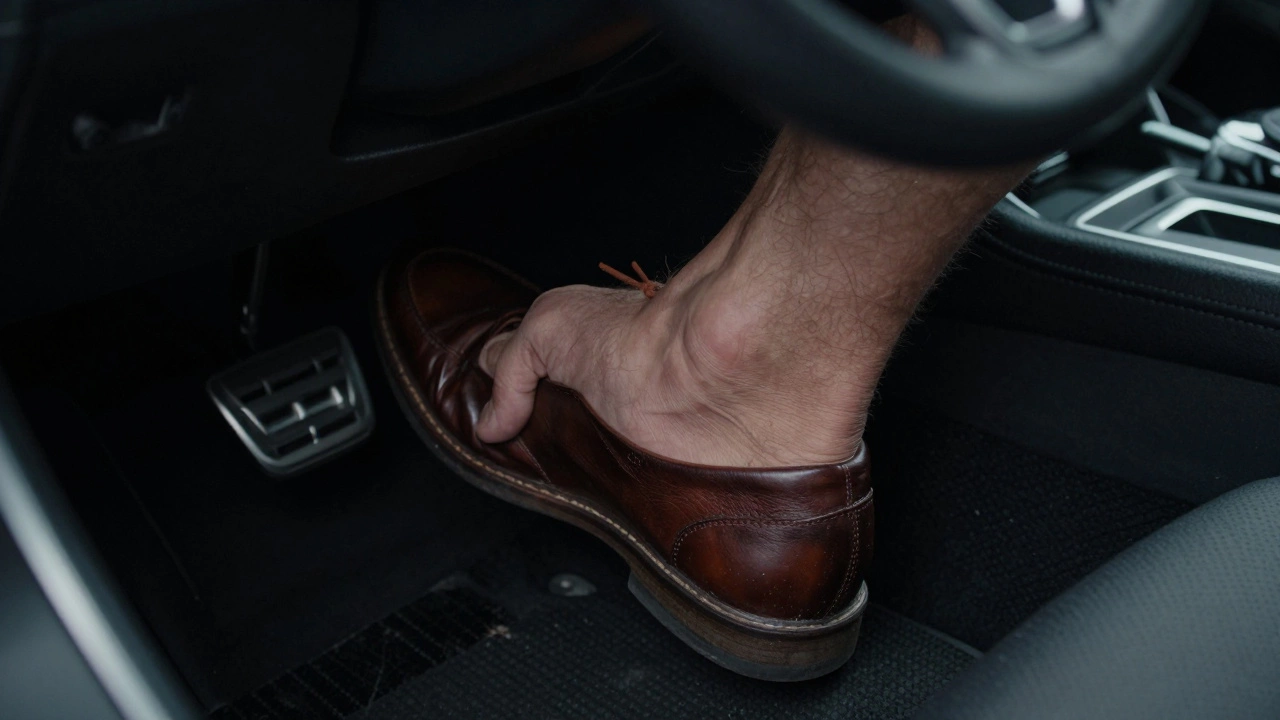
- The Pedal Feel: Soft, spongy, or unusually high engagement points.
- The Smell: A pungent, burnt-toast odor after heavy use.
- The Noise: Unusual rattling or squealing when the pedal is pressed or released.
- The Shifting: Difficulty slotting into gear, especially first and reverse.
The High-Gear Slip Test
The most reliable way to test your clutch without taking the engine apart is the high-gear slip test. This checks if the friction disc is still gripping the flywheel tightly enough to transfer power. To do this safely, find a flat road where you have plenty of space. Accelerate to about 30-40 mph and shift into your highest gear (usually 4th or 5th). While keeping the accelerator steady, gently apply pressure to the clutch pedal-just enough to feel it start to engage-without pushing it all the way down.
If the engine RPMs jump up quickly while the car's speed remains the same or drops, your clutch is slipping. A healthy clutch shouldn't show any sudden surge in RPMs until the pedal is nearly fully depressed. If you notice the needle on the tachometer climbing while you're barely touching the pedal, the friction material on your disc is likely worn down to the rivets, and you're looking at a full replacement soon.
Checking the Engagement Point
Where does your clutch "bite"? The engagement point is the height at which the car starts to move when you release the pedal. In a fresh Clutch Kit, this point is usually in the middle of the pedal travel. As the disc wears down, the pressure plate has to travel further to make contact, pushing the bite point higher and higher.
If you find that you have to let the pedal almost entirely out before the car moves, you're dealing with a "high clutch." While not immediately catastrophic, it's a clear signal that the disc is thin. This often leads to "clutch chatter," where the car shudders or vibrates as you pull away from a stop. This happens because the worn surface of the disc isn't grabbing the flywheel smoothly.
| Symptom | Likely Cause | Urgency |
|---|---|---|
| RPMs rise, speed doesn't | Worn Friction Disc | High - Replace Soon |
| Spongy or Low Pedal | Air in Hydraulic Line / Leak | Medium - Bleed System |
| Grinding when shifting | Worn Synchronizers / Poor Disengagement | Medium - Check Fluid |
| Burning smell after hill start | Overheated Friction Material | High - Avoid Slipping |
| Rattle when pedal is released | Worn Release Bearing | Low/Medium - Monitor |
The Hydraulic and Cable Inspection
Not every clutch problem is about the friction disc. Sometimes the issue lies in how the pedal actually moves the mechanism. In older cars, a Clutch Cable might stretch or fray, making the pedal feel loose. In most modern cars, we use a hydraulic system involving a master cylinder and a slave cylinder.
Check your clutch fluid reservoir. If the fluid is low or looks like dark coffee, you might have a leak in the Hydraulic Clutch system. Air bubbles in the line create that "spongy" feeling where the pedal sinks to the floor without actually disengaging the engine. If you can't get into gear without pumping the pedal a few times, your hydraulics are failing, even if the clutch disc itself is perfectly fine.
Listening for the Throw-out Bearing
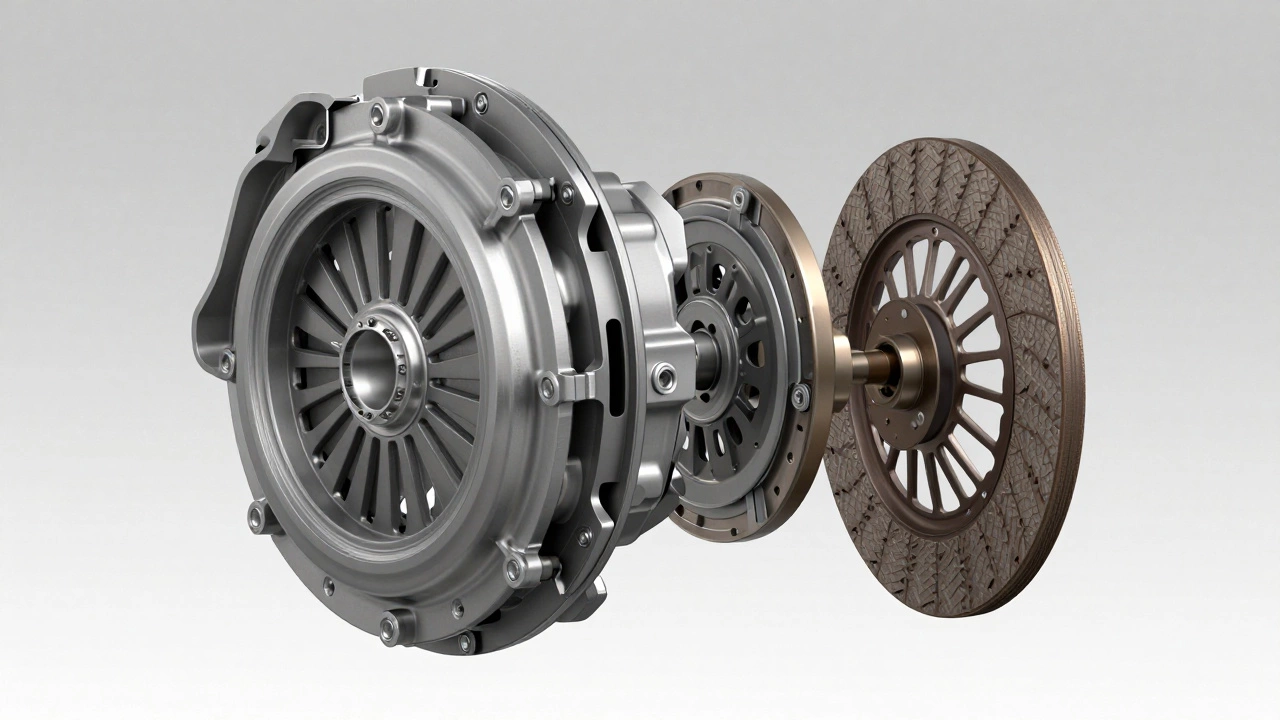
Your ears are one of the best diagnostic tools you have. The Throw-out Bearing (or release bearing) is the part that pushes the pressure plate to release the clutch. When this bearing wears out, it usually starts making a distinct noise.
Start the car and keep the clutch pedal released. Now, slowly press the pedal down. Do you hear a chirping, whistling, or grinding sound that disappears the moment you let go? That's a classic sign of a failing release bearing. Since this part is buried deep inside the bell housing, you can't just replace the bearing alone-you'll need to install a complete kit including the pressure plate and disc to avoid doing the job twice in six months.
The "Smell Test" and Heat Management
Ever sat at a stoplight on a hill and let the clutch slide just a bit too much to keep from rolling back? If you smell something that reminds you of burnt rubber or acrid chemicals, you've just glazed your clutch. This happens when the friction material overheats, creating a hard, glassy surface that doesn't grip well.
If this happens occasionally, your car might recover. But if the smell lingers or occurs during normal flat-road driving, the material is likely gone. Glazed clutches often lead to a vicious cycle: the clutch slips more, which creates more heat, which causes more slipping, until the disc completely fails and you're stuck in neutral while the engine revs.
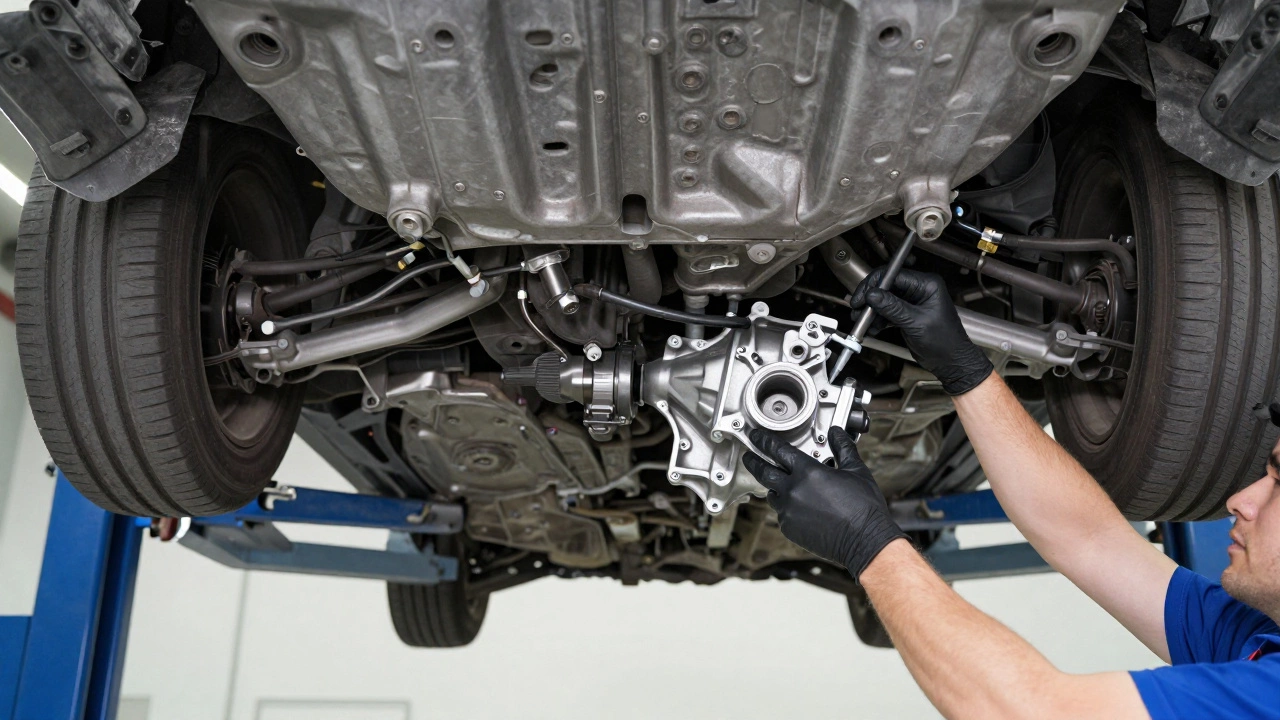
When to Call the Mechanic
If you've failed the high-gear slip test or your pedal is practically hitting the floor, it's time to stop guessing. A failing clutch doesn't just make the car slow; it can damage the Flywheel. If the disc wears down to the metal rivets, those rivets can score deep grooves into the flywheel. If that happens, you can't just swap the kit; you'll have to pay for a flywheel resurfacing or a total replacement, which adds a significant chunk to the repair bill.
When shopping for a replacement, don't just go for the cheapest option. Look for a kit that matches your driving style. If you tow trailers or drive in heavy city traffic, an upgraded heavy-duty kit might be worth the extra cost to prevent premature wear.
Can I fix a slipping clutch without replacing the whole kit?
Generally, no. Once the friction material on the disc is worn or glazed, it cannot be "repaired." While some people try to adjust the cable on old cars, it's usually just a band-aid. Replacing the entire clutch kit (disc, pressure plate, and release bearing) is the only permanent fix and ensures all components wear evenly.
Why is my clutch pedal so hard to press?
A stiff pedal usually points to a problem with the pressure plate springs or a lack of lubrication on the pivot points. In some cases, it could be a failing master cylinder. If the pedal feels significantly heavier than it used to, it's worth having a professional check the linkage.
How long does a typical clutch kit last?
Depending on your driving habits, a clutch can last anywhere from 30,000 to 100,000 miles. City drivers who shift constantly and "ride the clutch" (keeping the pedal partially depressed) will wear theirs out much faster than highway drivers. Avoiding the habit of resting your foot on the pedal can double the life of your clutch.
What is the difference between a single-plate and dual-mass flywheel?
A single-plate flywheel is a solid piece of metal. A dual-mass flywheel has internal springs designed to dampen the vibrations from the engine, making the ride smoother and reducing wear on the transmission. Dual-mass flywheels are more common in modern diesel and high-torque engines but are more expensive to replace.
Does changing the clutch fluid help a slipping clutch?
Changing the fluid will help if the problem is a "spongy" pedal or poor disengagement (difficulty shifting gears). However, it will NOT stop a clutch from slipping. Slipping is a mechanical wear issue with the friction disc, and no amount of hydraulic fluid can put that material back on the disc.
Next Steps and Troubleshooting
If your tests suggest the clutch is failing, your next move depends on the severity. If the pedal is just a bit high but the car still grips, you can likely drive for another few hundred miles, but avoid steep hills and heavy loads. If the car is slipping in 3rd gear or higher, you're in the danger zone-get it to a shop immediately to avoid damaging the flywheel.
For those doing their own work, always check the pilot bearing and the input shaft of the transmission while the clutch is out. It's a five-minute check that can save you from having to pull the whole transmission out again a month later because of a fifty-cent bearing failure.