Suspension Selector Tool
Find Your Perfect Suspension Upgrade
Answer a few questions about your vehicle and driving conditions to get personalized recommendations for the best suspension upgrade.
Driving over potholes, gravel tracks, or uneven farm roads shouldn’t feel like you’re in a washing machine. If your car bounces, clunks, or feels like it’s about to fall apart on rough surfaces, your suspension isn’t keeping up. The best suspension for bumpy roads isn’t about being the stiffest or the cheapest-it’s about balance. It needs to absorb hits without making the ride unbearable, hold the tires on the ground, and still let you steer with confidence. So what actually works? And what’s just marketing hype?
What Makes a Suspension Good for Bumpy Roads?
Not all shocks and struts are made the same. A suspension system has three main jobs: comfort, control, and durability. On smooth roads, you might not notice the difference between a basic and a premium setup. But on broken tarmac, dirt tracks, or mountain passes, the gaps show up fast.
Good suspension for rough terrain needs:
- Longer travel to let the wheels move up and down without bottoming out
- Adjustable damping to handle different speeds and surface types
- Sturdy components that don’t wear out after a few thousand miles
- Tires that match the suspension-no point in upgrading shocks if you’re on worn, low-profile tires
Most factory suspensions are tuned for highway comfort and fuel efficiency, not off-road abuse. That’s why drivers who regularly hit rough roads often swap out stock parts for something more capable.
Top Suspension Types for Rough Roads
There are three main types of suspension upgrades that actually make a difference on bumpy surfaces.
1. Performance Shock Absorbers (Monotube)
Monotube shocks are the go-to upgrade for serious rough-road driving. Unlike the older twin-tube design, they use a single cylinder with high-pressure gas to keep the oil from foaming under heavy use. That means they don’t fade when you’re hitting one bump after another.
Brands like Bilstein B8 and Fox 2.0 are popular for a reason. They’re built for constant abuse. In tests by Off-Road Magazine, Bilstein B8s reduced body bounce by 40% compared to OEM shocks on gravel roads at 50 km/h. They’re not cheap-around £200-£300 per pair-but they last 2-3 times longer than standard shocks.
2. Lift Kits with Heavy-Duty Springs
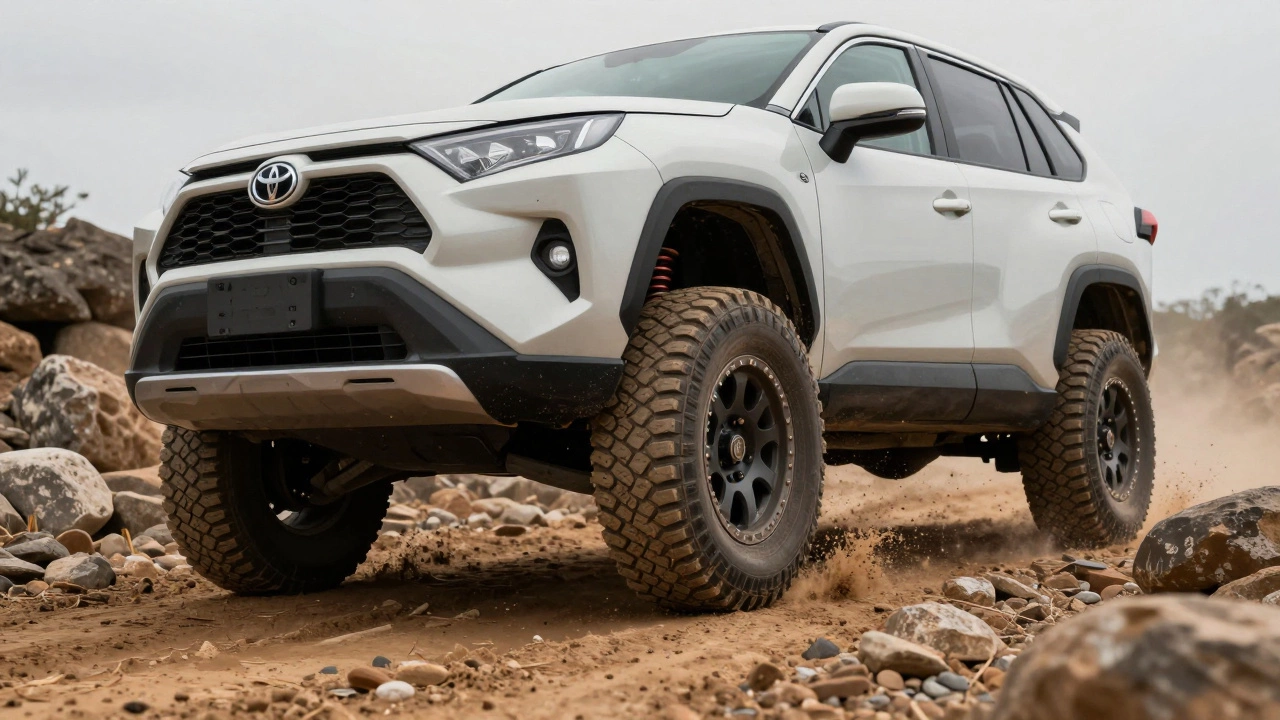
If your car scrapes on speed bumps or gets hung up on rocks, you need more ground clearance. Lift kits don’t just raise the ride height-they often come with stronger coil springs or leaf springs that can handle heavier loads and bigger impacts.
For SUVs and trucks, a 1.5-2 inch lift with reinforced springs from brands like Rancho or King makes a huge difference. But be careful: lifting a small hatchback without upgrading the shocks will make the ride worse. Always pair lift kits with matching shocks.
3. Coilover Suspensions (Adjustable)
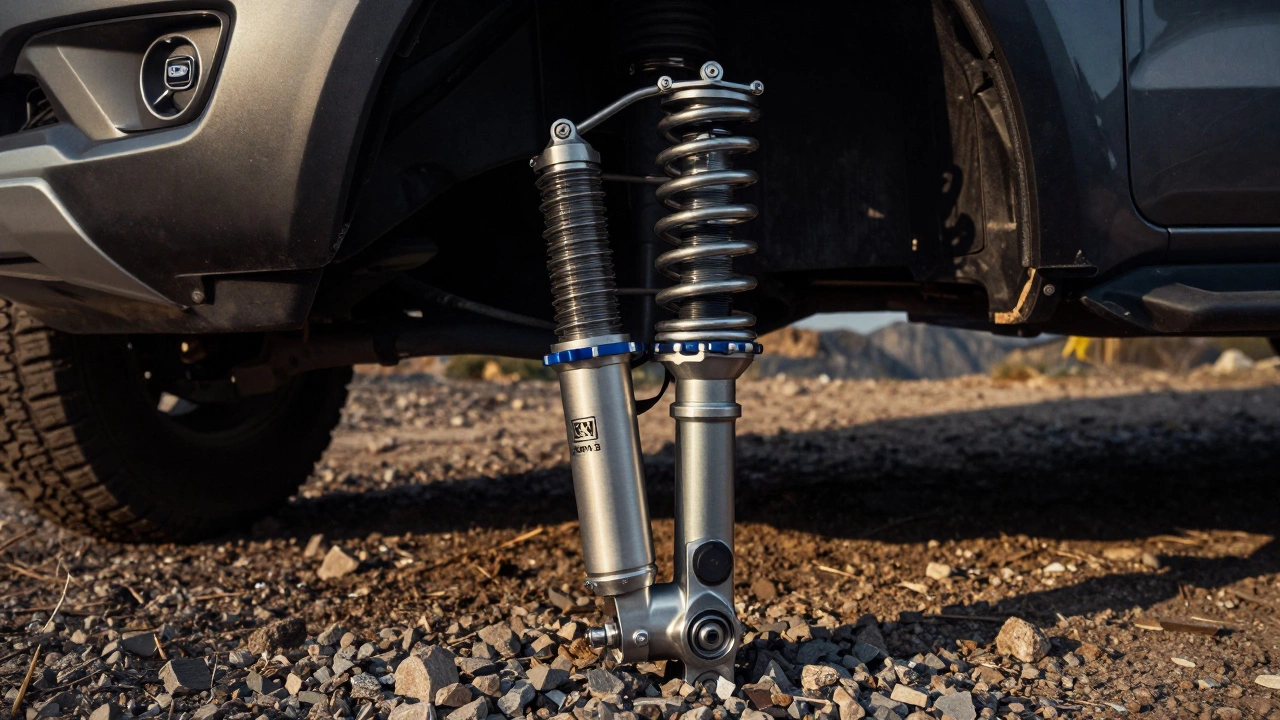
Coilovers combine a spring and shock in one unit, with adjustable ride height and damping. They’re common on performance cars, but they’re also great for rough roads if you pick the right ones.
Look for coilovers with external reservoirs and multiple compression settings. Brands like KW Suspension and TEIN offer models that let you soften the ride for daily driving and stiffen it for off-road sections. They’re pricier-£800-£1,500 for a full set-but you get fine control over how your car handles every bump.
What to Avoid
Not every upgrade is worth the money. Here’s what doesn’t work for bumpy roads:
- Lowering springs-they reduce ground clearance and make the ride harsher
- Stiff sport shocks-they’re tuned for track use, not potholes
- Used OEM parts from wrecked cars-they’re worn out and unsafe
- Generic no-name shocks-they often leak or fail within 10,000 miles
One driver in Cornwall replaced his stock shocks with a £60 set from a discount auto store. After three months, they were leaking fluid and the car was bouncing over every crack in the road. He ended up spending £500 on proper Bilsteins and regretted not doing it right the first time.
How to Choose the Right Setup for Your Car
There’s no one-size-fits-all solution. Your choice depends on:
- Vehicle type-SUVs and pickups handle lifts better than sedans
- Typical road conditions-gravel? Mud? Urban potholes? Each needs different tuning
- Driving style-do you want comfort, control, or both?
- Budget-you don’t need a race-spec setup for a weekly farm run
Here’s a simple guide:
| Vehicle Type | Best for Bumpy Roads | Average Cost | Best For |
|---|---|---|---|
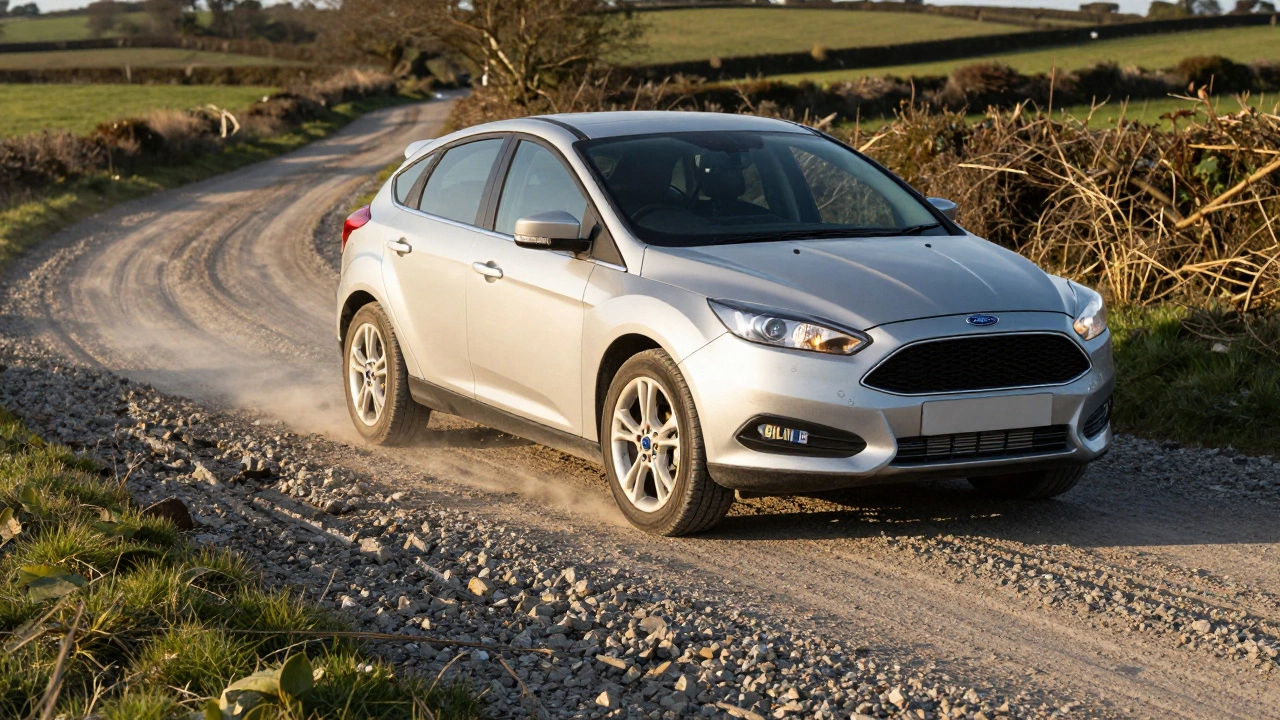
| Compact car (e.g., Ford Focus) | Performance monotube shocks (Bilstein B8) | £200-£300 | Urban potholes, rural lanes |
| SUV (e.g., Toyota RAV4) | Lift kit + heavy-duty shocks (Rancho RS5000) | £600-£900 | Gravel, dirt tracks, light off-roading |
| Truck (e.g., Ford Ranger) | Coilovers with external reservoir (KW Variant 3) | £1,000-£1,500 | Heavy loads, rocky terrain, towing |
| Older 4x4 (e.g., Land Rover Defender) | Heavy-duty leaf springs + gas shocks | £800-£1,200 | Extreme off-road, farm use |
Don’t just copy what someone else did. Your driving habits matter more than the brand name.
Installation and Maintenance Tips
Even the best suspension won’t help if it’s installed wrong or ignored.
- Always get a wheel alignment after installing new shocks or springs-misalignment causes uneven tire wear and poor handling
- Check for leaks every 6 months-dripping fluid means it’s time for a replacement
- Inspect bushings and mounts-worn rubber parts make even good shocks feel sloppy
- Replace shocks in pairs (front or rear), never just one
- Keep tires properly inflated-under-inflated tires can’t help suspension absorb shocks
Most quality shocks last 50,000-80,000 miles. If you’re driving on rough roads daily, expect to replace them closer to 50,000. Keep receipts and note the mileage when you install them.
Real-World Example: A Bristol Driver’s Upgrade
One resident near the Avon Gorge drives a 2019 Honda CR-V. The road to his village is full of deep ruts and loose stones. After two years, his stock shocks were shot. He tried a cheap replacement-same problem. Then he swapped them for Bilstein B8s and added a set of all-terrain tires.
Result? No more bottoming out on speed bumps. The car feels planted on gravel. He still gets decent fuel economy. And he hasn’t had to touch the suspension since-three years later.
He didn’t need a lift kit or coilovers. He just needed the right shocks.
Final Advice: Don’t Overthink It
The best suspension for bumpy roads isn’t the most expensive or the flashiest. It’s the one that matches your driving needs and lasts. For most people, upgrading to monotube shocks like Bilstein or Fox is the smartest move. It’s affordable, reliable, and makes a noticeable difference.
If you’re hauling gear, driving off-road often, or towing, then coilovers or a lift kit make sense. But if you’re just trying to survive the local potholes, a good set of shocks is all you need.
And always, always pair your suspension upgrade with good tires. No suspension can fix bad rubber.
Are aftermarket shocks worth the cost?
Yes, if you drive on rough roads regularly. Factory shocks are designed for comfort and cost, not durability. Aftermarket shocks like Bilstein or Fox last longer, handle bumps better, and improve control. For most drivers, the upgrade pays for itself in fewer repairs and better safety.
Can I install new suspension myself?
You can if you have basic tools and experience with car repairs. Replacing shocks is doable for a DIYer, but it requires spring compressors for coil springs and proper torque specs. If you’re unsure, get a professional to do it. Wrong installation can lead to dangerous handling or component failure.
Do I need to replace struts and shocks at the same time?
You should replace them in pairs-front or rear-to keep the ride balanced. If one side is worn, the other is close behind. Mixing old and new parts causes uneven handling and premature wear on tires and other components.
Will upgrading suspension improve fuel economy?
Not directly. But better suspension keeps tires in better contact with the road, reducing rolling resistance over rough surfaces. Some drivers report a 2-4% improvement in fuel efficiency after upgrading, mainly because the car isn’t wasting energy bouncing around.
How do I know if my suspension is worn out?
Look for these signs: excessive bouncing after hitting a bump, uneven tire wear, nose-diving when braking, clunking noises over bumps, or visible oil leaks on the shocks. If your car feels loose or wallows on corners, it’s time for an inspection.
Next Steps
If your car feels like it’s fighting every bump, start with an inspection. Check your shocks for leaks and wear. Measure your ride height-lower than factory specs? That’s a red flag. Then decide: do you need a simple shock upgrade, or are you ready for a full system overhaul?
Don’t rush into expensive upgrades. Test drive a car with the suspension you’re considering. Talk to owners who drive similar roads. And remember-good suspension isn’t about speed. It’s about control, safety, and actually enjoying the drive, no matter how rough the road gets.