Brake Pad Lifespan Estimator
Enter your driving details below to get a personalized estimate of how long your current brake pads should last.
There is no single number that applies to every car. If you drive a heavy SUV in hilly terrain versus a small hatchback on flat city streets, your brake pads are friction materials designed to slow vehicles by converting kinetic energy into heat will wear at completely different rates. However, for most drivers in the UK, the sweet spot for replacement usually lands between 25,000 and 75,000 miles. Ignoring this window doesn't just mean squeaky noises; it risks damaging your rotors, which costs significantly more to fix than the pads themselves.
The Three Factors That Dictate Your Brake Life
To understand when *your* specific car needs attention, you have to look at three variables: driving style, vehicle weight, and pad material. These elements interact in ways that make a "one-size-fits-all" mileage rule impossible.
- Driving Style: City driving actually wears pads faster than highway cruising. Why? Because stop-start traffic requires frequent, short braking events. This generates high-frequency heat cycles that fatigue the friction material quicker than long, steady decelerations on a motorway.
- Vehicle Weight: Heavier cars require more force to stop. A fully loaded estate or an electric vehicle (which often weighs over 2 tons) puts extra stress on the braking system compared to a lightweight compact car.
- Pad Material: Most modern cars use semi-metallic or ceramic pads. Ceramic pads tend to last longer and produce less dust but cost more upfront. Semi-metallic pads are cheaper and handle heat well but can be noisier and wear slightly faster.
If you live in Bristol, you might notice that driving around the steep hills near Clifton or through the congestion of the city center accelerates wear compared to driving flat rural roads in the surrounding counties. Local conditions matter just as much as manufacturer guidelines.
Warning Signs You Can See and Hear
Your car has built-in indicators, but they don't always work perfectly. Relying solely on the dashboard warning light can be risky because some sensors fail before the pads do. Here is what to watch for during your daily drives:
- Squealing or High-Pitched Noise: Most pads have a small metal wear indicator tab. When the pad material wears down to this tab, it scrapes against the rotor, creating a high-pitched squeal. This is your first and best warning. It means you have roughly 1-2 mm of pad left.
- Grinding Sound: If you hear a grinding noise, the pad is gone, and the metal backing plate is rubbing directly against the rotor. Stop driving as soon as safe. This causes permanent scoring on the rotor surface.
- Longer Stopping Distances: If you feel like you need to press the pedal harder or further back than usual to get the same stopping power, the friction coefficient has dropped due to wear.
- Vibration in the Pedal: A pulsating feeling under your foot while braking often indicates warped rotors, which can happen if pads are ignored until they overheat severely.
- Dash Warning Light: The ABS or brake warning light may illuminate. While this can indicate other issues (like low fluid), it frequently signals that the pad thickness sensor has detected critical wear.
Mileage Benchmarks: What to Expect
While individual cases vary, here are realistic ranges based on common vehicle types and usage patterns in the UK market. Use these as a baseline, not a guarantee.
| Vehicle Type / Usage | Typical Lifespan (Miles) | Key Reason |
|---|---|---|
| City Hatchback (Frequent Stops) | 25,000 - 40,000 | High frequency of thermal cycling from stop-start traffic |
| Suburban Commuter (Mixed Driving) | 40,000 - 60,000 | Balanced mix of gentle braking and occasional hard stops |
| Highway Cruiser (Steady Speeds) | 60,000 - 80,000+ | Rare braking events allow pads to cool and last longer |
| Heavy SUV / Electric Vehicle | 30,000 - 50,000 | Higher vehicle mass increases mechanical load on friction material |
Note that these figures assume standard semi-metallic pads. If you have upgraded to premium ceramic pads, add roughly 10-15% to these estimates. Conversely, aggressive driving styles can cut the lifespan in half.

How to Check Your Pads Without Tools
You don't need to jack up the car to get a rough idea of your pad health. Modern alloy wheels often have a small hole in the rim specifically designed for this purpose. Park on level ground, open the hood, and look through the wheel spokes toward the center of the wheel.
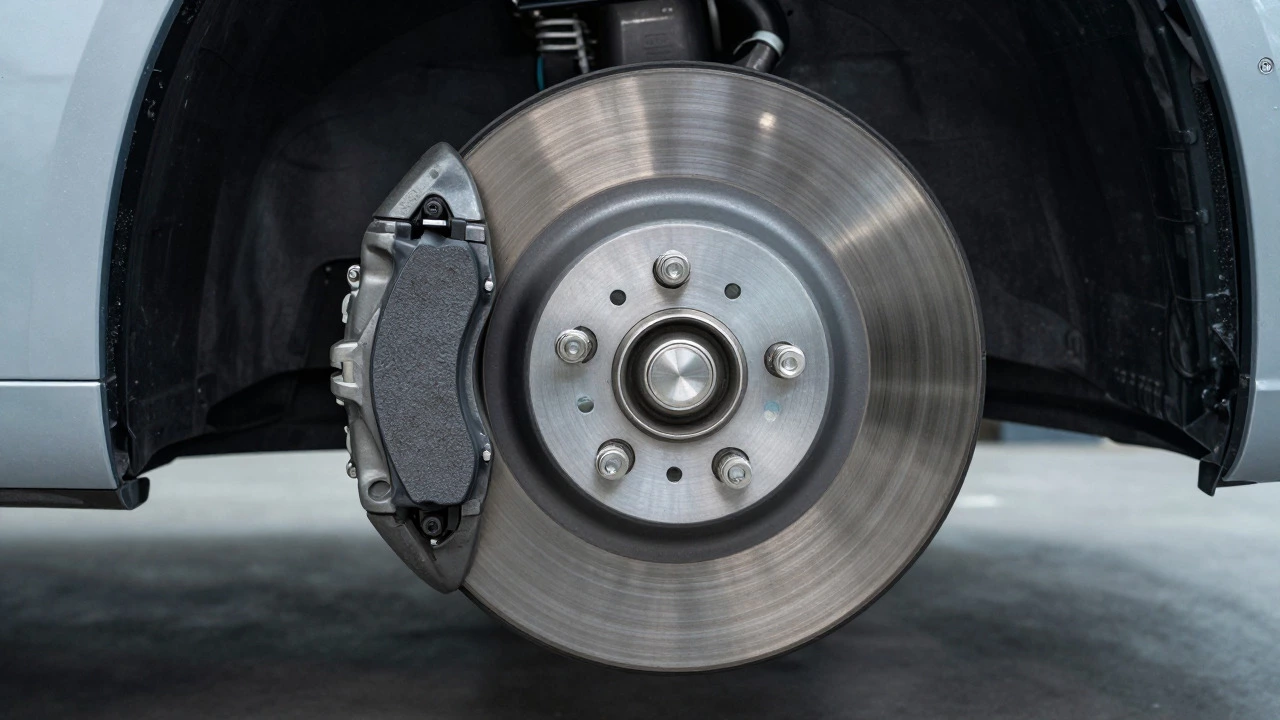
You should see the caliper assembly holding the rotor. The brake pad sits inside this clamp. Look for the dark grey friction material. If you can clearly see the metal backing plate behind the friction material, you are likely below the recommended minimum thickness. If the gap between the rotor and the pad looks thin (less than the width of a penny), it’s time to book an appointment. If you can’t see anything because the wheel design is closed-off, you’ll need a mechanic with a gauge to measure the exact thickness.
Common Myths About Brake Maintenance
Let's clear up a few misconceptions that lead to unnecessary repairs or dangerous delays.
- "If it doesn't squeak, it's fine." False. Some pads lack wear indicators, or the indicator might break off early. Always check visually or via service records.
- "You must replace all four pads at once." Not always. If one axle is wearing faster (common in front-wheel-drive cars where front pads take 70% of the braking force), you can replace just the front pair. However, replacing both sides of the same axle is recommended to maintain balanced braking performance.
- "New brakes need a long break-in period." Yes, but only about 200-300 miles. Avoid hard stops during this initial phase to ensure the new friction material bonds properly with the rotor surface.
Cost Considerations in the UK Market
Understanding the cost breakdown helps you avoid being overcharged. In 2026, prices have stabilized after recent supply chain adjustments, but labor remains the variable factor.
- Pads Only (DIY): £40 - £120 per set, depending on brand (budget vs. OEM).
- Labor (Independent Garage): £80 - £150 for a full axle replacement.
- Dealership Service: £250 - £450 for parts and labor combined.
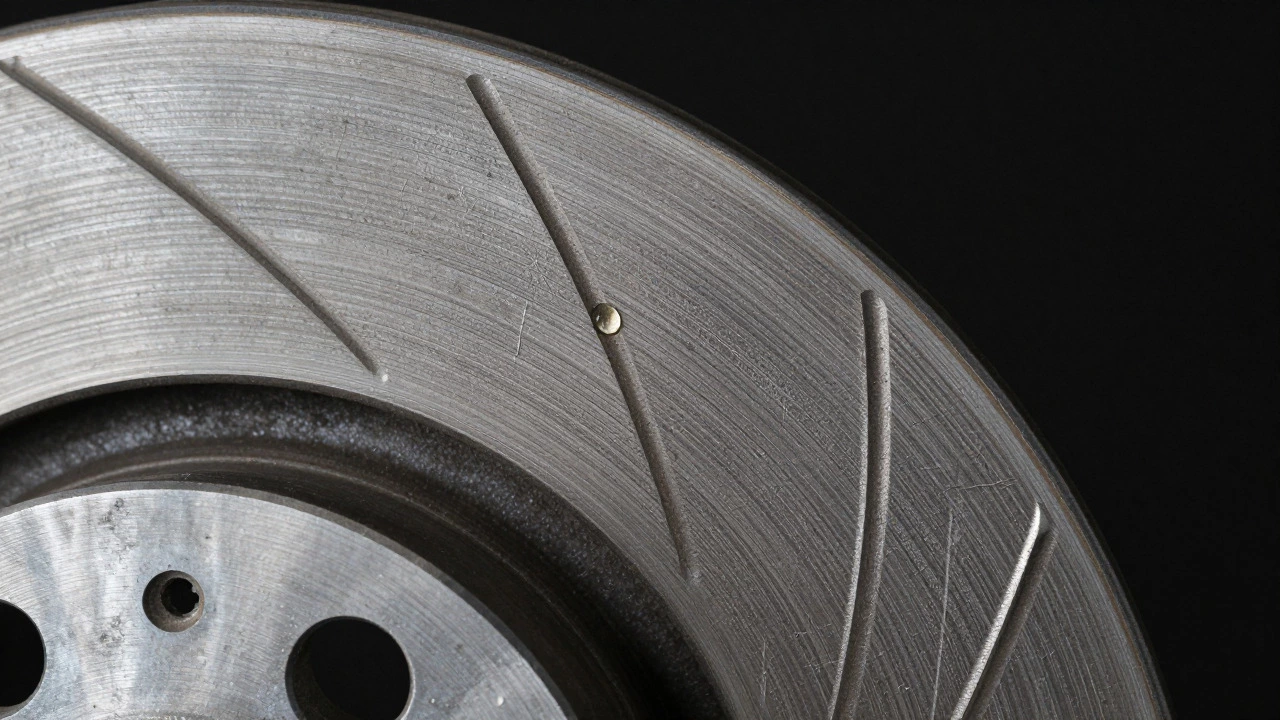
If you are approaching the 50,000-mile mark and haven't changed your pads since new, budget for the job. It is far cheaper than replacing rotors, which can add another £100-£200 per axle if they are scored or warped.
FAQ
Do I need to change brake pads every year?
No. For most drivers, annual replacement is excessive unless you drive very aggressively or cover extremely high mileage. A biennial check-up is usually sufficient for average users, with actual replacement occurring when wear indicators trigger or visual inspection shows thinning.
What happens if I drive too long with worn brake pads?
The metal backing plate contacts the rotor, causing deep grooves (scoring). This reduces braking efficiency permanently and requires rotor resurfacing or replacement. It also increases stopping distances, raising accident risk.
Are ceramic brake pads worth the extra cost?
For most daily drivers, yes. They last longer, produce less dust on wheels, and operate quieter. The higher upfront cost is offset by fewer replacements over the life of the vehicle.
How do I know if my brake pads are original or already replaced?
Check your vehicle's service history logbook. If there is no record of brake work, they are likely original. You can also inspect the pads; original pads on older cars will show significant wear, while new ones will look pristine. Mechanics can also check the wear indicator tabs for consistency.
Does weather affect brake pad lifespan?
Yes. Wet conditions can cause corrosion on the rotors and uneven pad wear if water gets trapped between the pad and rotor. Frequent rain in regions like the UK can slightly accelerate wear compared to dry climates, especially if the car is parked outside overnight.