Quick Summary of Radiator Lifespans
- Average Lifespan: Typically 10 to 15 years or 100,000 to 150,000 miles.
- Material Impact: Aluminum radiators are common today; copper-brass models are rarer but often more durable.
- Critical Factors: Coolant chemistry, driving habits (stop-and-go vs. highway), and road debris.
- Main Killer: Corrosion caused by using plain water instead of proper coolant.
The Core Components of Your Cooling System
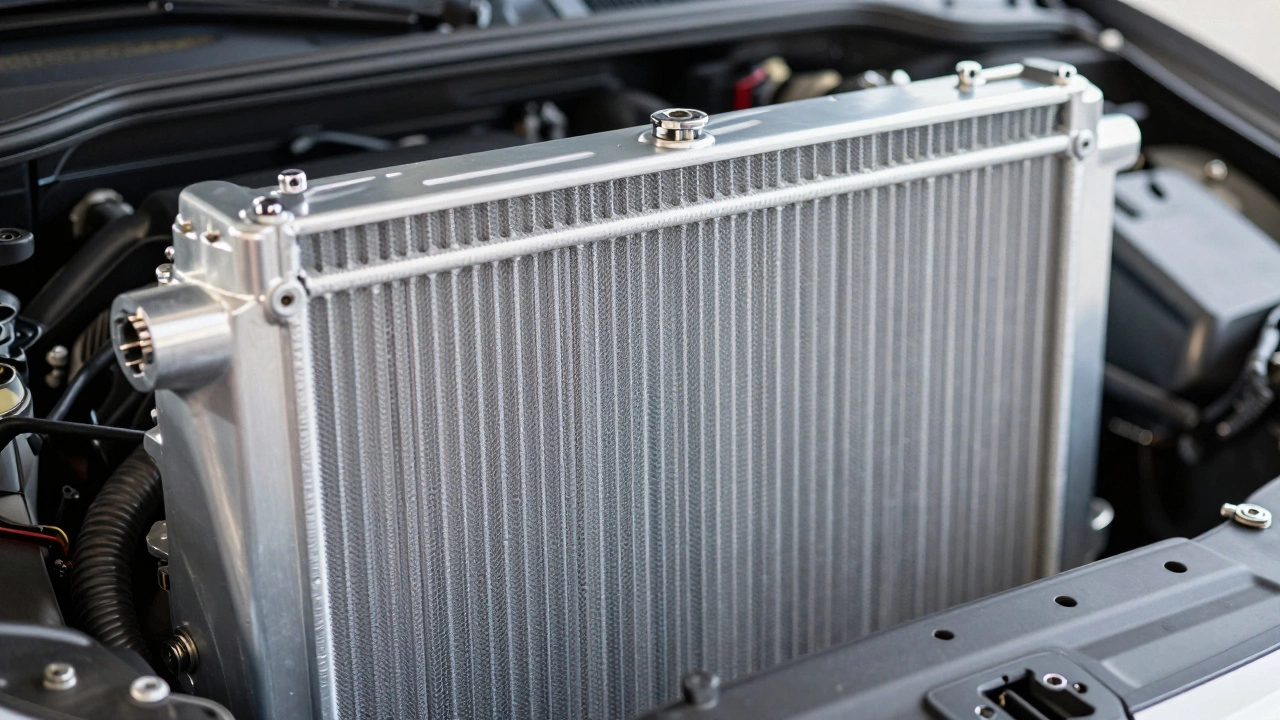
Before we talk about how long it lasts, we have to understand what we're dealing with. A car radiator is a heat exchanger designed to transfer heat from a liquid to the air. It consists of a series of small tubes and fins that maximize the surface area exposed to the wind.
The radiator doesn't work alone. It's part of a larger loop. The Water Pump pushes the Engine Coolant (a mix of ethylene glycol and water) through the engine block. Once the liquid absorbs the heat, it travels to the radiator, where it's cooled down before heading back into the engine. If any part of this chain fails-like a stuck Thermostat-the radiator takes the brunt of the pressure, which can shorten its life.
Aluminum vs. Copper: Which Lasts Longer?
If you're driving a car from the 1980s, you probably have a copper-brass radiator. If you bought your car in the last 20 years, it's almost certainly aluminum. This shift happened because aluminum is lighter and cheaper to manufacture, but it has different longevity characteristics.
Copper-brass radiators are generally more resistant to corrosion and can be repaired more easily by a professional. However, they are heavy and expensive. Aluminum radiators, while more prone to "pitting" or internal corrosion if the coolant isn't maintained, are incredibly efficient at shedding heat. In modern vehicles, the aluminum radiator is designed to last about 100,000 miles, provided you don't let the coolant turn into acidic sludge.
| Attribute | Aluminum Radiators | Copper-Brass Radiators |
|---|---|---|
| Average Life | 10-12 Years | 15-20 Years |
| Heat Dissipation | Very High | High |
| Weight | Lightweight | Heavy |
| Corrosion Risk | Moderate (needs additives) | Low |
What Actually Kills a Radiator?
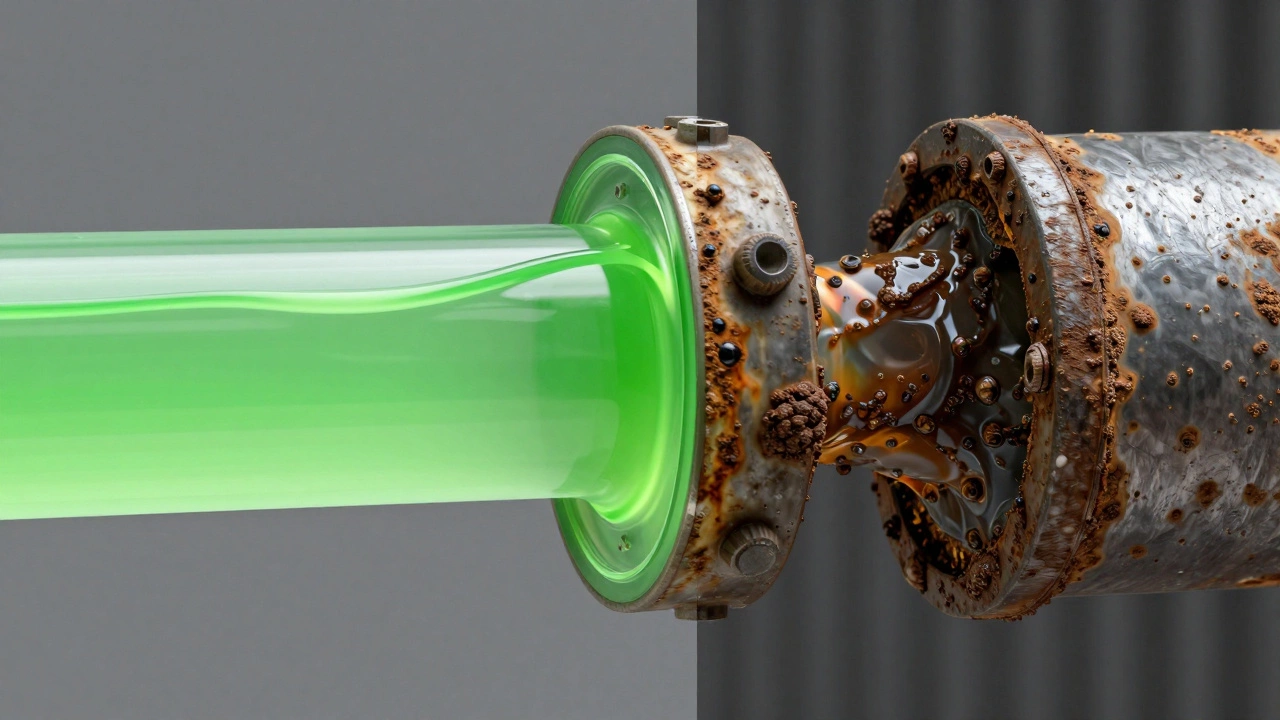
Radiators rarely just "stop working." They usually die due to a specific set of circumstances. The biggest enemy is electrolysis. When the coolant gets old, it loses its pH-balancing properties. The liquid becomes acidic and starts eating the metal from the inside out. This creates tiny pinholes-often too small to see until the pressure builds up and sprays a leak.
Then there's the physical damage. If you've ever driven through a swarm of bugs or a gravel road, you've likely dented your radiator fins. While a few bent fins won't kill the unit, a major impact can restrict airflow, forcing the Cooling Fan to work overtime. This extra heat stress can cause the plastic tanks (the side reservoirs of the radiator) to crack over time due to repeated heat expansion and contraction.
Using tap water instead of distilled water is another common mistake. Tap water contains minerals like calcium and magnesium. These minerals build up as "scale" inside the tubes, acting like a layer of insulation that prevents heat from escaping. Eventually, this scale blocks the flow entirely, and your engine overheats even if the radiator looks fine from the outside.
Warning Signs Your Radiator is Near the End
You don't have to wait for steam to pour out of your hood to know there's a problem. There are several subtle clues that your car radiator life expectancy is reaching its limit.
- The "Sweet" Smell: Engine coolant has a distinct, sugary scent. If you smell this after a drive, you have a leak.
- Rusty Coolant: Open your coolant reservoir (when the engine is cold!). If the liquid looks like muddy tea instead of bright green, pink, or orange, your radiator is corroding.
- Frequent Top-ups: If you're adding a quart of coolant every two weeks, you're not just "losing fluid"; you have a systemic leak.
- Temperature Fluctuations: If your gauge creeps toward the red zone during stop-and-go traffic but drops on the highway, your radiator might be partially clogged.
Pro Tips to Double the Life of Your Radiator
You can actually push a radiator well past its intended lifespan if you follow a few simple rules. First, stop using a "universal" coolant. Every manufacturer (Ford, Toyota, BMW) uses a specific chemical formula designed for the metals in their specific engine. Using the wrong one can cause the coolant to gel or eat through the gaskets.
Second, perform a full cooling system flush every 50,000 miles. A simple "drain and fill" only replaces about half the fluid; the old, acidic stuff stays trapped in the engine block. A professional flush uses a cleaning agent to strip out the scale and rust before adding fresh fluid.
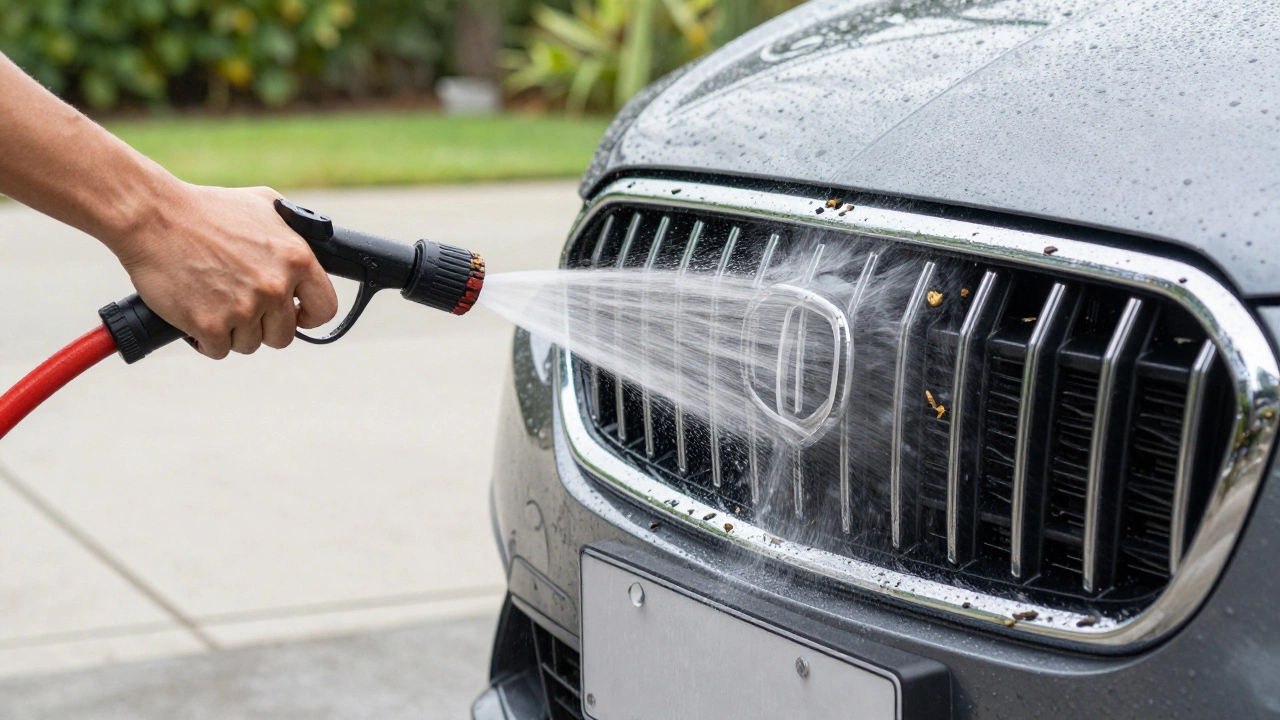
Third, keep the exterior clean. Use a low-pressure garden hose to spray out bugs and debris from the front of the radiator every spring. If the air can't get through the fins, the radiator has to work twice as hard to keep the engine cool, which wears out the seals and plastics faster.
When to Repair vs. Replace
If you find a leak, you might be tempted to use a "stop-leak" additive from an auto parts store. Be very careful here. These products work by sealing holes with a chemical sealant, but they often clog the tiny passages in the radiator and can eventually jam the Water Pump. Use them only as an emergency measure to get home.
If the leak is in a rubber hose, just replace the hose. It's a $20 fix. However, if the leak is coming from the plastic end tank of the radiator, it's time for a new unit. Those plastic parts cannot be reliably patched; once they crack, they will continue to split under pressure.
Can I just use water in my radiator?
In a pinch, yes, but never as a long-term solution. Plain water freezes at 32°F and boils at 212°F. Proper coolant raises the boiling point and lowers the freezing point, and more importantly, it contains corrosion inhibitors that prevent your radiator from rusting from the inside out.
Does a radiator ever "wear out" if it's not leaking?
Yes. Internal clogging (scale buildup) can happen even without a leak. If the internal passages become restricted, the radiator can no longer dissipate heat efficiently, leading to engine overheating even though the unit appears physically intact.
How do I know if my radiator is clogged?
A common sign is "cold spots." When the car is running and warm, a mechanic can carefully feel the surface of the radiator. If some areas are hot and others are cool, it means the coolant isn't flowing through certain tubes because they are blocked by debris or scale.
Why is my radiator leaking from the plastic side?
This is usually caused by "thermal cycling." As the engine heats and cools, the plastic expands and contracts. Over a decade, this makes the plastic brittle. If the cooling system was ever overheated, the increased pressure can cause these brittle seams to finally snap.
Is it worth buying an upgraded aluminum radiator?
For a daily driver, a standard OEM replacement is usually enough. However, if you do a lot of towing or live in an extremely hot climate, a high-performance aluminum radiator with thicker fins can provide better cooling and potentially a longer life under stress.
Next Steps for Car Owners
If your car is over 7 years old and you've never changed the coolant, start there. Check your owner's manual for the specific type of coolant required. If you see rust in the overflow tank, don't just top it off-get a professional flush. This simple step can be the difference between your radiator lasting another five years or failing during a summer road trip.