Cat in Exhaust Safety Protocol & Diagnostic Tool
Symptom Checker
Select the signs you are currently experiencing with your vehicle.
Diagnostic Result
Select symptoms above to begin.
The tool will assess risk levels and provide specific advice based on the article data.Recommended Action:
Safe Removal Protocol
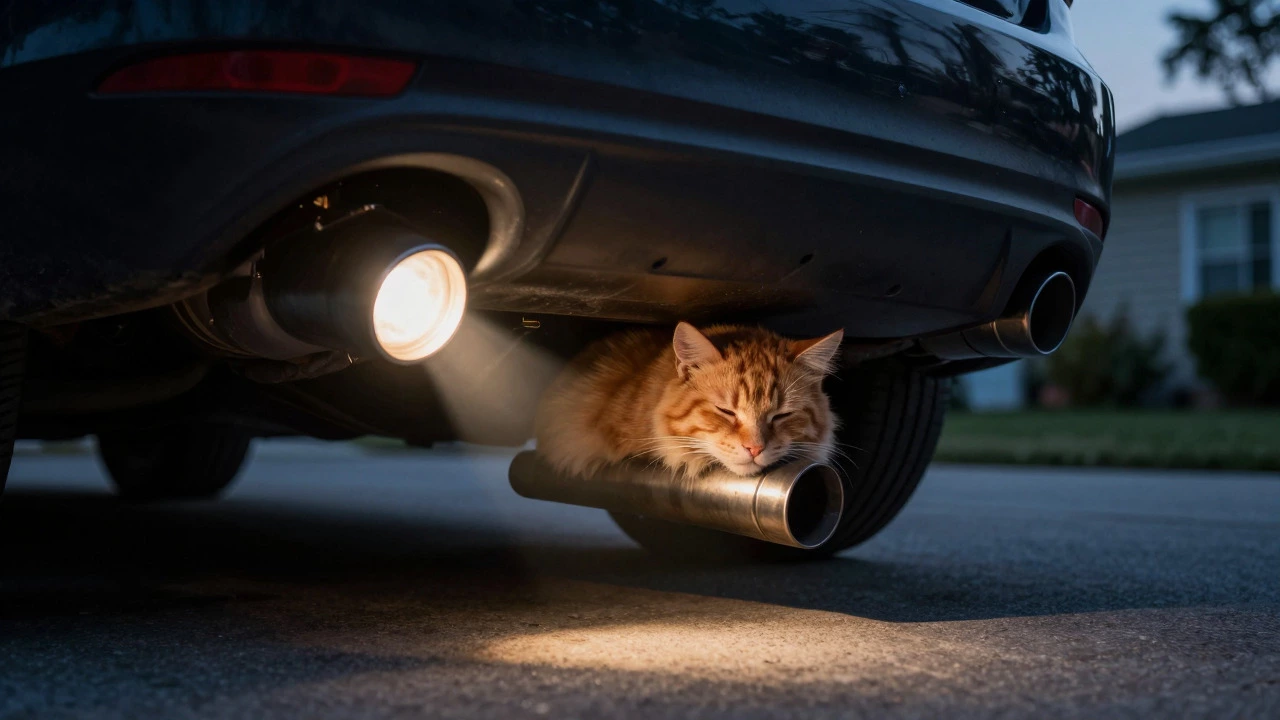
It happens more often than you’d like to admit. You turn the key, hear a strange rattling or thumping noise, and suddenly realize there is a furry intruder in your car’s back exhaust, which is the rear section of the vehicle's emission control system that expels gases after they pass through the catalytic converter and muffler. Cats are notorious for seeking out warm, enclosed spaces, and a hot exhaust pipe is basically an all-you-can-eat buffet for their comfort instincts. But while a sleeping kitty might seem harmless, leaving them there can lead to serious mechanical issues. The real question isn’t just whether you’ll find a cat; it’s whether finding one means your engine is already compromised.
The Immediate Risk: Is Your Engine Safe?
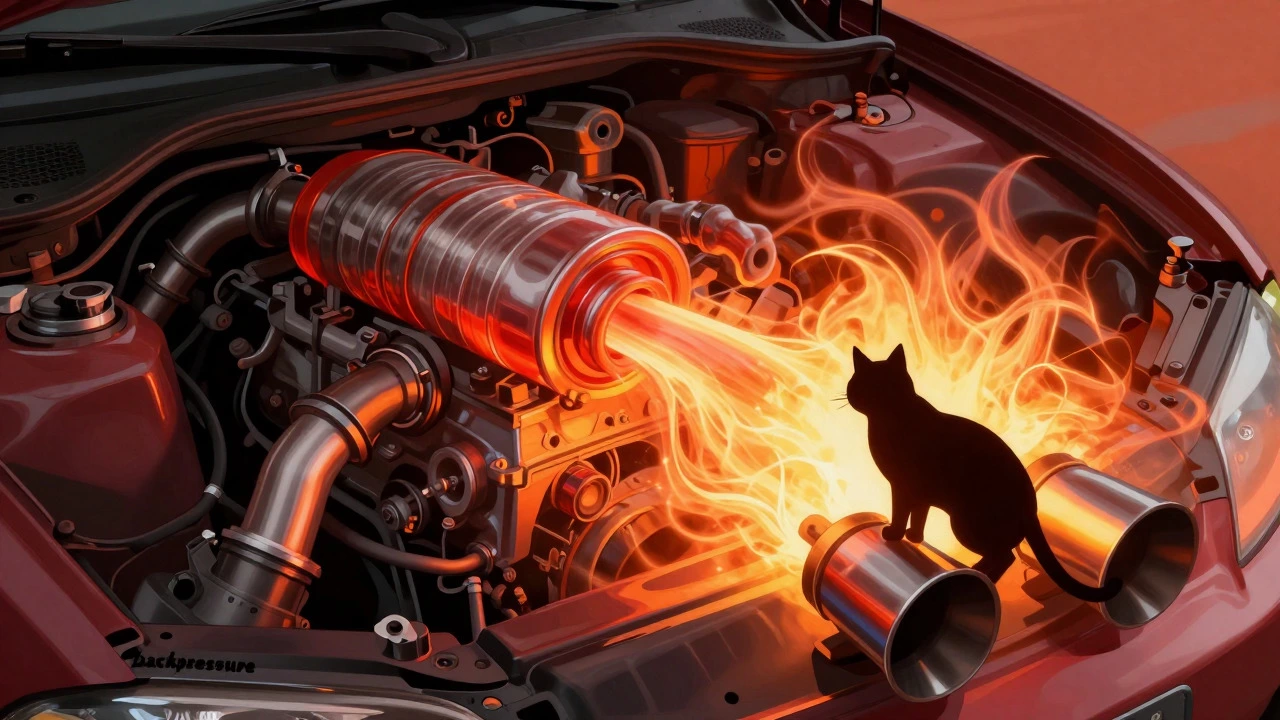
First things first: does a cat sitting in the tailpipe actually damage the engine directly? In most cases, no. The internal combustion engine is a machine that generates power by burning fuel inside cylinders, creating expanding gases that push pistons down operates upstream from where cats usually hide. The exhaust flow moves away from the engine, so a blockage at the very end doesn’t immediately choke the intake or cause hydrolock (which happens when liquid enters the cylinders). However, "no direct damage" doesn't mean "no consequences." If the blockage is severe enough, it creates backpressure that forces exhaust gases to work harder to escape. This inefficiency can lead to overheating, reduced performance, and in extreme cases, damage to components closer to the engine, like the catalytic converter, a device that reduces toxic emissions by converting harmful gases into less harmful pollutants using precious metals like platinum and palladium.
Think of it like trying to blow up a balloon with your thumb over the opening. Your lungs (the engine) aren’t broken, but the effort required increases dramatically. If you keep driving with a partially blocked exhaust, you’re stressing the entire system. The heat builds up because gases can’t dissipate quickly. Over time, this excess heat can warp metal parts or degrade seals. So, while the cat itself didn’t smash a piston, the resulting pressure change could have weakened other systems.
Signs You Have a Blockage
You don’t always see the cat before you start the car. Sometimes, the signs are subtle until they become loud. Here is what to look for if you suspect an obstruction:
- Loud Rattling or Thumping: This is the most obvious sign. As exhaust pulses hit the soft body of the animal, it creates a rhythmic knocking sound. If the cat moves, the sound changes pitch or location.
- Excessive Smoke: If the exhaust path is narrowed, unburned fuel and oil may leak past piston rings or valves, appearing as thick blue or black smoke from the tailpipe-or sometimes leaking under the car if the seal fails due to heat stress.
- Loss of Power: Your car feels sluggish. Acceleration is weak because the engine is fighting against the resistance created by the blockage. This is known as increased backpressure.
- Rough Idle: The engine may shake or stall when stopped because the exhaust gases cannot escape freely, causing uneven combustion cycles.
- Burning Smell: Aside from the distinct smell of a frightened animal, you might notice a sharper metallic odor if the exhaust system is overheating due to restricted flow.
If you experience any of these symptoms, do not ignore them. Even if the cat has moved on, the residual effects of the blockage-such as displaced insulation or minor dents-could still affect performance.
How to Remove a Cat from the Exhaust System
Removing a cat safely requires patience and caution. Never try to pull the cat out by force; this injures the animal and risks scratching your paint or damaging the exhaust tip. Follow these steps:
- Wait for Cool Down: Ensure the engine is completely cool. Touch the exhaust pipe carefully. If it’s hot, wait at least 30 minutes. A hot pipe will burn the cat’s paws and make it panic, leading to scratches or bites.
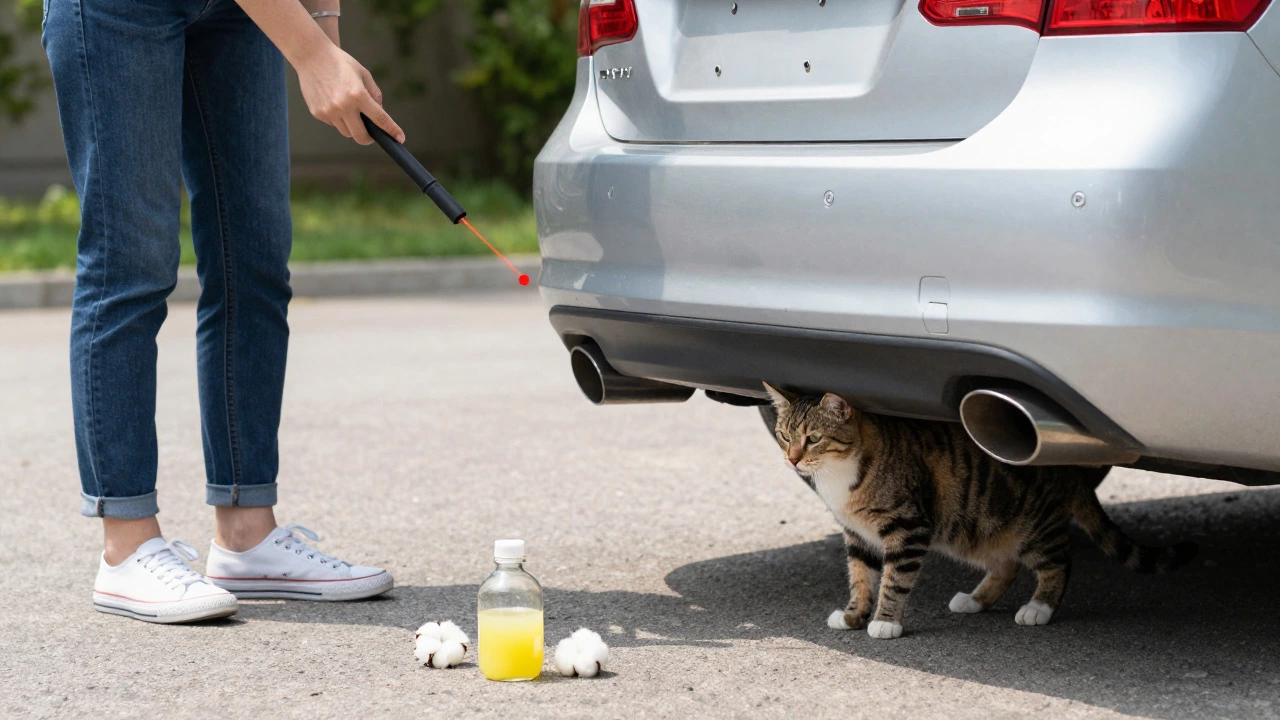
- Create Distraction: Use treats, toys, or a laser pointer near the tailpipe. Many cats will voluntarily exit if they sense a reward outside. Stand back and give them space.
- Use Sound Cues: Tap gently on the exhaust pipe with a rubber mallet or stick. The vibration often encourages the cat to move without startling them aggressively.
- Check for Entrapment: If the cat is stuck deep inside, do not dig blindly. Use a flashlight to locate them. If they are wedged tight, call a professional mechanic or animal rescue service. Forcing removal can tear the exhaust lining or crush the animal.
- Inspect After Removal: Once the cat is out, check the interior of the tailpipe with a mirror or phone camera. Look for fur, debris, or dents that might restrict airflow.
Pro Tip: Keep a small air horn or compressed air can in your trunk. A short burst of air (from a safe distance) can clear loose debris or encourage a hesitant cat to leave. Just ensure the area is clear of people and pets before using it.
Preventing Future Intrusions
Once you’ve dealt with the immediate crisis, prevention is key. Cats return to places that feel safe and warm. Here are effective strategies to keep them out:
| Method | Effectiveness | Cost | Pros | Cons |
|---|---|---|---|---|
| Physical Covers | High | Low | Blocks access completely | Must be removed before driving |
| Scent Repellents | Medium | Low | Easy to apply | Fades quickly; rain washes it away |
| Ultrasonic Devices | Variable | Medium | No physical barrier needed | Cats may habituate to sound |
| Parking Location | High | Free | Natural deterrent | Depends on available spots |
Physical Covers: Buy universal exhaust plugs or use old funnels/bottles (ensure they fit securely). These physically block entry. Remember to remove them before starting the engine!
Scent Repellents: Cats dislike citrus, vinegar, and mothballs. Place cotton balls soaked in lemon juice or vinegar near the tailpipe. Note: Mothballs contain naphthalene, which is toxic if ingested, so use sparingly and keep away from children.
Ultrasonic Repellents: Small battery-operated devices emit high-frequency sounds unpleasant to cats but silent to humans. Install them near parking spots.
Parking Strategy: Avoid parking in quiet, sheltered areas like garages or under dense bushes where cats feel safe. Open, busy streets are less appealing to feline explorers.
When to See a Mechanic
Even after removing the cat, monitor your car closely. If you notice persistent issues, consult a professional. Signs that warrant immediate attention include:
- Continued loss of power despite clear exhaust
- Check Engine Light illuminating (could indicate oxygen sensor failure due to heat stress)
- Visible cracks or holes in the exhaust system
- Unusual noises from the underside of the car
A mechanic can perform a backpressure test to ensure the exhaust flows freely. They can also inspect the muffler, a component designed to reduce noise from exhaust gases using internal chambers and baffles for internal damage caused by impact or heat warping.
Conclusion: Stay Vigilant, Drive Smart
A cat in your back exhaust is rarely a catastrophic event, but it’s never a trivial one. While the engine itself usually survives unscathed, the ripple effects-overheating, backpressure, and potential component stress-can add up. By acting quickly, removing the intruder safely, and implementing preventive measures, you protect both your vehicle and the local wildlife. Always check under your car before starting, especially in residential areas or during cooler months when cats seek warmth. Your peace of mind-and your wallet-will thank you.
Will a cat in the exhaust kill my engine?
Directly, no. The engine is upstream from the tailpipe. However, prolonged blockage causes backpressure, leading to overheating and potential damage to the catalytic converter or muffler. Immediate removal prevents secondary issues.
How long should I wait before starting my car if I think there's a cat?
Wait at least 5-10 minutes after turning off the engine to let it cool slightly. Then, visually inspect the tailpipe. If you hear movement, wait longer or use distraction techniques. Never start the car if you suspect an obstruction.
Can I use water to flush a cat out of the exhaust?
Not recommended. Water can shock the cat, causing it to panic and scratch the exhaust interior. It may also rust metal components. Use sound or scent distractions instead.
What are the best natural repellents for cats around cars?
Citrus peels, coffee grounds, and lavender sachets placed near the tailpipe are effective. Cats dislike strong scents. Replace them every few days or after rain.
Does a blocked exhaust trigger the Check Engine Light?
Yes. Severe blockage alters oxygen sensor readings and engine timing, often triggering the light. It may also store error codes related to misfires or lean/rich fuel mixtures.