Brake Pad Health & Lifespan Estimator
Input Vehicle Data
Enter your details to check brake health.
Your car is telling you something. Maybe it’s a high-pitched squeal when you tap the brakes, or perhaps the pedal feels softer than usual. These aren’t just annoyances; they are critical warnings from your vehicle’s most important safety system. Ignoring them can lead to expensive damage to your rotors or, worse, a failure to stop in an emergency.
Knowing exactly when brake pads need replacing saves you money and keeps you safe. You don’t need to be a mechanic to spot the trouble signs. By understanding what healthy brakes look like and sound like, you can catch wear early, avoid roadside emergencies, and plan your maintenance on your own schedule rather than a panic-induced rush.
The Audible Warning System: What Your Brakes Are Saying
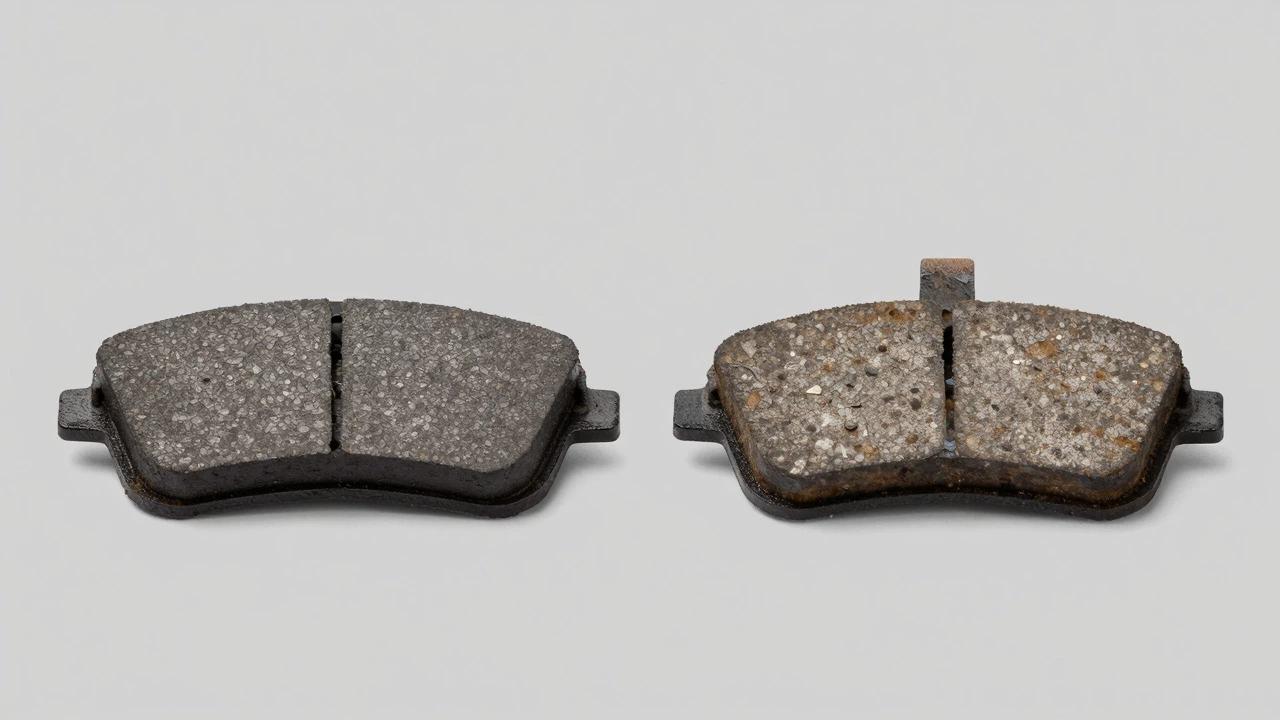
Cars have built-in warning systems for brake wear, but they only work if you listen to them. The first sign that your brake pads are nearing the end of their life is often auditory. Modern brake pads usually come with a small metal tab called a wear indicator. This tab is designed to touch the rotor once the friction material wears down to a specific thin point.
What does a squealing brake sound mean?
A consistent high-pitched squeal or screech when braking usually means the wear indicator is rubbing against the rotor. This is your car's way of saying "replace me soon." If you hear this, check your pads within 100-200 miles.
If you ignore the squeal, the sound might change to a grinding noise. This is a much more serious sign. Grinding means the metal backing plate of the brake pad is scraping directly against the metal rotor. At this stage, the friction material is completely gone. Continuing to drive will gouge deep grooves into your rotors, requiring you to replace both the pads and the rotors-a repair that can cost three times as much as just changing the pads.
Sometimes, you might hear a clicking sound when turning. This could indicate loose brake hardware or calipers, which is less about pad thickness and more about assembly integrity. However, any new noise from the wheel area warrants a quick inspection.
Physical Sensations: Feeling the Difference
Your feet and hands are sensitive tools for diagnosing brake health. Changes in how the brake pedal feels or how the steering wheel behaves can signal issues before you even see them visually.
If the brake pedal travels further toward the floorboard than it used to, your pads might be worn thin. As the friction material disappears, the caliper piston has to extend further out to clamp the pads against the rotor. In some cases, this extra travel feels like a "spongy" or soft pedal. While air in the brake lines or old fluid can cause sponginess, worn pads are a common culprit.
Vibration is another key indicator. If you feel a pulsating sensation in the brake pedal or a shudder in the steering wheel when you apply the brakes at highway speeds, your rotors may be warped. Warping often happens because the brake pads wore unevenly or the car overheated during heavy use. Even if the pads still have some material left, warped rotors require resurfacing or replacement, and new pads should always go on smooth rotors.
Pulling to one side is a different issue. If your car veers left or right when you brake, one side of the car might be stopping harder than the other. This could be due to a stuck caliper, a leaking brake hose, or uneven pad wear. A stuck caliper can also burn up brake fluid and overheat the wheel, creating a distinct burning smell.
Visual Inspection: Checking Thickness Yourself
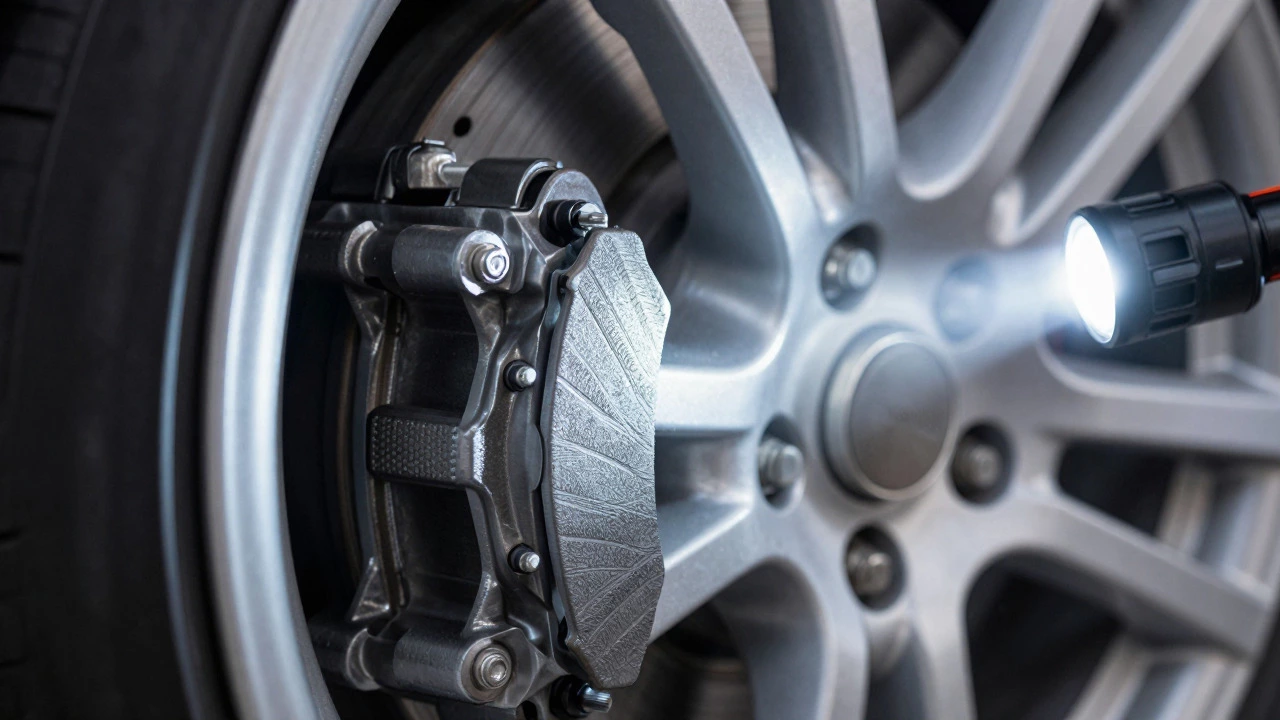
You can verify the condition of your brake pads without lifting the car off the ground. Most vehicles allow you to see the brake pads through the spokes of the alloy wheels. Grab a flashlight and look closely at the wheel assembly.
Focus on the area between the tire and the brake caliper. You should see the brake rotor (the shiny disc) and the brake pad sandwiched inside the caliper bracket. The friction material-the part that actually touches the rotor-should be visible. New brake pads typically have about 12 to 14 millimeters of friction material. As they wear, this layer gets thinner.
- Good Condition: The friction material looks thick, roughly half the width of the steel backing plate.
- Time to Order Parts: The material is about 3 to 4 millimeters thick. You have some driving left, but not much.
- Replace Immediately: The material is 3 millimeters or less. Many mechanics recommend replacing pads at 4mm to provide a safety buffer.
- Danger Zone: You can see the metal backing plate clearly, or there is no friction material visible between the pad and the rotor.
If your wheels have solid steel covers instead of open spokes, you’ll need to remove the wheel to get a clear view. This requires a jack and a lug wrench. It’s a straightforward task if you’ve changed a tire before, but if you’re unsure, a quick trip to a local shop for a visual check is worth the peace of mind.
Dashboard Warnings and Technology
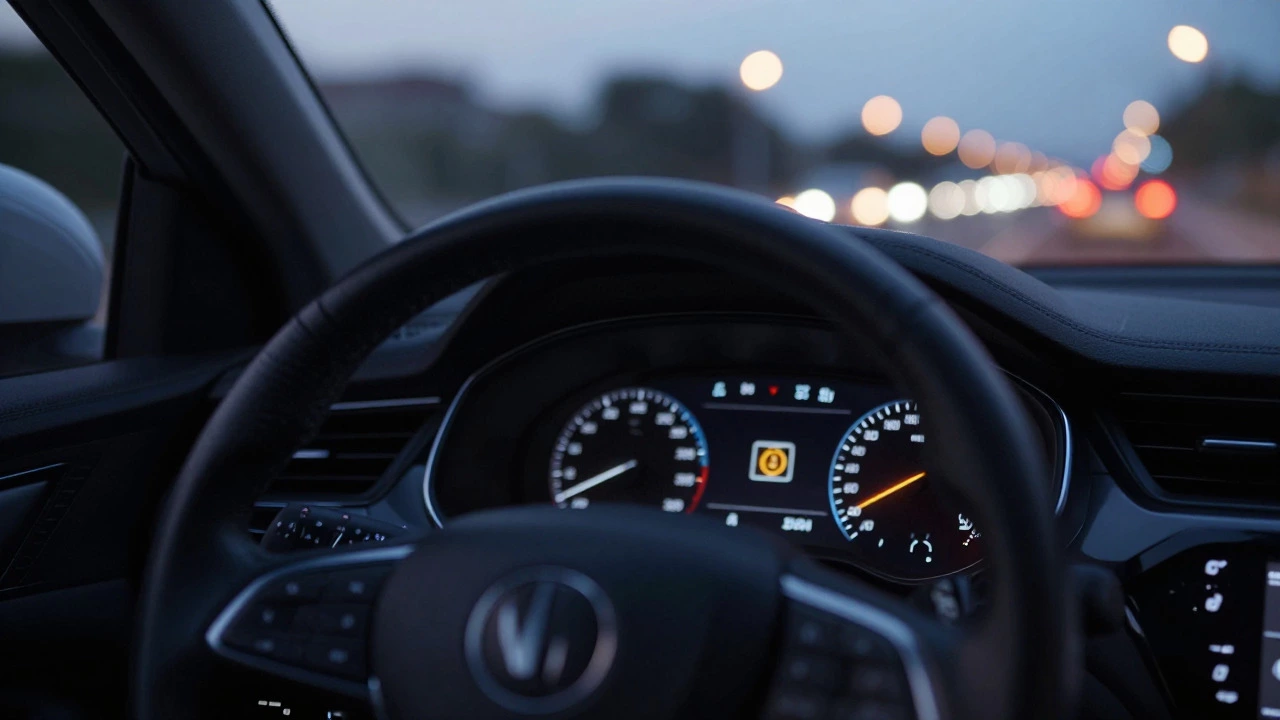
Newer vehicles, particularly those manufactured after 2015, often come equipped with electronic brake wear sensors. These sensors are embedded in the brake pad and complete an electrical circuit when the pad wears down to a critical level. When this happens, a warning light illuminates on your dashboard.
This light usually looks like a circle with parentheses around it, sometimes labeled "BRAKE" or "PADS." Consult your owner’s manual to confirm what the specific icon means. Unlike the audible squealer, which gives you advance notice, the dashboard light often means you are already at the minimum safe thickness. Treat this warning with urgency.
Some luxury brands and electric vehicles integrate brake wear data into their digital instrument clusters, showing you the exact percentage of remaining pad life. If your car has this feature, keep an eye on it during routine drives. Don’t wait for the battery to hit zero percent; plan the service appointment when it drops below 20%.
Mileage Guidelines and Driving Habits
While sounds and visuals are the most accurate indicators, mileage provides a general benchmark. On average, brake pads last between 30,000 and 70,000 miles. However, this range is heavily influenced by how and where you drive.
| Driving Environment | Estimated Lifespan | Key Factors |
|---|---|---|
| Highway Cruising | 60,000 - 80,000 miles | Minimal braking, steady speeds, cooler operating temperatures. |
| Suburban/Mixed | 40,000 - 60,000 miles | Regular stop-and-go traffic, moderate acceleration. |
| City/Traffic Heavy | 25,000 - 40,000 miles | Frequent stops, idling, low-speed maneuvering increases friction cycles. |
| Towing/Heavy Loads | 15,000 - 30,000 miles | Increased vehicle mass requires more force to stop, generating excessive heat. |
If you frequently carry heavy loads, tow trailers, or drive in hilly terrain, your brakes work much harder. Gravity pulls the vehicle downhill, requiring constant braking pressure to maintain speed. This generates intense heat, which accelerates wear and can glaze the brake pad surface, reducing effectiveness. In these scenarios, check your pads every 10,000 miles regardless of noise.
Aggressive driving habits also shorten pad life. Riding the brake (keeping your foot lightly on the pedal while coasting) creates constant friction and heat. Similarly, hard, sudden stops wear down material faster than gradual deceleration. Smooth, anticipatory driving not only extends brake life but also improves fuel efficiency.
Common Mistakes to Avoid
When it comes to brake maintenance, timing is everything. One of the biggest mistakes drivers make is waiting too long. They hear the squeal, dismiss it as "just a noise," and keep driving. Within weeks, that squeal turns into a grind, and the bill triples.
Another error is ignoring uneven wear. Sometimes, the front inner pads wear faster than the outer ones due to dust accumulation or caliper guide pin stiffness. If you only replace the visibly worn pads without addressing the underlying mechanical issue, the new pads will wear unevenly again quickly. Always ask a mechanic to lubricate caliper pins and slide rails during a pad replacement.
Don't mix brake pad materials randomly. Ceramic, semi-metallic, and organic pads have different performance characteristics. Using the wrong type for your vehicle can result in excessive noise, dust, or poor stopping power in cold weather. Stick to the manufacturer’s recommended specifications or consult a trusted parts catalog.
When to Seek Professional Help
While checking pad thickness is easy, diagnosing complex brake issues requires expertise. If you experience a burning smell, significant pulling to one side, or a pedal that sinks to the floor, stop driving immediately and call a tow truck. These symptoms suggest hydraulic failures, fluid leaks, or severe overheating that could lead to total brake failure.
Even if you are comfortable changing your own brake pads, consider having a professional inspect the entire system annually. A thorough check includes examining brake lines for cracks, testing fluid moisture content, and ensuring calipers retract properly. Preventative maintenance is far cheaper than emergency repairs.
Can I drive with worn brake pads?
You can drive short distances to a repair shop if the pads are thin but not metal-on-metal. However, if you hear grinding or see the warning light, minimize driving. Continued use risks damaging rotors and compromising stopping ability.
How much does it cost to replace brake pads?
Parts alone typically range from $30 to $150 per axle, depending on material quality. Labor adds another $100 to $300. If rotors need resurfacing or replacement, add $100-$400 more. Total costs vary by vehicle brand and location.
Do I need to replace all four brake pads at once?
It is best practice to replace pads on both wheels of the same axle together (both fronts or both rears). This ensures balanced braking performance. Front pads usually wear faster than rear pads due to weight transfer during stopping.
What is the difference between ceramic and metallic brake pads?
Ceramic pads are quieter, produce less dust, and are gentler on rotors, making them ideal for daily commuting. Semi-metallic pads offer better heat dissipation and stopping power for heavy loads or aggressive driving but can be noisier and create more dust.
Why do my brakes smell like burning?
A burning smell often indicates overheated brakes from aggressive driving or a stuck caliper. It can also mean brake fluid is boiling due to low levels or age. Let the car cool down and inspect for dragging brakes or fluid leaks.