Exhaust System Selector & Cost Estimator
Configuration
Select your options to see results
The tool will analyze your needs against material durability and installation complexity.
There is no single "best" exhaust system on the market. If you are looking for a quick answer, you will be disappointed because the right choice depends entirely on your car, your budget, and what you actually want to achieve. Do you want more horsepower? A deeper sound? Or just to replace a rusty stock pipe that is leaking fumes into your cabin?
The truth is, an exhaust system is not just about noise. It is a critical component of your engine’s breathing. When you swap out the factory setup, you change how gases exit the engine. Get it wrong, and you lose power. Get it right, and you unlock efficiency and performance you didn’t know your car had.
Quick Summary: Key Takeaways
- Cat-back systems offer the best balance of sound and ease of installation for most drivers.
- Header-back systems provide maximum performance gains but require significant labor and cost.
- Avoid cheap "straight pipe" setups; they often cause excessive drone and may fail emissions tests.
- Material matters: Stainless steel lasts longer than aluminized steel, especially in the UK climate.
- Always check local noise ordinances before buying a loud aftermarket exhaust.
Understanding Exhaust System Types
To find the best fit, you first need to understand the anatomy of an exhaust. Most aftermarket systems fall into three main categories. Knowing the difference between them is the first step in making a smart purchase.
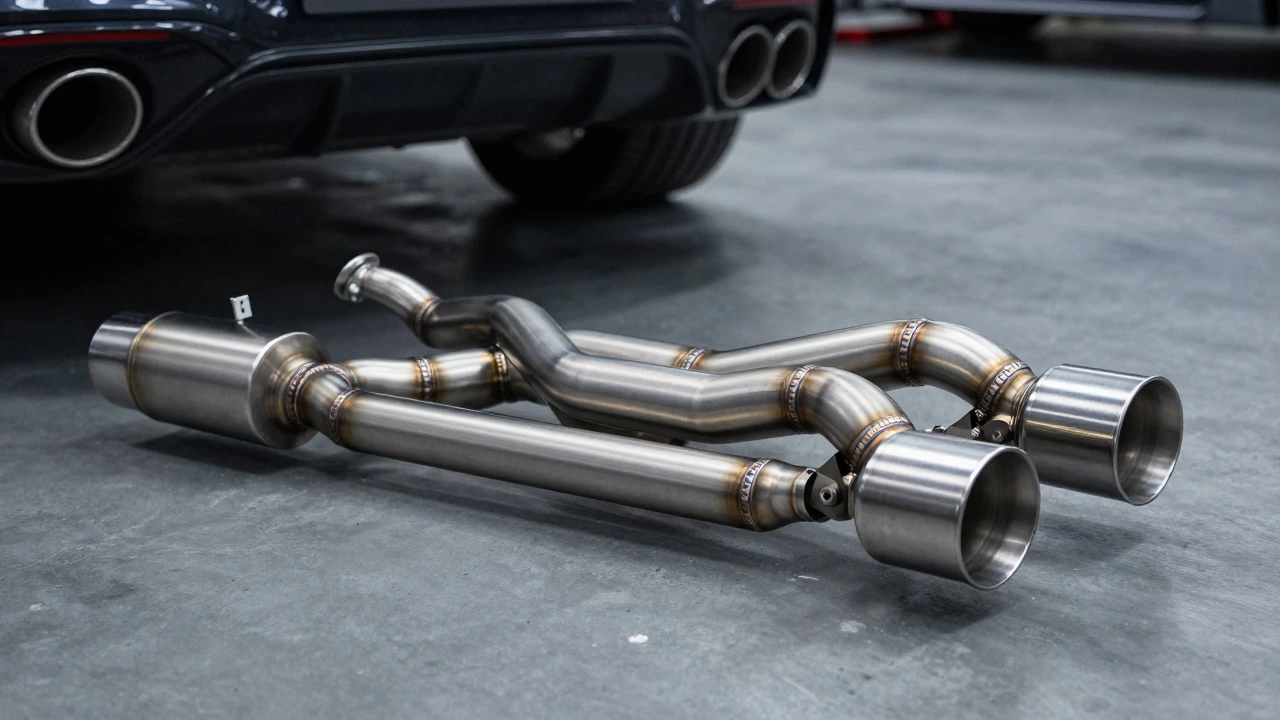
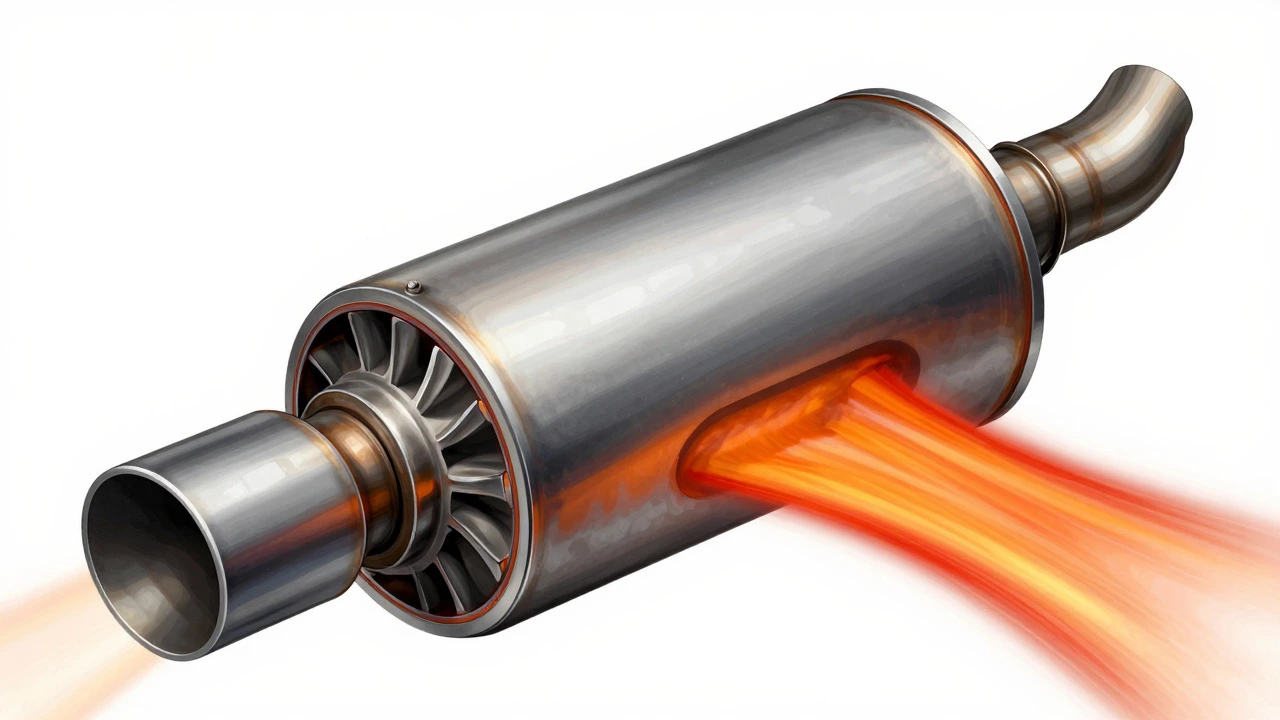
Cat-Back Exhausts are systems that replace everything from the catalytic converter rearwards. This includes the muffler, resonators, and tailpipes. This is the most popular choice for everyday drivers. Why? Because it is relatively easy to install, usually bolt-on, and keeps the catalytic converter intact, which means you stay legal for emissions testing in the UK and EU. You get a noticeable change in tone without breaking the bank or risking your MOT (Ministry of Transport test).
Header-Back Exhausts are complete replacements starting from the engine headers all the way to the tailpipe. This is for enthusiasts who want maximum flow. By replacing the downpipe and catalytic converter with high-flow versions, you reduce backpressure significantly. The trade-off? It is expensive, harder to install, and might trigger check-engine lights if the oxygen sensors aren't compatible. This is the route for track days or serious modifications.
Muffler-Only Swaps are budget-friendly upgrades that only replace the final silencing component. You keep your existing pipes and hangers. This is great if your current system is structurally sound but sounds too quiet. However, if your old pipes have rust holes, swapping just the muffler won't fix the leaks or the weight issues.
Performance vs. Sound: What Are You Chasing?
Many buyers confuse volume with performance. A louder exhaust does not automatically mean a faster car. In fact, too much noise can indicate poor engineering. Here is how to align your expectations with reality.
If you want horsepower, look for systems designed for flow, not just noise. Brands like Borla or MagnaFlow focus on internal baffling that reduces turbulence. Less turbulence means the engine doesn't have to work as hard to push gases out. This frees up energy for acceleration. Expect modest gains of 5-10 horsepower on naturally aspirated engines, and more on turbocharged cars where backpressure hurts spool time.
If you want aggression, you are looking for tone. Some systems use straight-through mufflers for a raw, burbling sound. Others use chambered designs for a deeper, smoother rumble. Test drives are essential here. An exhaust that sounds great at idle might become a headache at highway speeds due to "drone"-a low-frequency hum that vibrates inside the cabin. Ask yourself: Will this sound annoy you after 30 minutes of driving?
Materials Matter: Steel Grades Explained
In Bristol, we get plenty of rain. Salt on the roads in winter accelerates corrosion. The material of your exhaust determines its lifespan. Don't skimp here.
| Material | Durability | Cost | Best For |
|---|---|---|---|
| Aluminized Steel | Low (Rusts in 2-4 years) | Low | Budget builds, temporary fixes |
| Stainless Steel (409 Grade) | Medium (Lasts 5-8 years) | Medium | Daily drivers, mild climates |
| Stainless Steel (304/304L Grade) | High (Lasts 10+ years) | High | Enthusiasts, harsh winters, long-term investment |
| Titanium | Very High | Very High | Racing, weight reduction, show cars |
For most UK drivers, 304 Stainless Steel is the sweet spot. It resists rust better than cheaper grades and looks polished even when aged. Titanium is fantastic for reducing weight-critical in racing-but costs three times as much. Unless you are shedding grams for a lap record, stick to stainless.
Installation: DIY vs. Professional Fitment
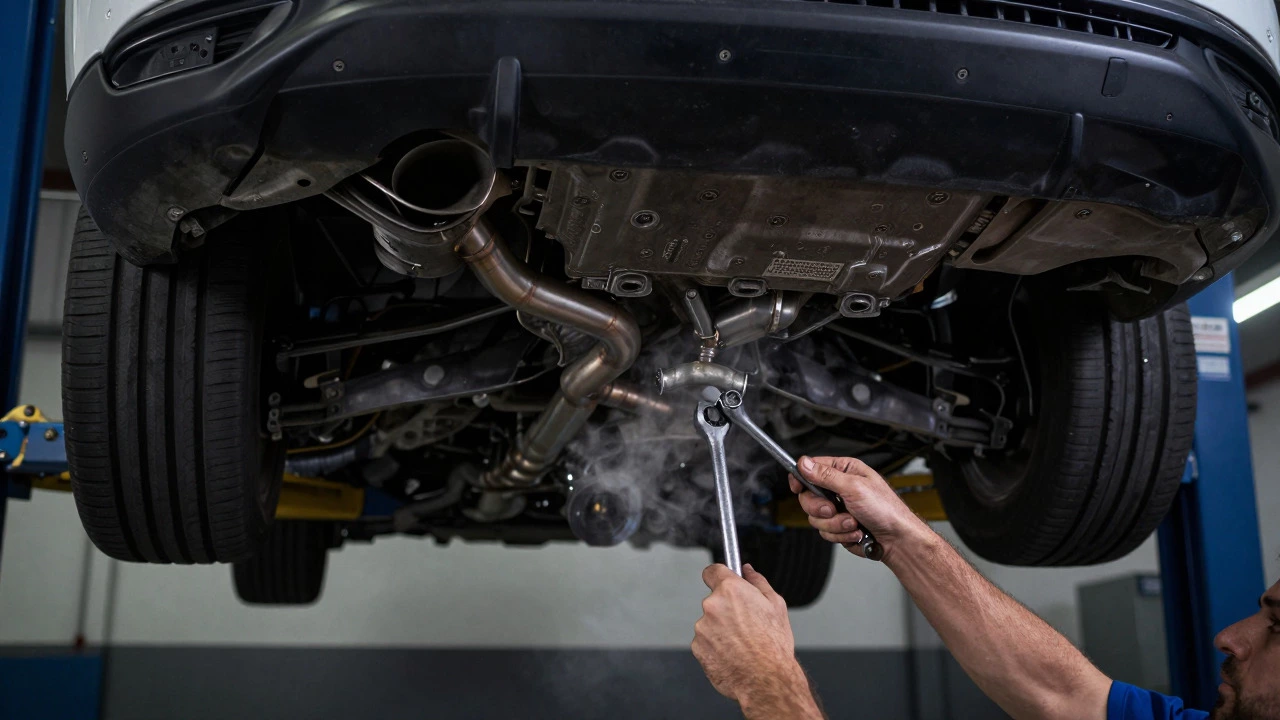
Installing an exhaust is not always a simple plug-and-play job. While cat-back systems are marketed as DIY-friendly, the reality involves jacking up your car, dealing with seized bolts, and ensuring proper alignment.
If you choose a cat-back system, you might manage it yourself with basic tools: a jack, stands, wrenches, and penetrating oil. The key is patience. Old exhaust bolts often seize due to heat cycling. Rushing leads to stripped bolts or bent pipes.
For header-back systems, professional installation is recommended. These jobs involve working near hot engine components, disconnecting oxygen sensors, and potentially reprogramming the ECU (Engine Control Unit) to adapt to new airflow data. A mistake here can lead to engine damage or failed emissions tests.
Consider the hidden costs. Labor rates vary, but expect to pay extra for welding if the new system doesn't match your car's mounting points perfectly. Always ask for a warranty on both parts and labor.
Legal Considerations and Noise Regulations
Living in the UK, you must navigate strict noise laws. The Highway Code states that vehicles must not make unnecessary noise. Local councils can issue fines for excessively loud exhausts. More importantly, your MOT test checks for excessive noise and leaks.
When shopping, look for systems labeled as "MOT compliant" or "street legal." These are tuned to stay within decibel limits while still offering improved sound over stock. Avoid "race-only" or "track-day" systems unless you plan to drive exclusively on closed circuits. They often lack resonators, leading to a raspy, metallic scream that attracts attention from traffic wardens.
Also, consider your neighbors. A deep rumble might sound cool to you, but it can disturb others during early morning commutes. Balance is key. A good exhaust enhances the driving experience without becoming a nuisance.
Top Brands and Recommendations
Not all brands are created equal. Here are some reputable names known for quality and customer support:
- Borla: Known for aggressive sound and durable construction. Great for muscle cars and trucks.
- MagnaFlow: Offers a quieter, smoother tone. Ideal for daily drivers who want subtle improvements.
- Valente: Specializes in European cars, particularly BMW and Mercedes. Focuses on precise fitment and refined acoustics.
- Apexi: Popular among JDM (Japanese Domestic Market) enthusiasts. Offers lightweight options and sharp, sporty tones.
- Remus: A German brand renowned for high-quality stainless steel systems. Excellent for Audi and VW platforms.
Before buying, read reviews specific to your car model. An exhaust that works well on a Ford Focus might sound terrible on a Ford Mustang due to different engine characteristics and cabin insulation.
Frequently Asked Questions
Will a new exhaust void my warranty?
Generally, no. Under consumer protection laws, manufacturers cannot void your entire warranty just because you changed the exhaust. However, if the exhaust modification causes engine damage (e.g., by altering air/fuel ratios significantly), they may deny coverage for those specific repairs. Keep records of your installation and choose reputable brands to minimize risk.
How much horsepower can I gain from an exhaust upgrade?
Expect modest gains. On naturally aspirated engines, you might see 5-10 HP. Turbocharged engines can benefit more, potentially gaining 10-20 HP, especially if combined with other mods like intake upgrades or ECU tuning. Remember, exhaust alone is rarely a magic bullet for massive power increases.
Is it worth upgrading the exhaust on an older car?
Yes, if the original system is rusted or clogged. Replacing it restores lost performance and improves fuel efficiency slightly. Additionally, a fresh exhaust can make an older car feel more responsive and enjoyable to drive. Just ensure the rest of the car is in good condition to maximize the benefit.
Can I install an exhaust myself?
Cat-back systems are often DIY-friendly if you have basic mechanical skills and tools. Header-back systems are more complex and may require specialized tools or professional help. Always consult the installation instructions and assess your comfort level with working under a vehicle.
What is the difference between straight-pipe and baffled exhausts?
Straight-pipe exhausts have no internal obstructions, resulting in maximum flow but also maximum noise, often described as raspy or tinny. Baffled exhausts use internal chambers and perforated tubes to cancel out sound waves, producing a deeper, more refined tone while still improving flow over stock systems.