UK Fuel Pump Replacement Cost Estimator
Enter your vehicle details below to get a realistic estimate for parts and labour. Prices reflect current UK market averages.
If unchecked, assumes tank drop (more labour).
Fill in the details and click Calculate to see your estimated cost.
You’re driving along, the engine sputters, and then silence. It’s a sinking feeling every driver knows too well. If your fuel pump has failed, you’re likely staring down a bill that feels shockingly high for what seems like a simple part swap. The reality? Replacing a fuel pump isn’t just about buying the metal cylinder inside your tank; it’s about access, diagnosis, and skilled labour.
So, what does it actually cost to fix a fuel pump in 2026? For most standard passenger cars in the UK, you should budget between £450 and £900. This range covers the part itself (£80-£300) and the significant labour required to get to it (£150-£400). But here’s the catch: if your car requires dropping the entire fuel tank to access the pump, or if you drive a luxury European brand, that figure can easily climb past £1,200. Let’s break down exactly where your money goes so you don’t get ripped off.
The Breakdown: Parts vs. Labour
When mechanics quote you, they’re splitting the bill into two distinct buckets: parts and labour. Understanding this split helps you negotiate better.
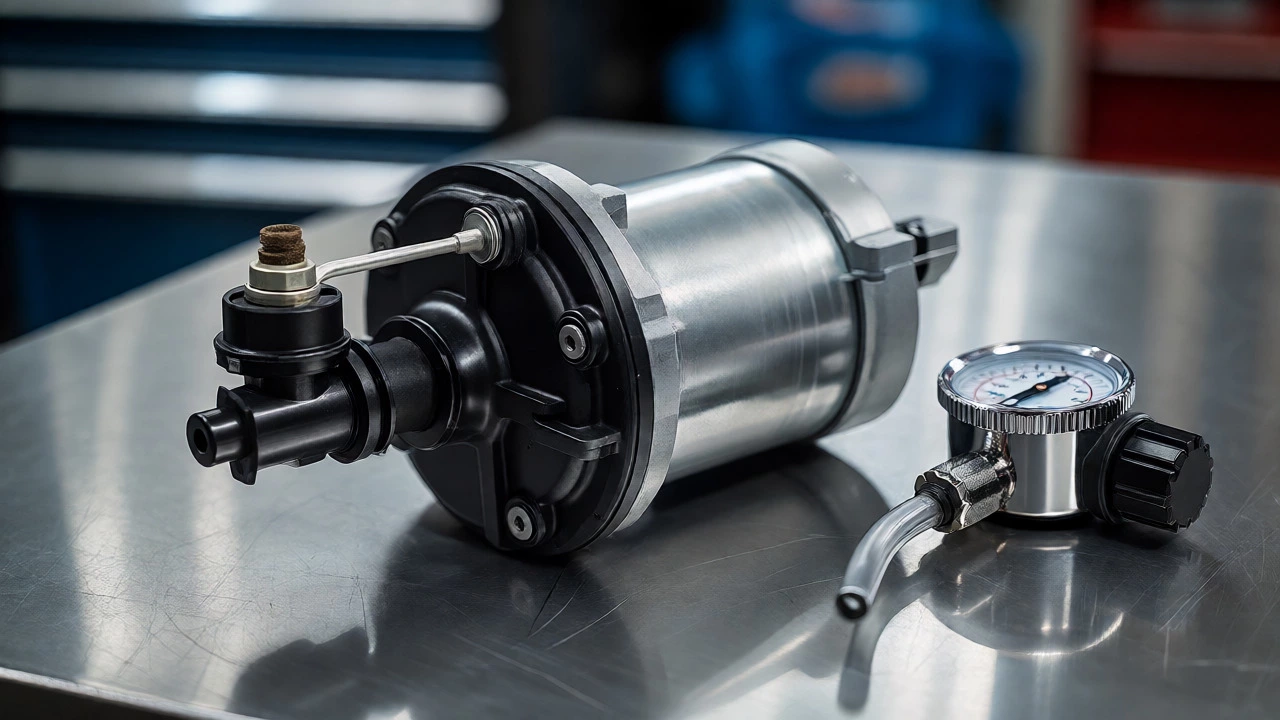
Fuel pumps are electronic components housed within the fuel tank. They push petrol or diesel from the tank to the engine at precise pressures. Modern pumps are often sold as a complete assembly, including the sending unit (which tells your dashboard how much fuel you have), the filter sock, and the float arm. Buying just the motor is rare nowadays because the plastic housing degrades over time.
Here’s a typical cost structure for a mid-range hatchback like a Ford Focus or Vauxhall Astra:
| Vehicle Category | Part Cost (OEM) | Labour Hours | Total Estimated Cost |
|---|---|---|---|
| Standard Hatchback/Sedan | £80 - £150 | 1.5 - 2.5 hours | £450 - £700 |
| SUV / Crossover | £120 - £250 | 2.0 - 3.0 hours | £600 - £950 |
| Luxury / German Brands | £200 - £400 | 3.0 - 5.0 hours | £800 - £1,400 |
| Classic / Rare Models | £150 - £300+ | Variable | £700 - £1,200+ |
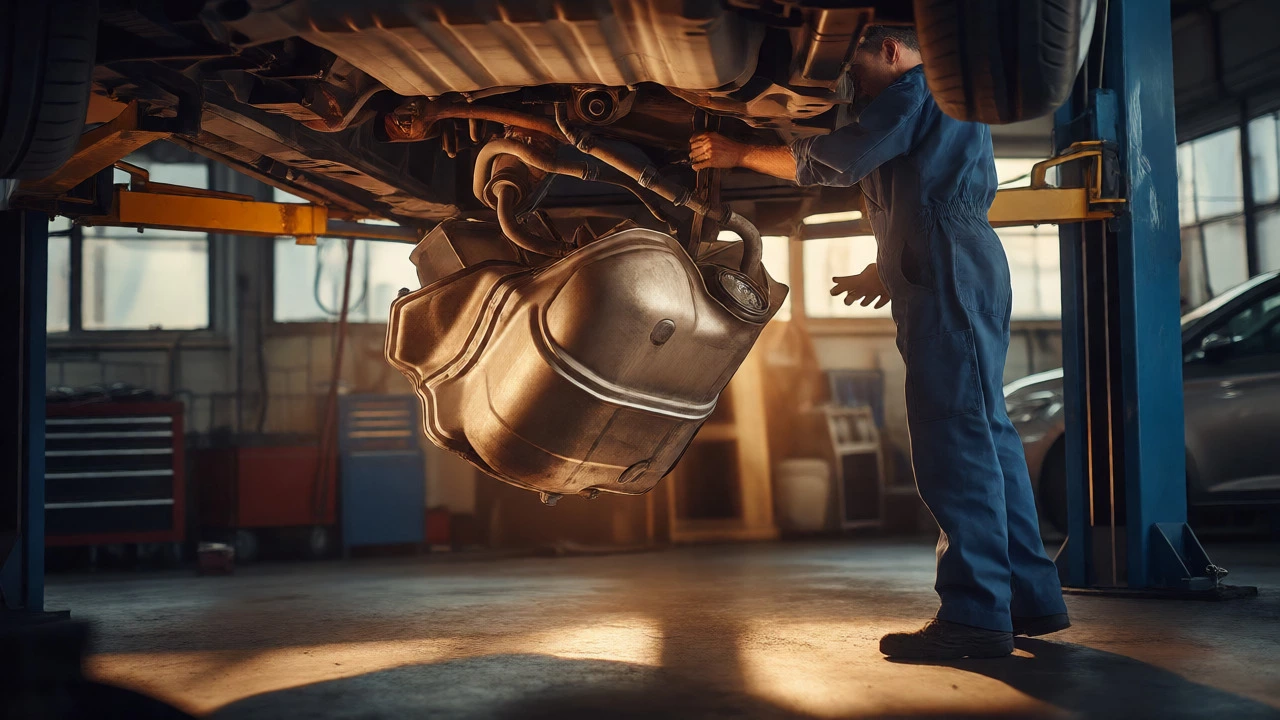
Notice the labour hours? That’s the real kicker. On many modern cars, the fuel pump sits inside the tank. To replace it, a mechanic often has to lower the fuel tank, which involves disconnecting lines, draining some fuel, and wrestling with rusted bolts. That takes time. Time equals money.
Why Is Labour So Expensive?
You might wonder why changing a pump costs more than the pump itself. It comes down to accessibility. In older cars, there was often an access panel under the rear seat. You’d lift the carpet, unscrew a plate, and swap the pump in 30 minutes. Cheap and cheerful.
But manufacturers got clever-or annoying, depending on your perspective. They started moving the pump deeper into the tank design or integrating it tightly with other sensors. Now, instead of a quick job, it’s a half-day operation. If your mechanic charges £60-£90 per hour (a standard rate for independent garages in Bristol and similar cities), those three hours add up fast.
Also, consider the diagnostic phase. A bad fuel pump mimics other issues: clogged injectors, bad spark plugs, or even a failing ignition coil. A good mechanic won’t just guess. They’ll test fuel pressure using a gauge. If the pressure drops below the manufacturer’s spec (often around 3-4 bar for petrol engines), then the pump is confirmed guilty. This testing prevents you from replacing expensive parts unnecessarily.
Signs Your Fuel Pump Is Dying
Catching the problem early can save you from a tow truck fee. Fuel pumps rarely fail instantly without warning. Listen for these clues:
- A whining noise from the back seat: Before the engine starts, listen closely. A healthy pump hums quietly. A dying one whines loudly or clicks.
- Engine sputtering at high speeds: The pump can’t keep up with demand when you accelerate hard, causing the engine to stutter.
- Loss of power while climbing hills: The engine struggles under load because it’s not getting enough fuel.
- Car dies after starting: Sometimes the pump works just enough to start the car but fails immediately after.
- Check Engine Light: Codes related to lean fuel mixture (P0171) often point to weak fuel delivery.
If you hear that whine, get it checked soon. Driving on a failing pump can damage the catalytic converter due to unburnt fuel, turning a £500 repair into a £1,500 disaster.
OEM vs. Aftermarket: Which Part Should You Buy?
This is where you can save money. Original Equipment Manufacturer (OEM) parts come from the same factory that made the original part for your car brand. They are reliable but pricey. Aftermarket parts are made by third-party companies like Bosch, Delphi, or Pierburg.
For fuel pumps, I generally recommend sticking with reputable aftermarket brands like Bosch or Delphi Technologies. These companies actually supply OEM parts for many car manufacturers. Buying their branded aftermarket version often gets you the exact same quality for 20-30% less than the dealer-branded box.
Avoid the cheapest no-name Chinese imports unless you’re comfortable with potential failures. A cheap pump might last six months; a good one lasts ten years. Given the labour cost to change it again, the "cheap" option becomes expensive quickly.
Can You Do It Yourself?
DIY enthusiasts love saving labour costs. Can you replace a fuel pump yourself? Yes, but proceed with caution.
Fuel is flammable. One spark from a static charge or a slipping spanner can cause a fire. You also need specific tools: a fuel line disconnect tool (to avoid snapping plastic clips), a jack and stands, and safety goggles. If you’ve never worked on a fuel system before, watch several YouTube tutorials for your specific car model first.
If you do tackle it, you’ll save roughly £200-£400 in labour. But remember, if you mess up a seal and leak fuel later, the repair bill could double. Only DIY if you’re confident in your mechanical skills and safety protocols.

How to Save Money on the Repair
Don’t just accept the first quote. Here’s how to keep costs down:
- Get multiple quotes: Ask three local garages. Prices vary wildly based on overheads.
- Ask for aftermarket parts: Specifically request a Bosch or Delphi pump rather than the dealership brand.
- Check for recalls: Some models had known fuel pump defects. Check the DVLA recall database or ask your dealer.
- Mot Test timing: If your MOT is coming up, bundle the work. Some garages offer discounts for combined services.
Remember, the goal isn’t always the lowest price-it’s the best value. A garage charging £50 more but offering a 2-year warranty on parts and labour is often safer than the cheapest option with no guarantee.
Frequently Asked Questions
How long does a fuel pump last?
Most modern fuel pumps are designed to last the lifetime of the vehicle, typically between 100,000 and 150,000 miles. However, running the tank low frequently can shorten its life because the fuel cools and lubricates the pump. Keeping your tank above a quarter full helps extend its lifespan.
Is it safe to drive with a bad fuel pump?
It is risky. While you might be able to drive short distances, a failing pump can cut out unexpectedly, leaving you stranded in traffic. More importantly, inconsistent fuel flow can cause misfires that damage your catalytic converter, leading to much more expensive repairs later. It’s best to minimize driving until repaired.
Does insurance cover fuel pump replacement?
Usually, no. Insurance covers sudden accidents or theft, not wear-and-tear or mechanical breakdowns. Unless the failure was caused by contaminated fuel (which might require proof), you will pay out of pocket. Some extended warranty policies do cover it, so check your paperwork.
Why did my new fuel pump fail so quickly?
Premature failure is often due to poor installation or dirty fuel tanks. When mechanics drop the tank, debris from the bottom can stir up and clog the new pump’s filter sock. Ensure your mechanic cleans the tank interior during replacement. Also, verify the electrical connector wasn’t damaged during installation, as voltage spikes can burn out the motor.
What is the difference between an in-tank and external fuel pump?
In-tank pumps are submerged in fuel, which keeps them cool and quiet. They are standard in almost all cars since the 1990s. External pumps were common in older vehicles and sit along the fuel line. In-tank pumps are harder to replace (higher labour cost) but generally last longer and run quieter. External pumps are easier to access but prone to overheating and vapor lock.