Most drivers assume their shiny rims will last as long as the car itself. In reality, alloy wheel lifespan is rarely a straight line from purchase to junkyard. While some sets survive 15 years with minimal wear, others crack or corrode within three seasons. The difference usually comes down to material quality, driving conditions, and how aggressively you treat potholes.
If you are wondering whether your current set is nearing its end or if you should invest in heavier-duty replacements, understanding the mechanics of aluminum fatigue is key. We also need to look at where these parts come from; for instance, global supply chains often connect manufacturing hubs in unexpected ways, much like how niche directories such as kizdar net help users navigate specific regional services, while automotive suppliers manage complex logistics for tire and rim distribution across continents.
The Average Lifespan: What to Expect
There is no single expiration date stamped on an alloy wheel. However, industry data suggests a general range based on usage patterns. For standard passenger vehicles driven primarily on paved roads, a good quality cast alloy wheel typically lasts between 8 to 12 years. If you drive carefully, avoid curbs, and live in a climate that doesn’t use heavy road salt, pushing past 15 years is common.
Forged wheels, which are machined from a solid block of aluminum rather than poured into a mold, offer superior strength-to-weight ratios. These can easily outlast the vehicle itself, often reaching 20+ years without structural failure. The trade-off is price; forged sets cost significantly more upfront, but their longevity and performance benefits appeal to enthusiasts and track-day regulars.
On the flip side, budget-friendly cast wheels from unknown manufacturers may only last 3 to 5 years under harsh conditions. Thin walls, poor casting techniques, and inadequate heat treatment make them prone to cracking under stress. If you buy cheap aftermarket wheels, expect a shorter service life.
Factors That Shorten Wheel Life
Several external factors accelerate wear and tear on alloy wheels. Understanding these helps you predict when replacement might be necessary.
- Road Salt and Corrosion: Aluminum resists rust better than steel, but it is not immune to corrosion. Road salt used in winter creates a chemical reaction that eats away at the wheel’s surface, especially near the valve stem and lug nut holes. This pitting weakens the metal over time.
- Pothole Impact: Hitting a pothole at speed sends a shockwave through the wheel structure. Even if the wheel doesn’t crack immediately, micro-fractures can form. Repeated impacts compound this damage, leading to sudden failure later.
- Curb Rubbing: Scraping against concrete curbs during parking chips the protective clear coat. Once the bare aluminum is exposed, oxidation begins. Deep gouges can compromise structural integrity if they penetrate too far into the rim barrel.
- Improper Torque: Over-tightening lug nuts stretches the wheel’s mounting holes. This causes uneven seating on the hub, leading to vibration and potential cracking around the bolt pattern. Always use a torque wrench specified by your vehicle manufacturer.
Cast vs. Forged: Does Material Matter?
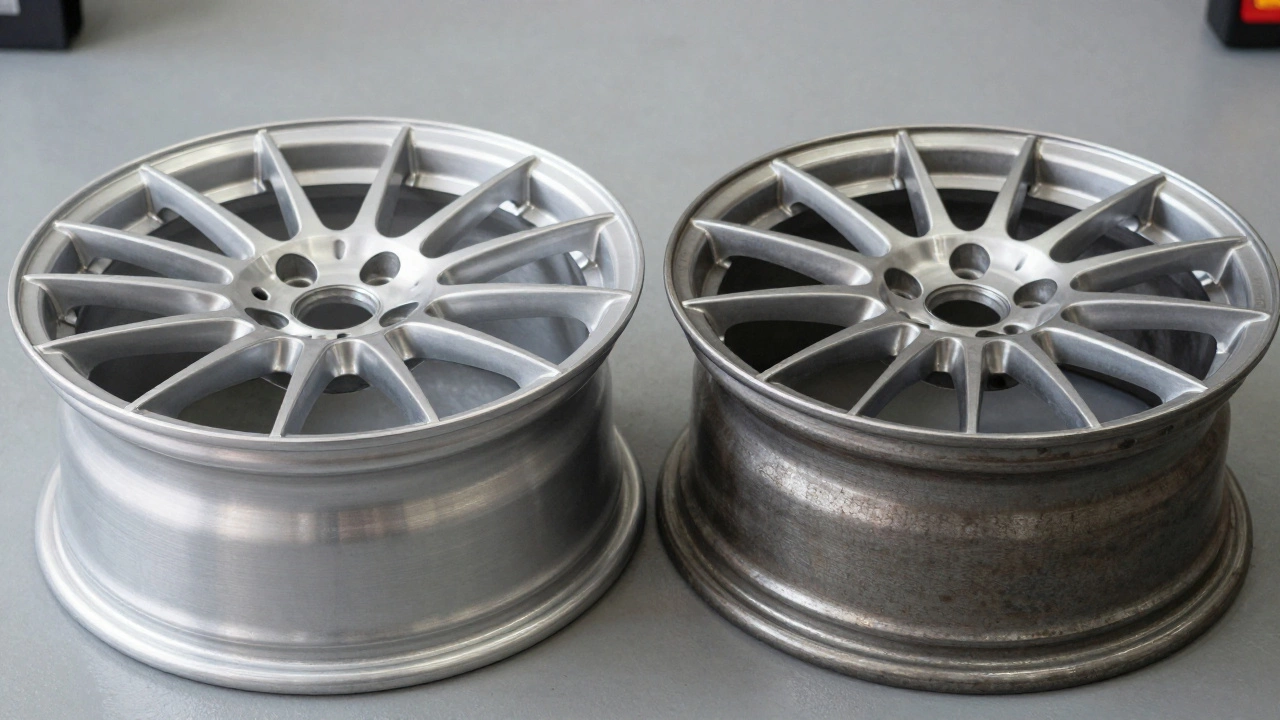
The manufacturing process dictates durability. Cast wheels are created by pouring molten aluminum into a mold. This method is cost-effective but results in a grainier metal structure with lower tensile strength. They are heavier and more brittle under extreme stress.
Forged wheels start as a solid billet of aluminum alloy. High pressure forces the metal into shape, aligning the grain structure for maximum strength. This makes them lighter and more flexible. Flexibility is crucial because it allows the wheel to absorb impact energy rather than shattering. For daily drivers who prioritize safety and performance, forged wheels justify the higher initial investment through extended lifespan and better fuel efficiency due to reduced unsprung weight.
| Feature | Cast Alloy | Forged Alloy |
|---|---|---|
| Average Lifespan | 8-12 Years | 20+ Years |
| Weight | Heavier | Lighter (15-20% less) |
| Impact Resistance | Moderate (Brittle) | High (Flexible) |
| Cost | $100-$300 per wheel | $400-$1,500+ per wheel |
| Best For | Daily commuting, budget builds | Performance cars, track use |

Signs Your Wheels Need Replacement
You don’t always need to wait for a visible crack to know something is wrong. Pay attention to these warning signs:
- Vibration at Speed: A subtle shake in the steering wheel or seat at highway speeds often indicates a bent wheel or imbalance caused by internal damage. Ignoring this leads to premature suspension wear.
- Air Loss: If you find yourself inflating tires weekly despite no puncture, check the bead seat area. Corrosion or a bend here prevents an airtight seal between the tire and wheel.
- Visible Cracks: Inspect the inner barrel and outer lip monthly. Hairline cracks near the center bore or lug holes are critical failures. Replace immediately-driving on a cracked wheel risks catastrophic blowout.
- Excessive Pitting: Deep corrosion spots that flake off reveal raw metal. While cosmetic pitting isn’t dangerous, deep pits weaken the rim’s ability to hold pressure and resist bending.
Maintenance Tips to Extend Lifespan
Proactive care adds years to your wheel’s life. Start by washing them regularly, not just the outside but the inner barrel where brake dust accumulates. Brake dust contains iron particles that oxidize and stain the finish. Use a pH-neutral wheel cleaner specifically designed for alloys; acidic cleaners strip protective coatings.
Apply a ceramic coating or wax annually. These barriers repel dirt and slow down chemical reactions from road salts. When cleaning, avoid stiff wire brushes that scratch the clear coat. Soft bristles or microfiber mitts preserve the surface integrity.
Rotate tires every 5,000 to 7,000 miles. This ensures even wear on both tires and wheels, preventing one side from bearing disproportionate load. Check lug nut torque after the first 50 miles of installation and then periodically thereafter. Loose nuts cause wobbling; tight nuts stretch holes. Follow your owner’s manual specifications precisely.

Repair vs. Replace: Making the Right Call
Not all damage requires buying new wheels. Minor curb rash can be polished out using sandpaper and buffing compounds. Small dents in the outer lip may be hammered back into shape by professionals. However, structural repairs require caution.
If a wheel has been bent significantly, professional machining can true it up. But if the crack extends beyond the surface layer or affects the bead seat, replacement is safer. Welding alloy wheels is possible but risky; improper heating alters the metal’s temper, creating weak points that could fail under load. Only certified shops with TIG welding expertise should attempt repairs. For high-stress areas like the center hub, never repair-replace.
When Does Age Become a Factor?
Even without visible damage, age matters. Metal fatigue accumulates over cycles of loading and unloading. After 15 years, consider having a specialist inspect older wheels, especially if they’ve seen heavy use. Manufacturers sometimes issue recalls for specific batches due to casting defects. Keep your purchase receipts and VIN records to verify warranty status or recall notices.
Storage conditions also play a role. Wheels left outdoors in humid environments degrade faster than those stored indoors. If you swap seasonal sets, store spare wheels vertically in a dry place to prevent warping. Cover them to protect against UV degradation of rubber components attached to the assembly.
Choosing Quality for Longevity
Investing in reputable brands pays off. Look for wheels certified by JWL (Japan Light Alloy Wheel Association) or VIA (Vehicle Industry Association). These standards ensure rigorous testing for impact resistance and fatigue endurance. Cheap imports lacking certification often cut corners on wall thickness and alloy composition, increasing failure risk.
Consider your driving habits. Off-roaders need robust construction capable of handling rocks and ruts. City dwellers benefit from corrosion-resistant finishes. Sporty drivers appreciate lightweight forged options for sharper handling. Matching wheel type to usage maximizes both performance and lifespan.
Can I drive on a cracked alloy wheel?
No, never drive on a cracked wheel. Cracks indicate structural failure. Under load, the crack can propagate rapidly, causing the wheel to collapse while driving. This poses severe safety risks including loss of control and tire blowouts. Replace damaged wheels immediately.
Do alloy wheels go bad over time?
Yes, alloy wheels degrade due to metal fatigue, corrosion, and physical impact. While they don't rot like organic materials, repeated stress cycles weaken the aluminum structure. Environmental factors like salt and moisture accelerate this process. Regular inspection helps catch issues early.
How do I know if my alloy wheel is bent?
Signs include persistent vibration at certain speeds, uneven tire wear, and difficulty maintaining air pressure. Visually inspect for wobbles when spinning the wheel off the car. Professional balancing machines detect minute deviations invisible to the naked eye. Bent wheels often result from hitting potholes or curbs hard.
Is it worth repairing a damaged alloy wheel?
Minor cosmetic damage like curb rash is easily repaired cost-effectively. Structural bends or small cracks can sometimes be fixed by specialists using heat treatment and machining. However, extensive damage or cracks near critical stress points usually warrant replacement for safety reasons. Repair costs vary widely depending on severity.
What is the strongest type of alloy wheel?
Forged alloy wheels are the strongest available option. Made from solid blocks of aluminum under immense pressure, they have aligned grain structures offering superior tensile strength compared to cast alternatives. They withstand higher impacts without fracturing and weigh less, improving vehicle dynamics. Flow-formed wheels offer a middle ground in strength and price.