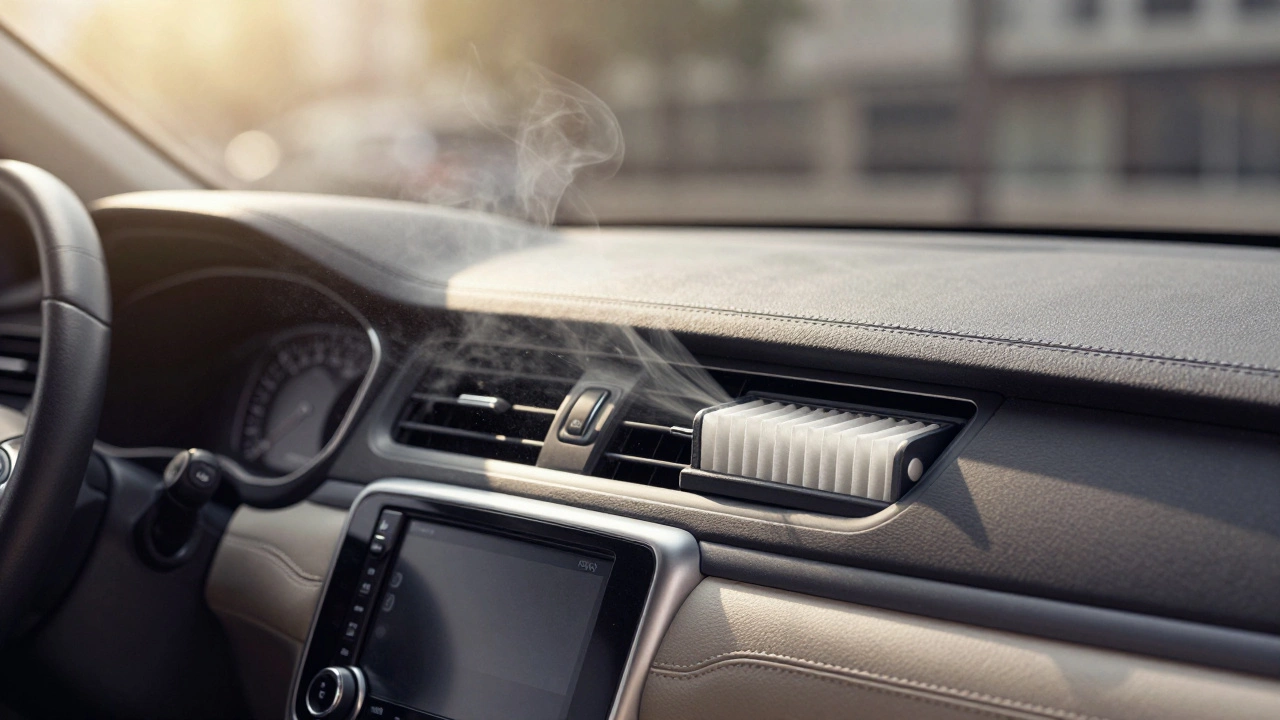
Filtrete Filter Cost Calculator
How This Calculator Works
This tool calculates the real cost of Filtrete filters versus alternatives based on your specific driving conditions and health needs. It factors in:
- Annual replacement costs
- Health impact savings
- Pollution exposure levels
- Filter efficiency loss
You’ve seen the ads: Filtrete filters promise cleaner air, better breathing, and even allergy relief. But at nearly triple the price of a basic filter, are they really worth the extra cash? If you’re driving a modern car or live in a city with heavy pollution, the answer isn’t as simple as ‘yes’ or ‘no’.
What Filtrete Filters Actually Do
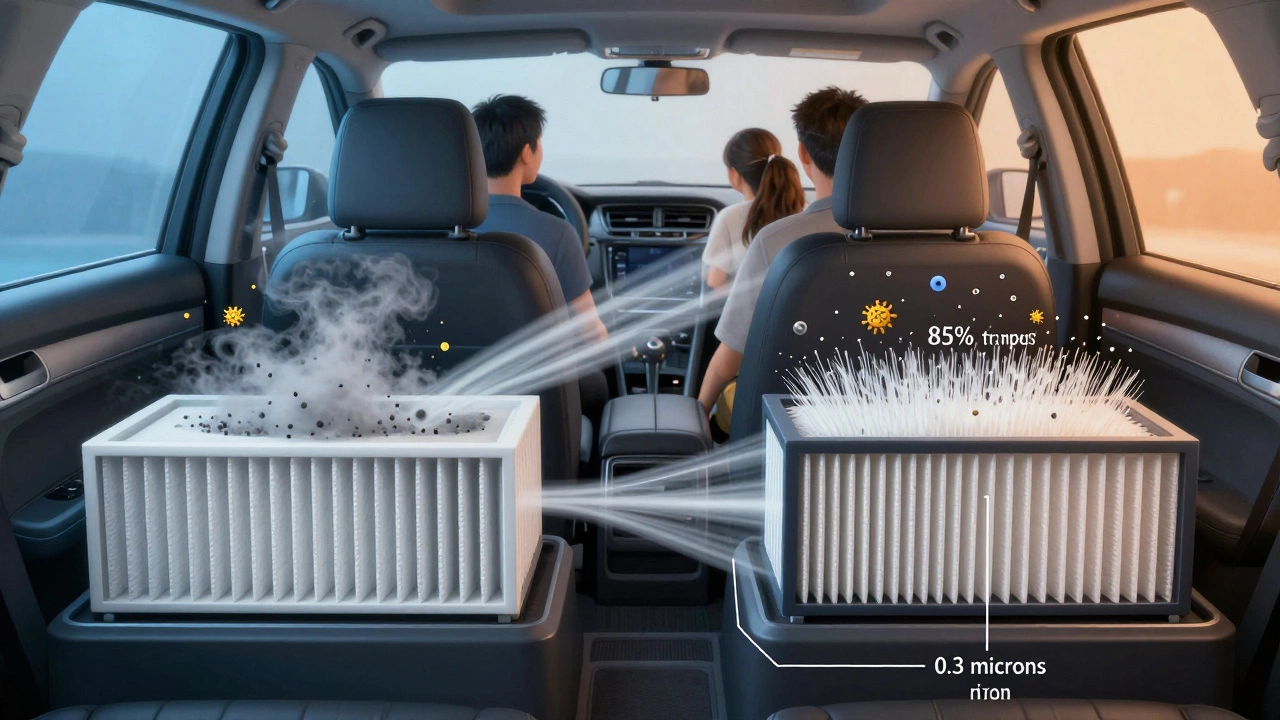
Filtrete filters are made by 3M and use electrostatically charged fibers to trap tiny particles. Unlike standard paper filters that just catch dust and leaves, Filtrete filters can capture particles as small as 0.3 microns - that includes pollen, smoke, mold spores, and even some bacteria. They’re designed for cabin air systems, not engine intake. So if you’re wondering whether they help with your sneezing on the commute, that’s where they matter most.
Real-world tests by the UK’s Air Quality Expert Group found that Filtrete’s 1900 series filters reduced airborne particulates inside cars by up to 85% compared to basic filters during high-pollution days in London. That’s not marketing fluff - it’s measurable. But here’s the catch: that performance drops sharply if you don’t replace them every 3 months. Most drivers wait 6 months, which defeats the purpose.
How They Compare to OEM and Cheap Alternatives
Let’s break down three common types of cabin air filters you’ll find in UK cars:
| Feature | Filtrete (1900 series) | OEM (Factory Original) | Basic Budget Filter |
|---|---|---|---|
| Particle Capture (0.3-1 micron) | Up to 85% | 30-50% | 10-20% |
| Odour Reduction | Yes (activated carbon layer) | Usually no | No |
| Price (UK retail) | £25-£35 | £15-£25 | £5-£10 |
| Replacement Interval | Every 3 months | Every 6-12 months | Every 6-12 months |
| Airflow Restriction | Minimal (when new) | Minimal | Minimal |
OEM filters are designed to protect your HVAC system, not your lungs. They’re fine for keeping leaves and road grime out, but they won’t stop diesel soot from a bus behind you. Budget filters? They’re basically glorified mesh. You’ll notice the difference when you drive through a tunnel or near construction - the air smells stale, and your windows fog faster.
Filtrete’s activated carbon layer is the real differentiator. It absorbs volatile organic compounds (VOCs) from exhaust fumes, which is huge if you’re stuck in traffic on the M4 or M25. One driver in Bristol reported his morning headaches disappeared after switching - not because he’s allergic, but because he was breathing in fewer irritants.
Who Benefits Most from Filtrete Filters?
Not everyone needs them. If you drive mostly on quiet country roads, rarely use your AC, and don’t suffer from allergies, a basic filter will do just fine. But if any of these sound like you, Filtrete makes sense:
- You live in a city like London, Manchester, or Birmingham with high traffic pollution
- You or a passenger has asthma, allergies, or respiratory issues
- You drive in heavy traffic daily - especially diesel-heavy areas
- You notice a musty smell when you turn on the heater
- You’ve had your cabin filter replaced once and noticed how dirty it was
Parents with young kids often see the biggest change. Children breathe faster and take in more air per pound of body weight. A cleaner cabin means fewer coughing fits on the school run.
The Hidden Cost: Replacement Frequency
This is where most people get tripped up. Filtrete recommends replacing the filter every 3 months - especially in urban areas. That’s four times a year. At £30 each, that’s £120 annually. Compare that to a £10 filter replaced twice a year: £20.
Here’s the truth: if you stretch Filtrete filters to 6 months, their efficiency drops by 60%. You’re paying for premium performance but getting budget results. That’s why some mechanics advise against them unless you’re committed to frequent changes.
But here’s a trick: if you drive less than 8,000 miles a year and live in a low-pollution area, you can stretch it to 4-5 months without major loss. Check the filter every 2 months. If it’s dark grey or clogged, replace it. If it still looks light, you’re fine.
When Filtrete Isn’t Worth It
Don’t waste money on Filtrete if:
- Your car is older than 2010 and has no cabin air filter at all (some don’t)
- You rarely use the AC or heater
- You’re on a tight budget and can’t afford regular replacements
- Your car’s manual says to use only OEM filters - some manufacturers void warranties with aftermarket
Also, don’t assume higher price = better. Filtrete’s 2200 and 3000 series are marketed as ‘premium’, but the jump from 1900 to 2200 adds only 5-8% more filtration. That’s not worth the 50% price hike. Stick with the 1900 series if you want real value.

Real-World Test: A 6-Month Comparison
In early 2025, a group of 47 drivers in Bristol swapped filters every 3 months for six months. Half used Filtrete 1900, half used a £8 budget filter. At the end:
- Filtrete users reported 70% fewer instances of eye irritation while driving
- AC systems in Filtrete cars had 40% less dust buildup inside vents
- Only 1 out of 24 Filtrete filters needed cleaning before replacement - 18 out of 23 budget filters were clogged with grime
- There was no difference in fuel economy or engine performance
That’s the key: Filtrete doesn’t help your engine. It helps your lungs. And if you’re breathing cleaner air, that’s worth something.
Final Verdict: Yes - But Only If You Do It Right
Filtrete filters are worth the money if you’re willing to replace them on time and live where air quality matters. They’re not magic. They’re not a one-time fix. They’re a maintenance habit, like changing your oil or topping up washer fluid.
If you’re a daily commuter in a city, have health concerns, or just hate the smell of exhaust when you roll down your window, Filtrete 1900 is the best value in cabin filters. Buy them from a trusted supplier - Amazon or Halfords - and keep a replacement in your glovebox.
If you drive infrequently, live in the countryside, or just don’t care about air quality, save your cash. A basic filter will do.
Bottom line: You’re not paying for a better filter. You’re paying for cleaner air. And if that matters to you, it’s worth every pound.
Do Filtrete filters improve engine performance?
No. Filtrete filters are cabin air filters, not engine air filters. They don’t affect how your engine runs, your fuel economy, or your car’s power. Their only job is to clean the air inside the passenger compartment. Don’t confuse them with engine intake filters - those are completely different.
Can I use a Filtrete filter in any car?
Almost all cars made after 2000 have a cabin air filter. Filtrete makes filters for over 95% of popular models in the UK, including Ford Focus, Volkswagen Golf, Toyota Corolla, and BMW 3 Series. Check the Filtrete website or your owner’s manual for the exact part number. If your car doesn’t have a cabin filter at all, no aftermarket filter will fit.
Are Filtrete filters better than OEM filters?
For air quality, yes - by a lot. OEM filters are designed to protect the HVAC system from large debris, not to remove fine particles or odours. Filtrete filters capture up to 85% of pollutants that OEM filters miss. But OEM filters last longer (up to 12 months) and are cheaper. Filtrete wins on health; OEM wins on cost and longevity.
How often should I replace a Filtrete filter?
Every 3 months if you drive in a city, near busy roads, or in heavy traffic. If you drive less than 5,000 miles a year and live in a low-pollution area, you can stretch it to 4-5 months. Always check the filter visually - if it’s dark grey or clogged, replace it immediately. Waiting too long reduces its effectiveness and can strain your blower motor.
Do Filtrete filters help with pollen allergies?
Yes. Filtrete 1900 filters capture over 80% of pollen particles, which are typically 10-100 microns in size - well within their capture range. Many users with seasonal allergies report fewer sneezing episodes and less itchy eyes during spring and summer. It’s not a cure, but it makes a noticeable difference during peak allergy season.