Alloy Wheel Cost Comparison Calculator
Wheel Type Comparison
See how alloy and steel wheels compare over 5 years based on your driving habits
Cost Breakdown
| Category | Steel Wheels | Alloy Wheels |
|---|---|---|
| Initial Purchase Cost | $200 | $1,200 |
| Repairs (5 years) | $250 | $1,500 |
| Tire Replacement (5 years) | $1,000 | $1,200 |
| Corrosion Maintenance | $100 | $400 |
| Total 5-Year Cost | $1,550 | $3,300 |
Alloy wheels look great. They’re lighter, shinier, and make your car look like it belongs on a magazine cover. But they’re not perfect. If you’re thinking about upgrading to alloy wheels-or already have them-here’s the real talk about what they don’t do well.
They Crack and Bend More Easily
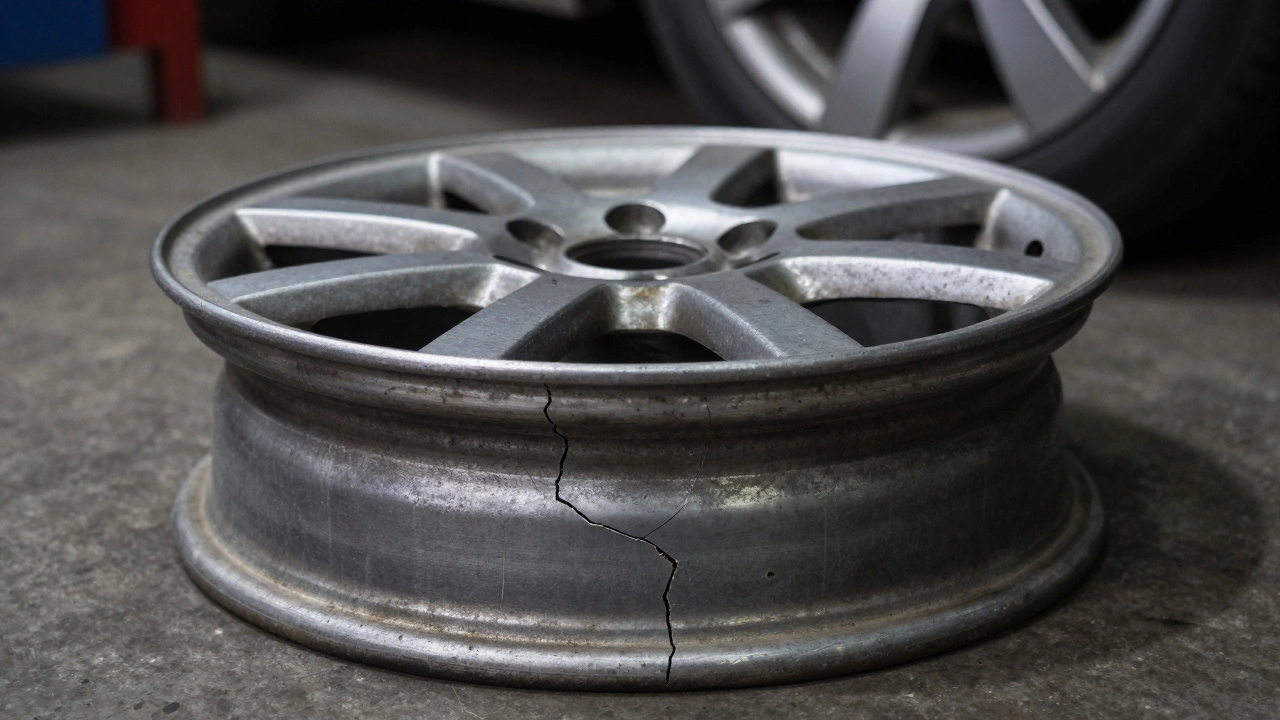
Alloy wheels are made from aluminum mixed with other metals like magnesium. That makes them lighter than steel, but also more brittle. Hit a pothole just right, and instead of bending like steel, alloy wheels can crack or split. You might not even notice it right away, but that tiny fracture can grow over time. By the time you feel the vibration or notice a slow leak, the damage is often too deep to fix.
Steel wheels flex under pressure. Alloy wheels? They break. Mechanics see this all the time. A customer comes in saying their car feels wobbly. They assume it’s a tire issue. It’s not. It’s a hairline crack on the inner lip of the rim. That’s a $300+ repair-or replacement-because welding alloys is tricky and rarely holds long-term.
Repair Is Harder and More Expensive
Fixing a bent steel wheel? A shop can hammer it back into shape in under an hour. Fixing a cracked alloy wheel? It’s not that simple. You need a specialized repair shop with TIG welders and balancing equipment. Even then, the repair might not be reliable. Many shops won’t even attempt it if the crack is near the valve stem or if the wheel has been run flat.
And the cost? You’re looking at $150 to $400 per wheel just to repair it. Compare that to a steel wheel, which costs $50 to replace. If you’ve got four alloys and two are damaged? You’re talking $600 minimum just to get back on the road. And that’s if you’re lucky enough to find a shop that will even try.
They’re More Susceptible to Corrosion
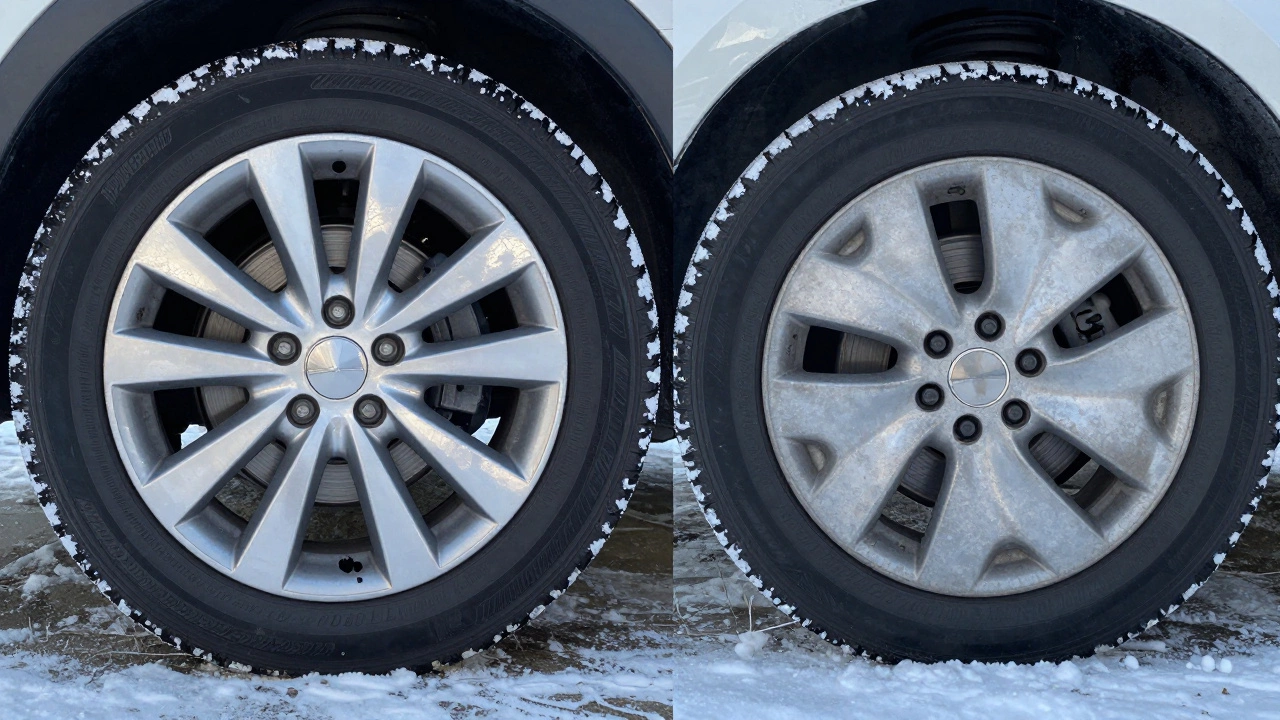
Alloy wheels don’t rust like steel, but they do corrode. Road salt, brake dust, and even moisture can eat away at the surface over time. The clear coat that gives them that shiny finish? It chips. Once it’s gone, the metal underneath starts to flake. You’ll see white or gray powdery buildup around the spokes. That’s not dirt. That’s corrosion.
And once it starts, it spreads fast. Especially in winter climates. I’ve seen wheels from cars in Minnesota that looked like they’d been sandblasted after just two seasons. Cleaning helps, but it doesn’t stop it. You need a fresh coat of sealant every year. Most people don’t do it. And then the wheel becomes unsightly-and structurally weaker.

They Cost More to Begin With
Let’s be honest: alloy wheels aren’t cheap. Even basic aftermarket sets run $150 to $300 per wheel. Factory alloys on a new car? Add $1,000 to $3,000 to the price tag. That’s not just the wheel. It’s the tire, the balancing, the installation, and sometimes even the warranty upgrade.
Steel wheels? You can buy a full set for under $200. And if you crash one? Replacing it doesn’t break the bank. Alloy wheels are a luxury upgrade. And like any luxury, you pay for the look-and the fragility.
They Wear Tires Faster
Lighter wheels mean better handling. But they also mean less dampening. Steel wheels absorb some of the road shock. Alloy wheels? They transmit it directly to the tire. That means more stress on the tire’s sidewall and tread. Over time, that leads to uneven wear, especially if your alignment is off by even a little.
One mechanic I talked to said he sees alloy-wheel owners replacing tires 20% sooner than steel-wheel owners. That’s not because the tires are lower quality. It’s because the wheels are stiffer. If you drive on rough roads, gravel, or unpaved driveways, that difference adds up fast.
They’re Heavier to Replace
Here’s something nobody talks about: if you get a flat and need to swap in a spare, most cars with alloys don’t come with a full-size spare. They come with a tiny donut. Why? Because alloy wheels are heavier. A full-size steel spare weighs about 30 pounds. A full-size alloy spare? 45 pounds or more. That’s why manufacturers skip it.
So if you get a flat on a remote road, you’re stuck with a donut. And if you blow out two tires? You’re out of luck. You can’t drive on a donut for more than 50 miles, and you can’t mix tire sizes. You need a tow. Steel-wheel cars? You can swap in the spare and drive to the next town.
They’re Harder to Clean
Alloy wheels look stunning when clean. But they’re a nightmare to maintain. Brake dust sticks to them like glue. It’s made of metal particles from the pads, and it bonds to the surface. Regular car wash soap won’t cut it. You need special cleaners. And you have to scrub. Hard.
Most people just rinse them off. That leaves residue. Over time, that residue eats into the finish. You end up with dull, stained wheels that look worse than steel ones. And if you use the wrong cleaner? You can strip the clear coat. One wrong spray bottle and your $800 set of rims looks like junk.
They’re Not Ideal for Off-Road or Winter Use
If you drive on dirt roads, snow, or gravel regularly, alloys are a bad choice. The edges are sharp. They hit rocks and curbs and crack. Snow tires? They’re heavy and aggressive. Putting them on alloys? You’re asking for trouble.
Winter drivers know this. Most people who live in snowy areas switch to steel wheels with winter tires. Why? Because steel handles abuse. It bends. It doesn’t break. And if it does? It’s cheap to fix. Alloy wheels? They’re designed for smooth pavement and Sunday drives. Not potholes, ice, or plowed snow piles.
Bottom Line: It’s About Trade-Offs
Alloy wheels aren’t bad. They’re just not perfect. They look better, handle better, and save a little fuel. But they’re fragile, expensive to fix, and harder to maintain. If you live in a city with smooth roads and don’t mind spending extra on repairs, they’re fine.
But if you drive on rough roads, live where winters are harsh, or just want to avoid surprise repair bills? Stick with steel. Or at least keep a spare set of steel wheels for winter and weekend drives. It’s not glamorous. But it’s practical.
Can you repair a cracked alloy wheel?
Yes, but only in some cases. Small cracks away from the wheel’s structural areas can be welded using TIG welding. But repairs aren’t always reliable. If the crack is near the valve stem, the bead seat, or if the wheel was driven on while flat, most shops won’t repair it. Even when repaired, the wheel may not hold pressure long-term. Replacement is often the safer option.
Do alloy wheels affect fuel economy?
Yes, but slightly. Alloy wheels are lighter than steel wheels, which reduces unsprung weight. This can improve fuel efficiency by 1% to 3% in real-world driving. The effect is more noticeable in city driving and with smaller vehicles. But the gain is small enough that it shouldn’t be the main reason to choose alloys.
Are alloy wheels more prone to curb damage?
Absolutely. Because alloy wheels are rigid and have thinner lips, they’re more likely to crack or chip when you scrape a curb. Steel wheels bend and usually bounce back. Alloy wheels don’t. Even a minor scrape can leave a visible mark or a hidden crack that leads to a slow leak later.
Should I use winter tires on alloy wheels?
It’s not recommended. Winter tires are aggressive and often have metal studs or thick treads that increase the risk of rim damage. Plus, road salt and ice accelerate corrosion on alloys. Most drivers use cheaper steel wheels for winter tires to avoid damaging their expensive alloys. It’s a smart cost-saving move.
How often should I clean alloy wheels?
Every 2 to 4 weeks, especially if you drive in cities or during winter. Brake dust builds up quickly and can etch into the finish if left too long. Use a dedicated alloy wheel cleaner-never harsh household cleaners. After cleaning, apply a sealant every 3 to 6 months to protect the surface.
Do alloy wheels affect ride comfort?
Yes. Because they’re stiffer and transmit more road vibration, alloy wheels can make the ride feel harsher, especially on rough surfaces. Steel wheels absorb more shock, which leads to a smoother ride. If comfort is your priority, steel wheels-even with the same tire-will feel better.