Spark Plug Lifespan & Replacement Estimator
Enter your current vehicle details to estimate the optimal replacement interval for your spark plugs.
There is a specific sound that tells you your spark plugs are past their prime. It’s not a loud bang or a screech; it’s a subtle shudder when you’re idling at a red light, or a slight hesitation when you press the accelerator to overtake on the motorway. Many drivers ignore these signs until the check engine light pops up, but waiting for that dashboard warning is often too late. By then, you might already be burning fuel inefficiently or putting unnecessary strain on your ignition coils.
The question "how often" doesn't have a single answer because it depends entirely on what kind of plugs you have and how you drive. In Bristol, where stop-and-go traffic mixes with high-speed runs on the M4/M5, wear patterns can vary wildly between drivers. This guide breaks down the real-world intervals, the differences between copper and iridium plugs, and the specific symptoms that mean you need to act now.
Key Takeaways: The Short Answer
- Copper Spark Plugs: Replace every 30,000 to 50,000 miles. These are older technology found in many pre-2010 vehicles.
- Platinum Spark Plugs: Last longer, typically 60,000 to 100,000 miles. Common in mid-range modern cars.
- Iridium Spark Plugs: The longest-lasting option, often rated for 100,000+ miles. Standard in most new European cars.
- Check Your Manual: Always prioritize your vehicle manufacturer's specific schedule over general rules.
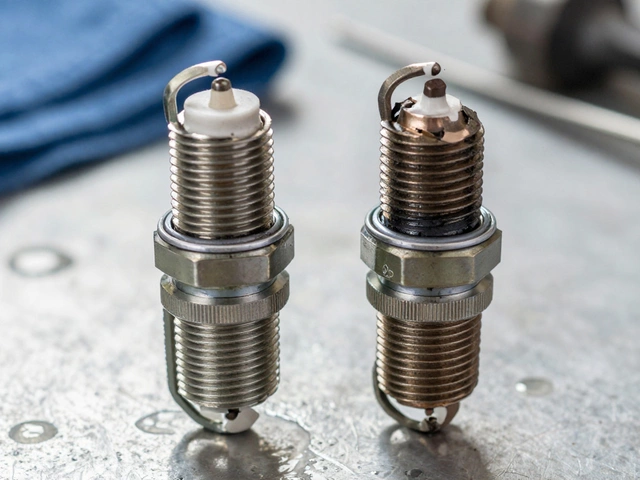
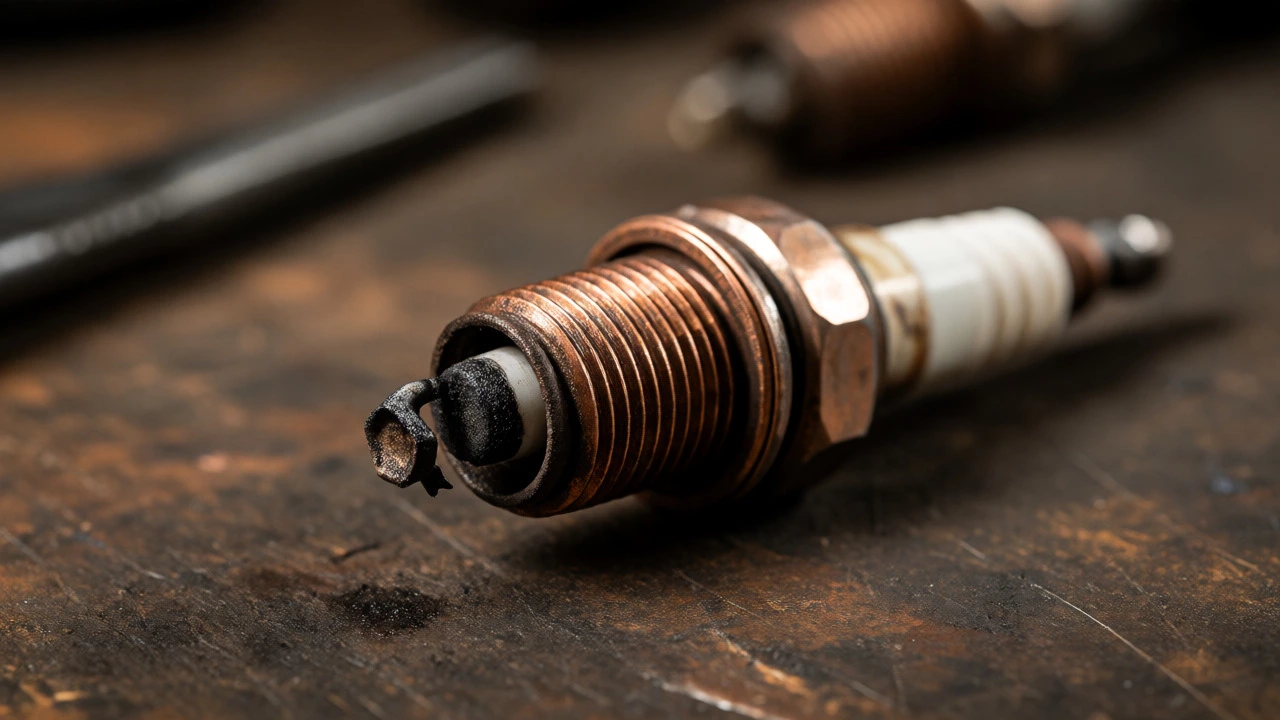
- Visual Inspection: If you see white deposits, cracked insulators, or excessive gap wear, replace them regardless of mileage.
Why Spark Plug Material Changes Everything
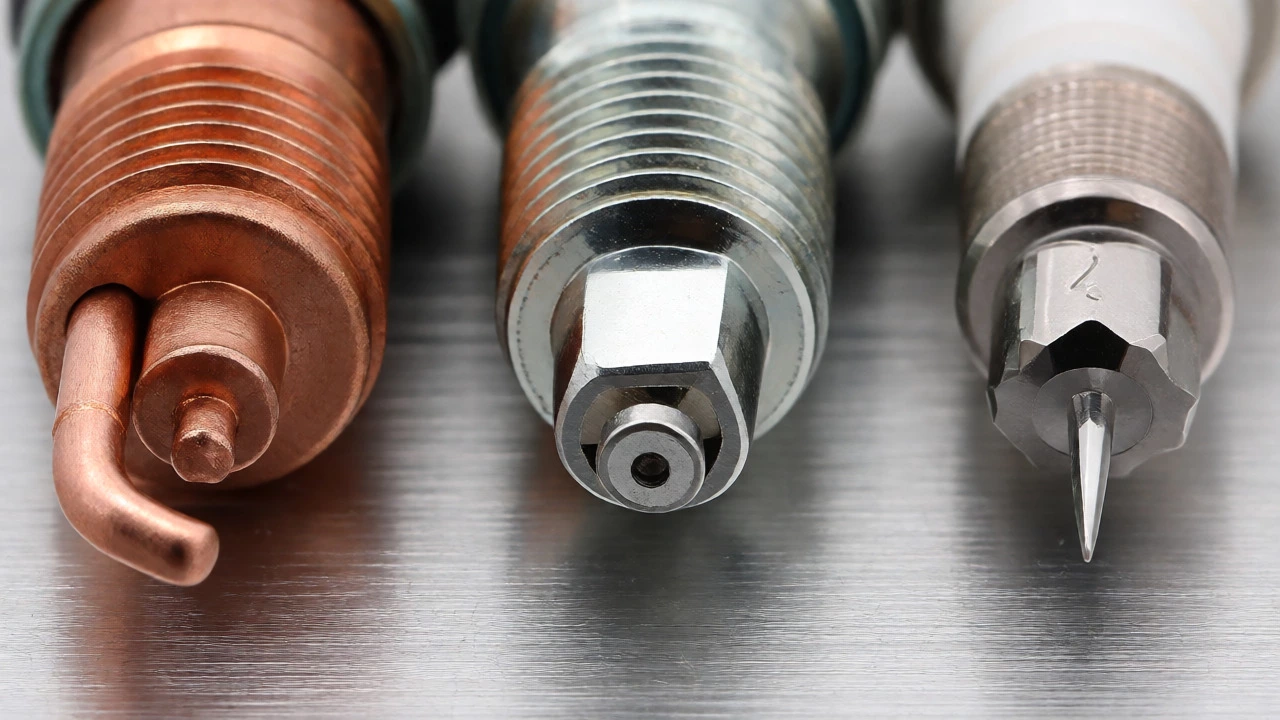
You might think all spark plugs are created equal, but the metal used on the electrode tip dictates its lifespan. Think of it like footwear: some shoes last a few months, others years. Copper plugs have a soft core that conducts heat well but wears down quickly under the intense pressure and temperature of combustion. They are cheap to buy but require frequent labor costs for replacement.
Platinum plugs use a platinum pad on the center electrode. Platinum is much harder than copper, resisting erosion from the electrical arc. This extends life significantly. Then there is Iridium. Iridium is six times harder and eight times stronger than platinum. Because it is so durable, manufacturers can make the electrode tip thinner (often around 0.4mm). A thinner tip requires less voltage to jump the gap, which improves efficiency and reduces stress on the ignition system.
| Plug Type | Typical Lifespan (Miles) | Best For | Cost Factor |
|---|---|---|---|
| Copper Core | 30,000 - 50,000 | Older engines, turbocharged applications needing frequent changes | Low part cost, higher labor frequency |
| Single Platinum | 60,000 - 80,000 | Standard daily drivers, non-turbo engines | Moderate part cost, moderate labor |
| Double Platinum | 80,000 - 100,000 | Vehicles with waste spark ignition systems | Higher part cost, lower labor frequency |
| Iridium / Ruthenium | 100,000+ | Modern high-performance and economy cars | High part cost, lowest labor frequency |
Driving Habits That Kill Spark Plugs Early
Your owner's manual gives you a number, say 60,000 miles. But if you live in a city with heavy congestion, that number might need to be cut in half. Why? Because carbon fouling accumulates faster when an engine doesn't reach optimal operating temperatures regularly. Short trips where you never get above 20 mph prevent the exhaust gases from getting hot enough to burn off carbon deposits on the plug tips.
Towing heavy loads or driving aggressively also shortens lifespan. When you push the engine hard, cylinder pressures spike. This forces the spark to jump a wider effective gap against denser air-fuel mixtures. The increased energy demand erodes the electrode material faster. If you frequently drive spiritedly or tow boats and trailers, inspect your plugs at half the recommended interval. Don't wait for the failure.
Signs Your Spark Plugs Are Failing
Before you pull out your spanner, listen to your car. The symptoms are distinct if you know what to look for.
- Rough Idling: Your car shakes or vibrates excessively while stopped. This usually means one or more cylinders aren't firing efficiently.
- Slow Acceleration: You press the gas, and the car feels sluggish or hesitant. The engine struggles to generate power because combustion isn't happening at the right time.
- Poor Fuel Economy: If your miles-per-gallon drops noticeably without a change in driving style, incomplete combustion is likely wasting fuel.
- Hard Starting: The engine cranks longer than usual before catching. Weak sparks struggle to ignite cold, dense fuel mixtures.
- Engine Misfires: You feel a sudden jerk or stumble during acceleration. This is dangerous and can damage your catalytic converter if left unchecked.
A critical point here: a misfiring cylinder dumps unburnt fuel into the exhaust stream. This raw fuel overheats the catalytic converter, potentially turning a £50 spark plug job into a £500+ repair bill. Catching it early saves serious money.
Can You Change Them Yourself?
If you have basic mechanical aptitude, changing spark plugs is one of the easiest DIY jobs. However, modern engines are tighter than they used to be. On many transverse-mounted engines, reaching the rear cylinders requires removing the intake manifold or other components. Check forums for your specific car model before buying parts.
Here is the golden rule for installation: Torque matters. Over-tightening can crack the ceramic insulator or strip the aluminum threads in the cylinder head. Under-tightening allows compression leaks and causes the plug to vibrate loose, damaging the threads. Use a torque wrench set to the manufacturer's specification (usually 15-25 Nm for most passenger cars).
Also, remember the gapping. While most modern plugs come pre-gapped, shipping and handling can alter this distance. Use a wire gauge tool to verify the gap matches your service manual exactly. Even a 0.1mm difference can affect performance.

What Happens If You Ignore It?
Some drivers treat spark plugs as "out of sight, out of mind." They drive until the car barely moves. What actually happens inside the engine is progressive degradation. As the electrode wears down, the gap widens. The ignition coil must generate higher voltage to bridge this larger gap. Eventually, the coil reaches its limit and fails to fire consistently.
This leads to two major problems. First, the ignition coils themselves burn out due to the extra load. Replacing coils is far more expensive than plugs. Second, the unburnt fuel washes oil off the cylinder walls, increasing friction and wear on pistons and rings. You are effectively aging your engine prematurely.
When to Replace All vs. One
Should you replace just the bad one or the whole set? Always replace the full set. Spark plugs wear at similar rates. If one has failed, the others are close behind. Mixing old and new plugs creates uneven combustion timing across cylinders, leading to vibration and poor performance. Plus, since you've already done the hard work of accessing the engine bay, doing all four, six, or eight takes only minutes more.
Consider replacing the air filter at the same time. Dirty filters restrict airflow, causing richer mixtures that foul plugs faster. Doing both ensures your engine breathes cleanly and ignites reliably.
Can I clean dirty spark plugs instead of replacing them?
You can clean lightly fouled plugs with a wire brush or compressed air, but this is a temporary fix. Once the electrode is worn or the insulator is cracked, cleaning won't restore performance. Modern fine-wire plugs are delicate and can break easily if scrubbed too hard. Replacement is almost always the better long-term choice.
Do electric cars have spark plugs?
No, fully electric vehicles do not have internal combustion engines, so they do not use spark plugs. Hybrid cars, however, still have gasoline engines and therefore require spark plug maintenance, though their usage may be lower depending on how often the engine runs.
Is it safe to drive with a bad spark plug?
Short distances are generally safe, but prolonged driving with a bad plug risks damaging the catalytic converter and ignition coils. If you experience severe shaking, loss of power, or a flashing check engine light, stop driving immediately to prevent costly engine damage.
How much does it cost to change spark plugs?
In the UK, parts typically range from £10 to £40 per plug depending on the type. Labor costs vary by garage and accessibility, often adding £50-£150 for a full set. DIY replacement eliminates labor costs but requires proper tools like a torque wrench.
Does using premium fuel help spark plugs last longer?
Premium fuel contains detergents that can keep injectors and valves cleaner, which indirectly helps reduce carbon buildup on plugs. However, it does not significantly extend the physical lifespan of the plug electrodes compared to regular fuel if the engine is otherwise healthy.