
Wiper Blade Selector Tool
Answer a few questions to find the best wiper match for your specific driving conditions.
Your Recommended Choice:
Quick Guide: What to Look For
- Size: Check your owner's manual or measure the old blade. A blade that's too long will hit the frame; too short leaves blind spots.
- Material: Rubber is cheap and standard, while silicone lasts longer and resists UV damage.
- Type: Traditional frames are budget-friendly, while beam blades offer better pressure and a sleeker look.
- Connection: Ensure the adapter matches your wiper arm (J-hook, Side Pin, or Pinch Tab).
Matching the Blade Type to Your Driving Habits
Not all wipers are built for the same job. If you only drive 10 miles a day in a sunny suburb, a basic frame blade is fine. But if you're commuting through heavy storms, you'll want something more robust.
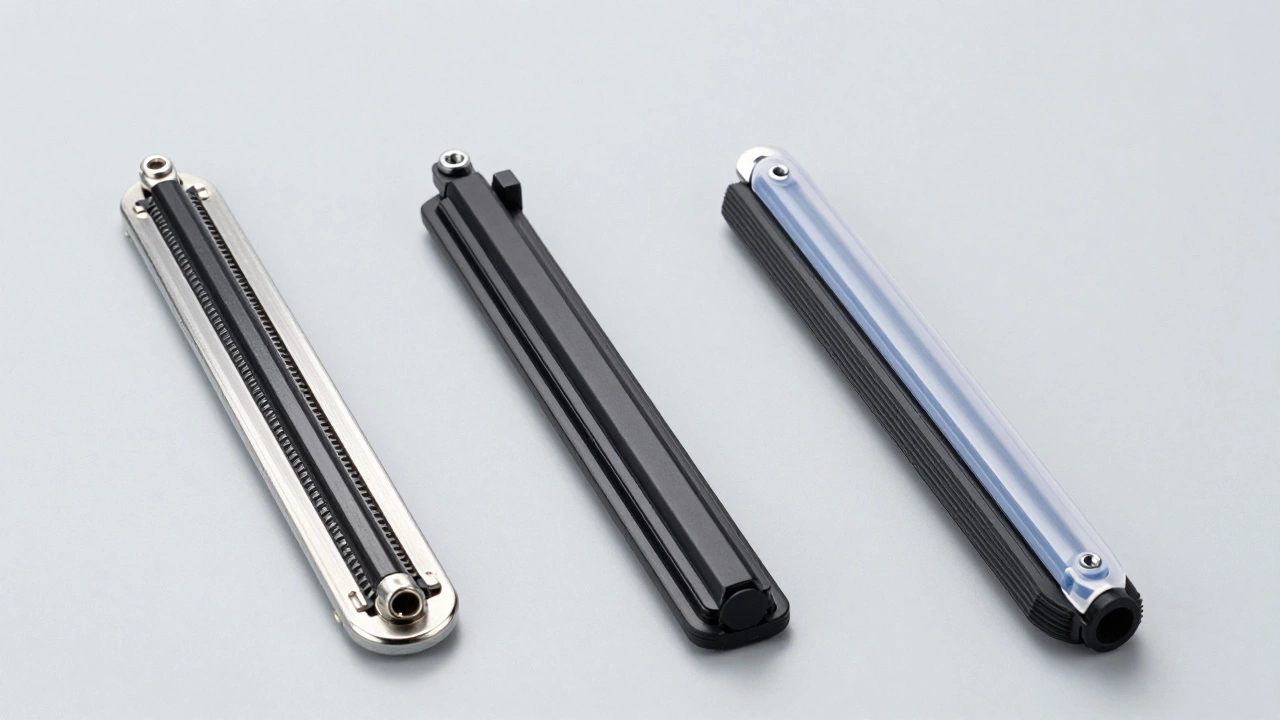
The old-school Traditional Beam Wipers (often called conventional blades) use a metal frame to push the rubber against the glass. They are affordable and easy to find. However, they often struggle with "wind lift"-where the blade lifts off the glass at high speeds on the motorway-and the metal parts can rust or freeze in winter.
If you want a better fit, look at Beam Wper Blades. These have no external metal frame. Instead, they use a single solid piece of spring steel that creates uniform pressure across the entire length of the blade. They're much better for high-speed driving and look a lot more modern. Because there's no frame to clog with ice, they're a lifesaver in freezing temperatures.
Then there are Hybrid Wiper Blades. These basically combine the strength of a traditional frame with the aerodynamics of a beam blade. They have a plastic shell covering the frame, which protects the metal from corrosion and helps the blade stay pressed against the glass at 70 mph.
| Feature | Traditional Frame | Beam Blades | Hybrid Blades |
|---|---|---|---|
| Price | Lowest | Mid-High | Medium |
| Durability | Low | High | Medium-High |
| High-Speed Performance | Poor | Excellent | Good |
| Winter Performance | Poor (can freeze) | Excellent | Good |
Getting the Size Exactly Right
If you buy a 24-inch blade for a 22-inch slot, you're going to have a bad time. The blade will either overlap the other wiper or hit the side of the bonnet. The first place to look is your vehicle's manual. If that's gone, the easiest way is to remove your old blade and measure it with a tape measure from end to end.
Keep in mind that most cars have different sizes for the driver and passenger sides. Don't assume they're the same. For example, a common setup for a hatchback might be 26 inches for the driver and 18 inches for the passenger. If you get these swapped, the passenger blade will leave a huge strip of rain right in your line of sight.
Understanding Rubber vs. Silicone
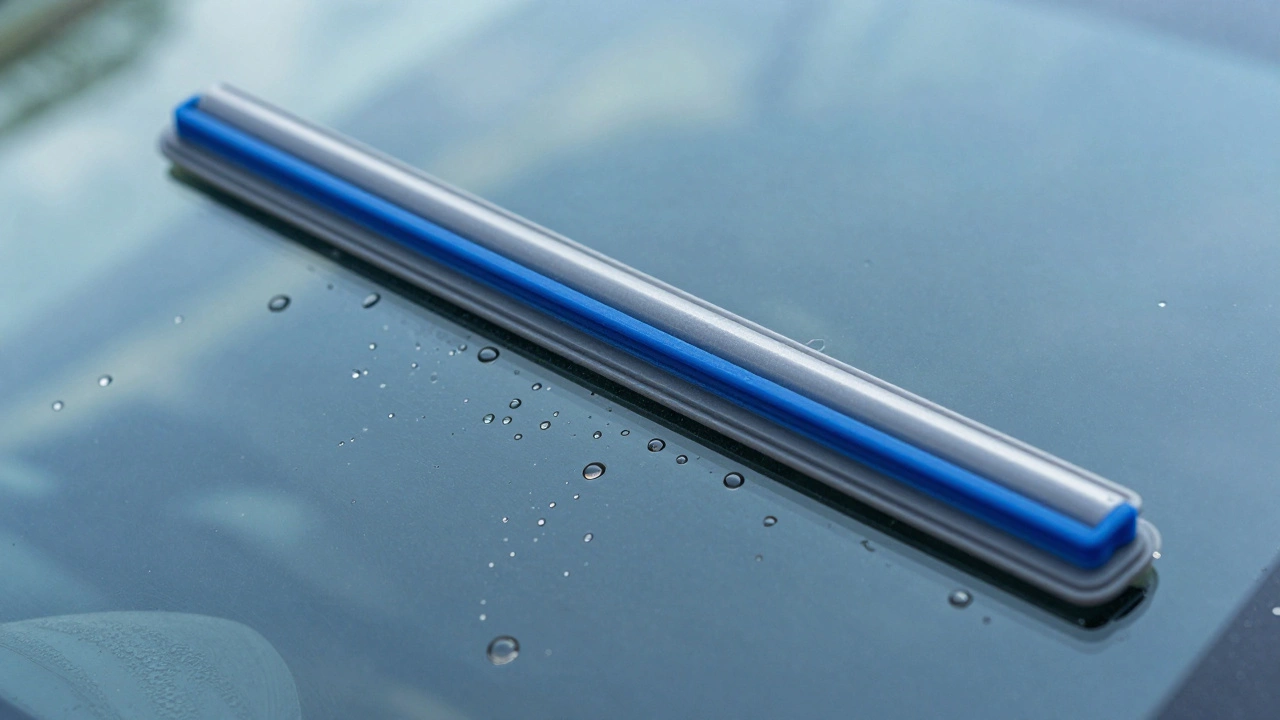
The "meat" of the wiper is what actually does the work. Standard Natural Rubber is the most common. It's soft and quiet, but it degrades quickly under the sun. If you live in a place with harsh summers, you'll notice rubber blades getting stiff and cracking after about six months.
On the other hand, Silicone is a game-changer. It's significantly more resistant to heat and UV rays, meaning it stays flexible for much longer. Some silicone blades even come with a "hydrophobic" coating. This means as the wiper moves, it leaves a thin layer of water-repellent material on the glass. Water beads up and flies off the windscreen much faster, which is a massive safety boost when visibility is low.
Dealing with the Connection Problem
This is where most people get stuck. You buy the right size, but it won't click onto the arm. Most cars use a J-Hook connector-the classic curved metal arm. If you have this, almost any blade will work.
However, many newer cars, especially European brands like BMW or Audi, use Side Pin or Pinch Tab connectors. These are specific locks that don't use the hook method. When shopping, check if the pack includes "multi-adapters." These are small plastic pieces that let one blade fit five different types of arms. If the pack doesn't have adapters and you don't have a J-hook, don't buy them.
When to Actually Replace Them
Don't wait for the blades to actually fall off. There are a few red flags that mean you need windscreen wiper blades immediately:
- Streaking: You see lines of water remaining on the glass after the wiper passes.
- Chattering: The blade "jumps" or vibrates across the glass instead of sliding smoothly.
- Squeaking: A high-pitched noise that usually means the rubber has hardened and is rubbing against the glass.
- Gaps: If you look at the blade and see chunks of rubber missing, it's done.
A good rule of thumb is to change them every six to twelve months. If you park your car outside in the winter, the ice can tear the rubber, and the summer sun can bake it. A quick check every spring is the best way to avoid a disaster during the first autumn storm.
Pro Tips for a Better Wipe
Replacing the blades is only half the battle. If your windscreen is covered in road grime and oil, even brand-new blades will streak. Before you install new ones, give your glass a deep clean with a dedicated glass cleaner. Avoid using harsh dish soaps, as they can leave a film that attracts more dirt.
Also, check your Wiper Fluid levels. Using a low-quality water-only mix can lead to calcium buildup on the glass, which acts like sandpaper on your new rubber blades. Use a fluid with a proper cleaning agent and an anti-freeze additive if you're in a cold climate.
Can I use the same size wiper for both sides?
Usually, no. Most car manufacturers design the driver's side wiper to be longer to provide a wider field of vision. Using the same size often results in the driver's side leaving a gap or the passenger's side hitting the car's body.
Do expensive blades actually last longer?
Generally, yes, if they are made of silicone. While a cheap rubber blade might last 6 months, a high-quality silicone beam blade can often last 18 to 24 months without significant degradation.
What causes that annoying screeching sound?
Screeching is usually caused by "dry friction." This happens when the rubber has hardened due to age or UV exposure, or when there's a layer of grime on the glass. Cleaning the glass or replacing the blades usually fixes this.
Should I buy a set or individual blades?
It's best to buy a set. Since both blades are exposed to the same weather and age at the same rate, they usually fail around the same time. Replacing only one often leaves you with a noticeable difference in clearing quality between the two sides.
Do beam blades work better in the snow?
Yes, because they don't have the external metal framework that traditional blades have. This means there are fewer places for ice and snow to build up and jam the mechanism.
Next Steps for Your Car
If you've just installed new blades but still see streaks, check the tension of your wiper arm. Sometimes the spring in the arm weakens over time, meaning it doesn't push the blade hard enough against the glass. You can't easily fix this with a new blade; you might need to replace the arm itself.
For those who drive in extreme conditions, consider adding a rain-repellent treatment to the glass. This works in tandem with your wipers to push water off the windscreen faster, reducing the amount of work your blades have to do and extending their lifespan.