
Fuel Pump Troubleshooter & Safety Guide
Select all symptoms you are experiencing:
Follow this decision tree to find a potential temporary fix:
If you cannot start the car, choose the correct towing method to avoid destroying your transmission.
Estimate the total cost of replacing your fuel pump assembly.
Click each myth to reveal why it's dangerous:
Pour Gas in Intake
Click to see why this is dangerous
Kick the Tank
Click to see reality
Use Starting Fluid
Click to see risks
Your car won't crank over. The dashboard lights are on, the battery is charged, but when you turn the key, there's just silence or a weak sputter. You suspect the fuel pump has failed. It’s a frustrating spot to be in, especially if you're stranded on the side of the road or in an empty parking lot. The immediate question isn't "how do I fix it right now?" because you likely can't. The real question is: "Can I get this car moving enough to reach a mechanic or my driveway?"
The short answer is usually no. A modern fuel-injected engine relies entirely on precise fuel pressure to run. If the pump is dead, the engine starves. However, depending on *why* the pump isn't working-whether it's the pump itself, the relay, the fuse, or the wiring-you might be able to trick the system into running long enough for a tow truck to arrive or to limp home at very low speeds. This guide breaks down the reality of starting a car with a bad fuel pump, the safe workarounds that actually work, and the dangerous myths you should avoid.
Understanding Why Your Car Won't Start
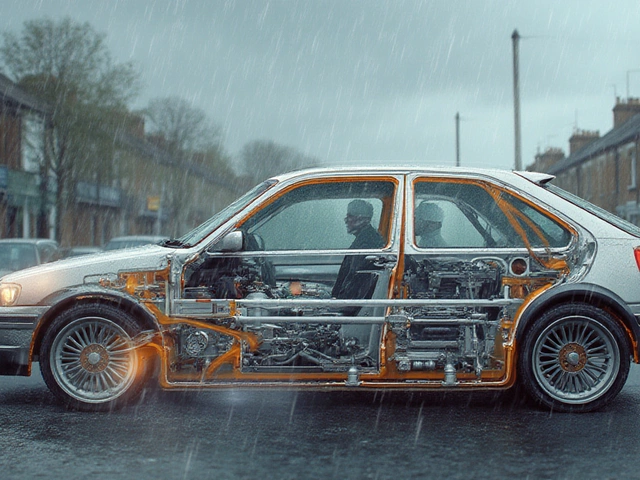
Before trying any tricks, you need to confirm that the fuel pump is indeed the culprit. Many drivers assume a no-start condition means a dead pump, but it could be a simple electrical glitch. A fuel pump is an electric motor submerged in the gas tank, pushing fuel through lines to the engine under high pressure. If it stops, the engine gets nothing.
Start by listening. Turn the key to the 'On' position (before cranking). Do you hear a faint whirring sound from the rear of the car for about two seconds? That’s the pump priming. If you hear nothing, check the basics first:
- The Fuse: Locate your fuse box (usually under the hood or dash) and check the fuel pump fuse. If it’s blown, replace it. This is the most common easy fix.
- The Relay: Fuel pumps often have a dedicated relay. Swap it with another identical relay (like the horn or AC relay) to see if the pump wakes up.
- The Inertia Switch: Some older cars have a safety switch that cuts fuel after a collision. Check if it popped and reset it.
If the fuse and relay are good, but the pump still doesn’t hum, the motor inside the pump may have burned out, or the wiring harness leading to the tank is damaged. At this point, you are dealing with a mechanical failure that requires physical intervention.
Can You Jump-Start the Fuel Pump?
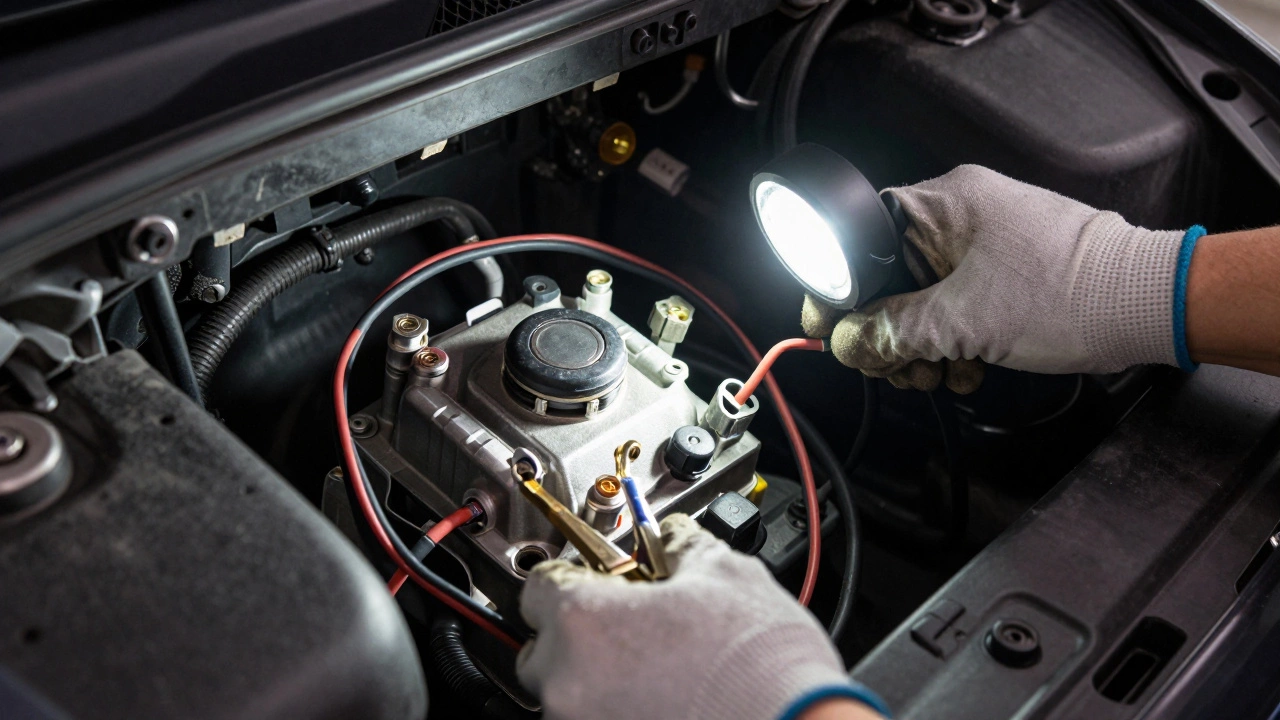
One of the most effective temporary fixes is bypassing the vehicle’s internal control module to send direct power to the pump. This works if the pump motor is still functional but the signal to turn on is broken. This process involves connecting jumper wires directly to the fuel pump connector.
Note: This requires basic automotive knowledge and caution. Working near gasoline vapors carries fire risk. Ensure the area is well-ventilated and no sparks are present.
- Locate the Access Panel: Most vehicles have a small panel under the rear seat or in the trunk that gives access to the top of the fuel tank where the pump module sits.
- Disconnect the Connector: Unplug the electrical connector from the fuel pump. You will see two main wires: one positive (power) and one negative (ground).
- Identify the Wires: Use a multimeter to determine which wire is ground. The other is the power feed.
- Create a Bypass: Take a jumper wire. Connect one end to the positive terminal of your battery. Connect the other end to the positive wire of the fuel pump connector. Connect a second jumper wire from the battery negative to the pump ground wire.
- Test: When you connect the final wire, you should hear the pump run. Keep it connected while you attempt to start the engine.
If the pump runs and the car starts, you’ve confirmed the pump is alive but the car’s computer or wiring is failing to tell it to work. You can drive carefully to a shop with these wires attached, but be aware that vibration could disconnect them. This is not a permanent fix, but it is a viable emergency strategy.
The Manual Pressure Method (For Older Cars)
If you own an older vehicle with a carburetor or a mechanical fuel pump (mounted on the engine block rather than in the tank), the rules change slightly. These systems don’t rely on electricity for the primary fuel delivery. Instead, they use engine vacuum or a camshaft-driven lever.
In some cases, you can manually prime the system. Look for a primer bulb on the fuel line. Squeeze it repeatedly until it feels hard. This forces fuel through the lines. For mechanical pumps, sometimes tapping the side of the pump gently with a hammer handle can free a stuck diaphragm. While rare in cars made after the mid-1990s, this technique is valid for classic cars and trucks. If your car is modern, skip this section; forcing fuel into a high-pressure injection system manually is impossible and dangerous.
What About Pouring Gasoline Directly Into the Intake?
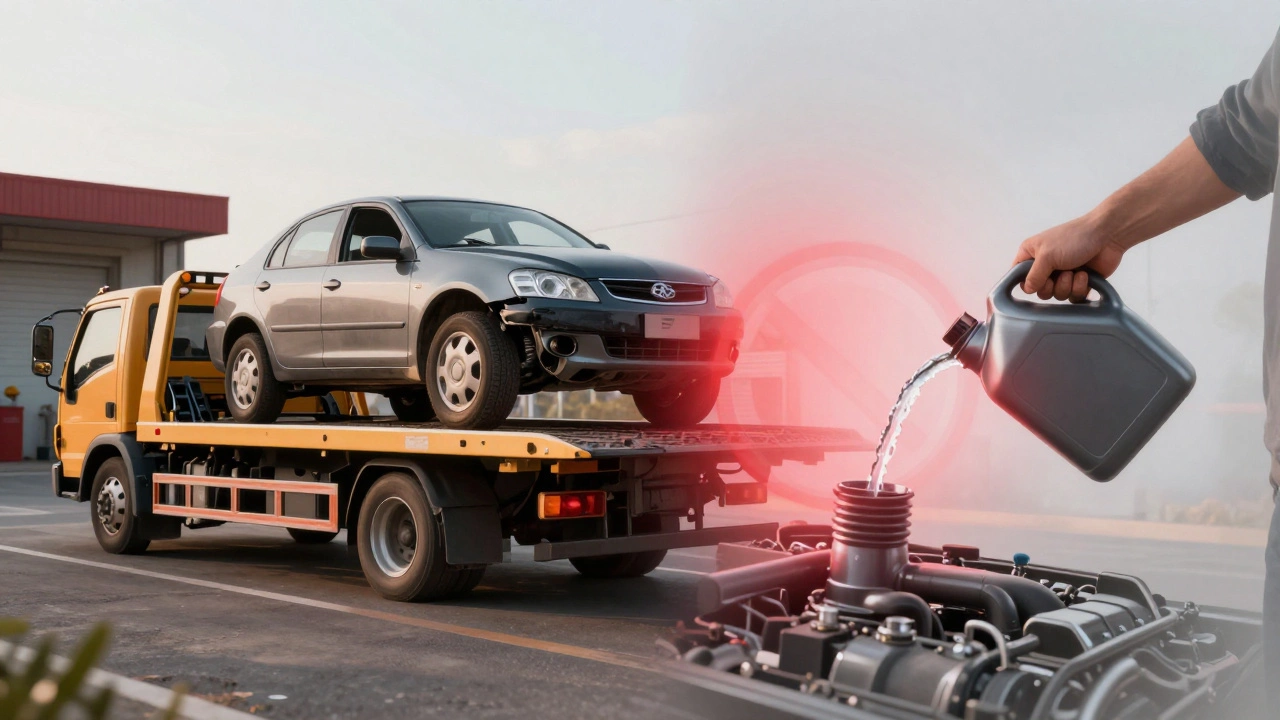
You may have seen movies or old forums suggest pouring gasoline directly into the air intake manifold to start a car with a bad fuel pump. Do not do this.
This method is incredibly dangerous and ineffective for modern engines. Modern engines use Electronic Fuel Injection (EFI), which meters fuel precisely based on oxygen sensors and mass airflow data. Dumping raw gas into the intake floods the cylinders, fouls the spark plugs instantly, and can cause hydro-lock (where liquid fuel prevents pistons from moving, bending rods). Furthermore, the risk of igniting gasoline vapors near hot exhaust components creates a serious fire hazard. Even if it did start, the engine would run poorly and stall immediately once the excess fuel burned off. Save yourself the headache and the potential trip to the hospital.
Towing vs. Driving: Making the Right Call
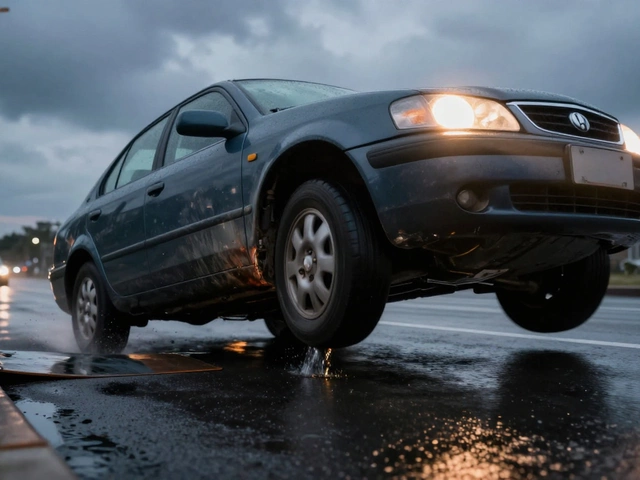
If the jump-wire method fails, your fuel pump is truly dead. You cannot drive the car. But can you tow it? This depends on your transmission type.
| Transmission Type | Towing Method | Risk Level |
|---|---|---|
| Manual | Flatbed or Wheels-Up (Clutch Depressed) | Low (if clutch depressed) |
| Automatic | Flatbed Only | High (if wheels touch ground) |
| CVT/Hybrid | Flatbed Only | Critical (Internal damage likely) |
Never tow an automatic transmission car with the drive wheels on the ground for more than a few miles at low speed. The transmission needs the engine running to circulate fluid. Without the engine running, the fluid stops moving, friction builds, and you’ll destroy the transmission. Always call for a flatbed tow truck if the fuel pump is dead and you have an automatic transmission.
Temporary Fixes That Don't Work
In the panic of a breakdown, people try everything. Here are three common myths that waste time and money:
- Kicking the Tank: Kicking the bottom of the car might dislodge debris clogging the pickup screen, but it won’t fix a burnt-out motor. It’s worth a gentle kick if you suspect sediment, but don’t expect miracles.
- Adding Starting Fluid: Ether-based starting fluid can help a cold engine start, but it does not replace fuel pressure. It might get the engine to fire for a second, but it will die immediately. It also risks damaging oxygen sensors and catalytic converters due to unburned fuel washing through the system.
- Jumping the Starter: Connecting the starter solenoid directly to the battery makes the engine crank faster, but if there’s no fuel, cranking harder does nothing but drain the battery and overheat the starter motor.
When to Replace vs. Repair
Fuel pumps rarely fail completely without warning. Often, you experience symptoms like hesitation during acceleration, whining noises from the rear, or difficulty starting on hot days. If you manage to get the car started using the bypass method, drive gently to a repair shop. Avoid high RPMs and heavy loads.
Once at the shop, the technician will likely measure fuel pressure with a gauge. If pressure is zero, the pump is replaced. In some cases, the issue is the fuel filter, which is clogged and starving the pump. Replacing the filter is cheap and easy. Always replace the fuel filter when replacing the pump to ensure the new unit lasts. Modern fuel pumps are sealed units; you cannot repair the internal motor. You must replace the entire assembly.
Safety First: Handling Fuel Lines
If you attempt any DIY troubleshooting, remember that fuel systems operate under high pressure (40-60 PSI in most cars). Never disconnect fuel lines while the system is pressurized. Relieve pressure by removing the fuel pump fuse and running the engine until it stalls. Wear safety glasses and keep a fire extinguisher nearby. Gasoline vapors are heavier than air and can travel along the ground to ignition sources. Ventilation is non-negotiable.
Knowing how to diagnose a bad fuel pump saves you from being stranded. By checking fuses, relays, and potentially bypassing the electrical connection, you might gain enough mobility to reach safety. But remember, if the pump motor is dead, no amount of trickery will bring it back to life. Call for professional help, choose the right towing method, and let the experts handle the replacement.
Can I drive my car with a bad fuel pump?
No, you cannot safely drive a car with a completely failed fuel pump. The engine will not receive fuel and will stall immediately. If the pump is intermittent, you might drive briefly, but the risk of sudden stalling in traffic is dangerous. If you manage to start it via a bypass, drive only to the nearest safe location or mechanic at low speeds.
How much does it cost to replace a fuel pump?
The cost varies widely depending on the vehicle. Parts typically range from $100 to $500. Labor can add $150 to $400, as accessing the pump often requires dropping the fuel tank or removing interior seats. Total costs usually fall between $300 and $900.
Will a bad fuel pump damage the engine?
A completely dead fuel pump generally does not damage the engine internally because the engine simply won't run. However, a failing pump that delivers inconsistent pressure can cause lean conditions, leading to overheating and potential damage to pistons and valves over time. Running the engine dry (without fuel) can also wear out the pump itself since fuel cools the motor.
Can a clogged fuel filter mimic a bad fuel pump?
Yes, absolutely. A severely clogged fuel filter restricts flow, causing symptoms identical to a bad pump: hard starting, stalling, and loss of power. Always check and replace the fuel filter before assuming the pump is dead, as filters are much cheaper and easier to replace.
Is it safe to pour gasoline into the intake to start the car?
No, it is highly unsafe and not recommended. It poses a significant fire hazard and can flood the engine, fouling spark plugs and potentially causing hydro-lock. Modern electronic fuel injection systems are not designed to handle raw fuel dumping and will likely shut down immediately.