Fuel Injector Diagnostic Checker
Select the symptoms you are experiencing below to get an instant diagnosis.
Recommended Next Steps:
You’re cruising down the M5, or maybe just stuck in traffic near Bristol Temple Meads, and your car starts to feel... off. It’s not quite dying, but it’s definitely not happy. The engine shudders when you’re stopped at lights, or perhaps you’ve noticed the price of petrol hitting your wallet harder than usual. Before you rush to the mechanic and get quoted for a new fuel injector a nozzle that delivers fuel into the engine's combustion chamber, let’s figure out if that’s actually the culprit. A bad injector can mimic other issues, so knowing exactly what to look for saves you time and money.
| Symptom | What It Feels Like | Likely Cause |
|---|---|---|
| Rough Idle | Engine shakes or stalls at red lights | Clogged or leaking injector |
| Poor Acceleration | Hesitation or stumbling when pressing gas | Insufficient fuel delivery |
| Check Engine Light | Code P0300-P0308 (Misfire codes) | Imbalanced air-fuel mixture |
| Fuel Smell | Strong smell of petrol after starting | Leaking seal or stuck open valve |
The Most Obvious Red Flags
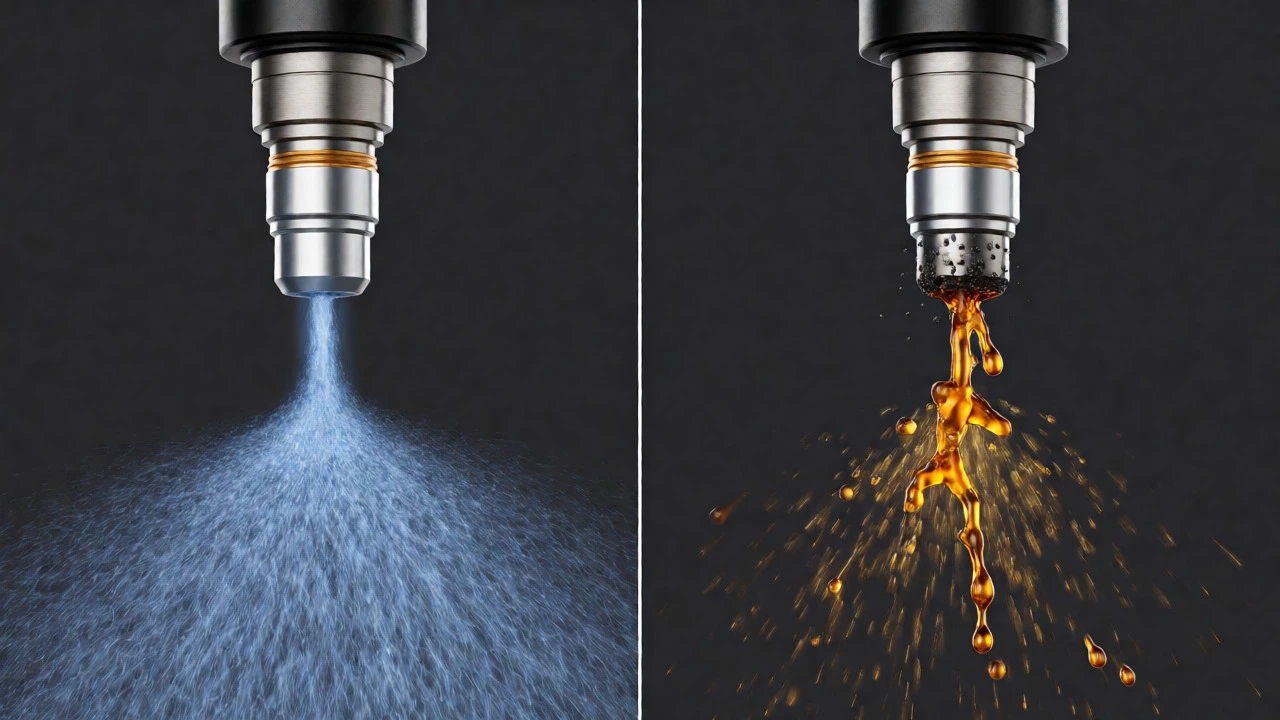
The first thing most drivers notice is how the car behaves when it’s idling. If your engine the main power source of the vehicle feels like it’s having a seizure while you’re waiting for the traffic light to change, that’s a classic sign. A healthy engine hums smoothly. A struggling one vibrates through the steering wheel and pedals. This usually happens because one or more injectors aren’t spraying fuel evenly. Some might be clogged with carbon deposits, starving the cylinder, while others are dripping fuel continuously, flooding their respective cylinders.
Then there’s the acceleration issue. You press the pedal expecting a surge of power, but instead, the car hesitates. It stumbles. It feels like it’s trying to take a deep breath but can’t quite get enough air-or in this case, fuel. This hesitation often gets worse under load, like when you’re climbing a steep hill or overtaking on the motorway. If the injector is partially blocked, it can’t deliver the extra fuel needed for high-demand situations, causing the engine to run lean and stumble.
Checking Your Fuel Efficiency
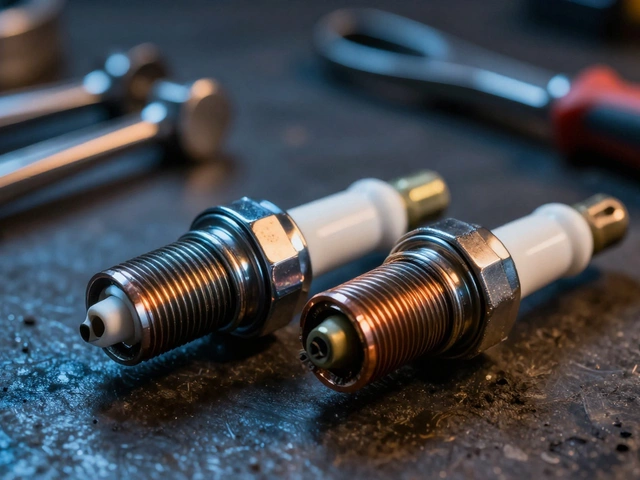
Keep an eye on your mileage. If you find yourself visiting the petrol station more frequently without changing your driving habits, something is wrong. A faulty injector often fails by sticking in the "open" position. Instead of spraying a fine mist of fuel that burns efficiently, it leaks raw liquid fuel into the cylinder. This doesn’t burn well; it just passes through the exhaust or fouls the spark plugs. You’re literally pouring money out of the tailpipe.
To test this, try resetting your trip meter and driving a consistent route for a week-say, your daily commute from Clifton to Bedminster. Compare the miles per gallon against your historical average. A drop of 10-15% is significant. While things like tire pressure or a dirty air filter component that cleans incoming air before it enters the engine can affect economy, a sudden, sharp drop is often tied to fuel delivery issues. If the car also runs roughly, the link to the injectors becomes even stronger.
Decoding the Check Engine Light
Your dashboard is smarter than you think. When the check engine light indicator warning driver of potential engine problems comes on, don’t ignore it. Modern cars monitor every cylinder’s performance. If one cylinder isn’t firing correctly because it got too much or too little fuel, the system logs a misfire code. Codes like P0300 (random misfire) or specific ones like P0301 (cylinder 1 misfire) point directly to the problem area.
You don’t need a professional scanner to see this. Many auto parts stores offer free diagnostic scans. Or, you can buy a cheap OBD-II reader online for under £20. If you see misfire codes that move around between cylinders, it could be a general fuel quality issue or a failing fuel pump. But if the code stays on the same cylinder repeatedly, swap the spark plug and ignition coil to that cylinder. If the misfire moves with the plug/coil, the injector is likely fine. If the misfire stays on the original cylinder, you’ve almost certainly found a bad injector.

Physical Inspection and Smells
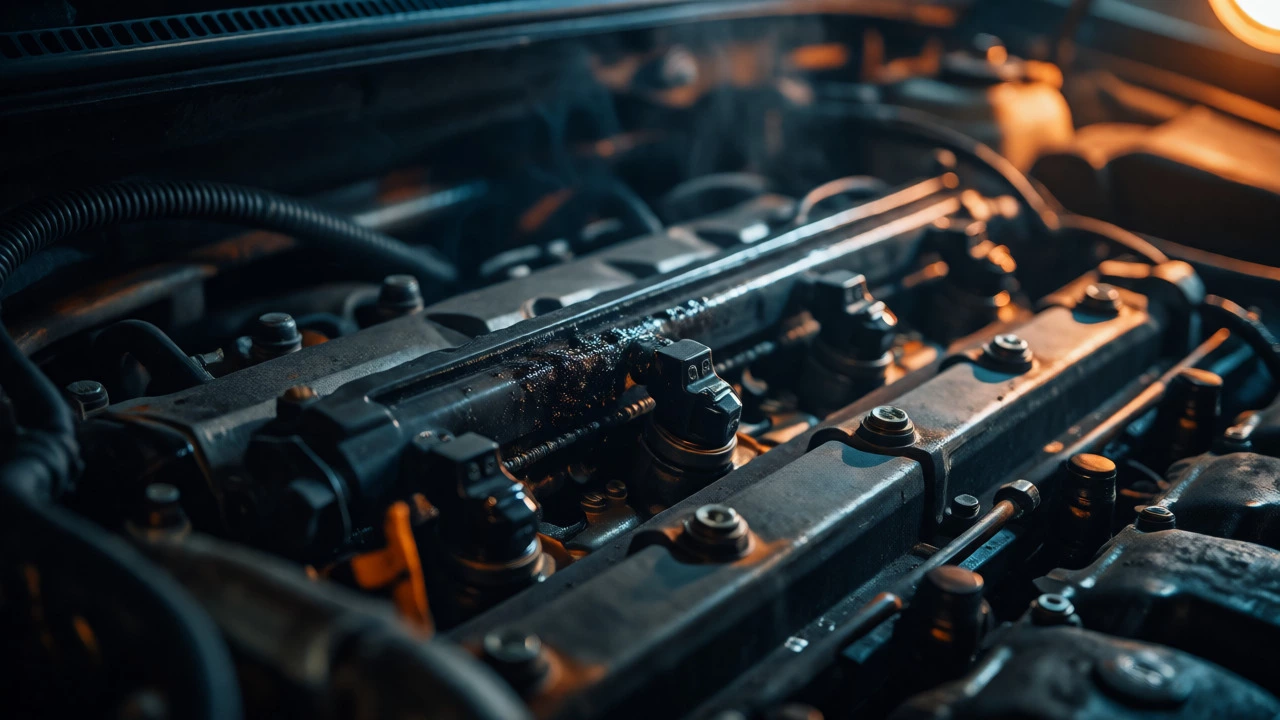
Sometimes, you can spot trouble with your nose and eyes. After driving for a bit, pop the hood (carefully, engines get hot). Look for wet spots around the fuel rail where the injectors sit. A leaky injector seal or a cracked body will leave visible traces of petrol. Petrol evaporates quickly, so look for dark, oily residue rather than fresh puddles.
Also, sniff the exhaust. A normal exhaust smells faintly of burnt fuel. A bad injector, especially one that’s leaking, produces a strong, raw gasoline smell, particularly when the engine is cold or idling. This unburnt fuel can also damage your catalytic converter over time, turning a £100 injector repair into a £500+ converter replacement. Don’t let it go too long.
Distinguishing Injectors from Other Parts
Here’s where it gets tricky. A weak fuel pump device that moves fuel from tank to engine can cause similar symptoms, like poor acceleration and hard starting. How do you tell them apart? Listen. A failing fuel pump often makes a whining noise from the rear of the car (where the tank is) when you turn the key to the 'on' position. Injectors are silent unless they are mechanically rattling due to extreme wear, which is rare.
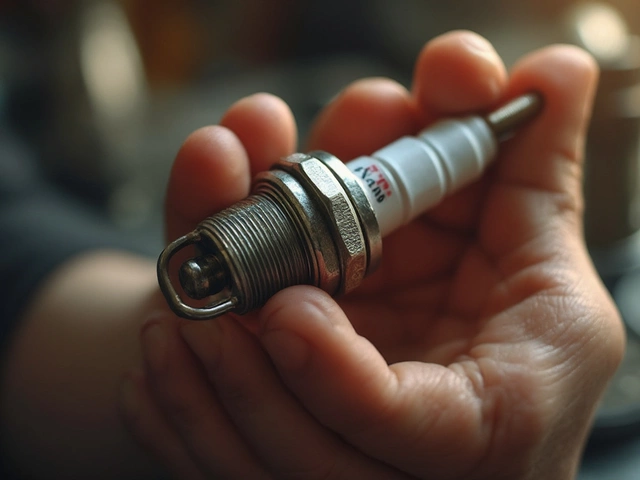
Another common confusion is with the spark plugs components that ignite the air-fuel mixture. Worn spark plugs cause misfires too. The difference? Spark plug issues usually worsen gradually as the electrodes wear down. Injector issues can appear suddenly, especially after using low-quality fuel or sitting unused for months. If you recently changed your spark plugs and the rough idle persists, shift your focus to the injectors.
DIY Tests vs Professional Diagnosis
Can you fix this yourself? Maybe. There are fuel additive cleaners available at any garage. Pouring a bottle of high-quality injector cleaner into a near-empty tank and filling up can sometimes clear minor clogs. It’s a cheap first step (£10-£15). However, if an injector is mechanically stuck open or closed, no amount of chemical cleaning will fix it. The internal solenoid or piezo element has failed.
For a definitive answer, mechanics use a few methods. They might perform a "balancing test," disconnecting each injector one by one while the engine runs. If the engine RPM drops significantly when you unplug a specific injector, it was working hard. If nothing changes, that injector wasn’t doing its job. Another method is checking fuel rail pressure. Low pressure points to the pump or filter; stable pressure with rough running points to the injectors.
When to Replace vs Clean
Not all bad injectors need replacing. If they are simply dirty, ultrasonic cleaning services exist. These machines vibrate the injectors in a solvent bath, blasting away carbon buildup. This costs less than buying new units. However, if your car has high mileage (over 100,000 miles), the internal seals may have hardened. Cleaning won’t restore elasticity to old rubber. In these cases, replacement is safer. Replacing all injectors at once is often recommended to ensure balanced performance across all cylinders, though some people replace them individually to save cash initially.
Consider the cost. New OEM injectors can range from £40 to £150 each, depending on your car model. Labor adds another £50-£100. Ultrasonic cleaning might cost £60-£80 for the set. If your injectors are under warranty or relatively new, cleaning is the smart bet. If they’re ancient, bite the bullet and replace them. Mixing old and new injectors can lead to uneven fueling, bringing back those rough idle symptoms.
Can I drive with a bad fuel injector?
Yes, but only for short distances. Driving with a bad injector risks damaging your catalytic converter due to unburnt fuel entering the exhaust system. It can also cause further engine wear. Keep trips brief and avoid heavy acceleration until repaired.
How much does it cost to fix a bad fuel injector?
In the UK, cleaning typically costs £60-£100. Replacement varies widely by vehicle, ranging from £40-£150 per part plus labor. Total bills for a full set replacement can exceed £500 for premium models, while budget cars might stay under £300.
Do bad fuel injectors affect starting?
Absolutely. If injectors are clogged, they may not spray enough fuel to start a cold engine. Conversely, if they leak, they flood the cylinders, making it hard to start until the excess fuel clears. Hard starting is a primary symptom of injector failure.
Will a fuel injector cleaner work?
It works for mild clogging caused by carbon deposits. It will not fix mechanical failures like a broken solenoid or torn seals. Use it as preventive maintenance or for minor symptoms, not as a cure-all for severe misfires.
How long do fuel injectors last?
Most modern injectors last between 50,000 and 100,000 miles. Quality fuel and regular maintenance extend this life. Poor fuel quality or frequent short trips (which prevent proper warm-up) shorten it.