
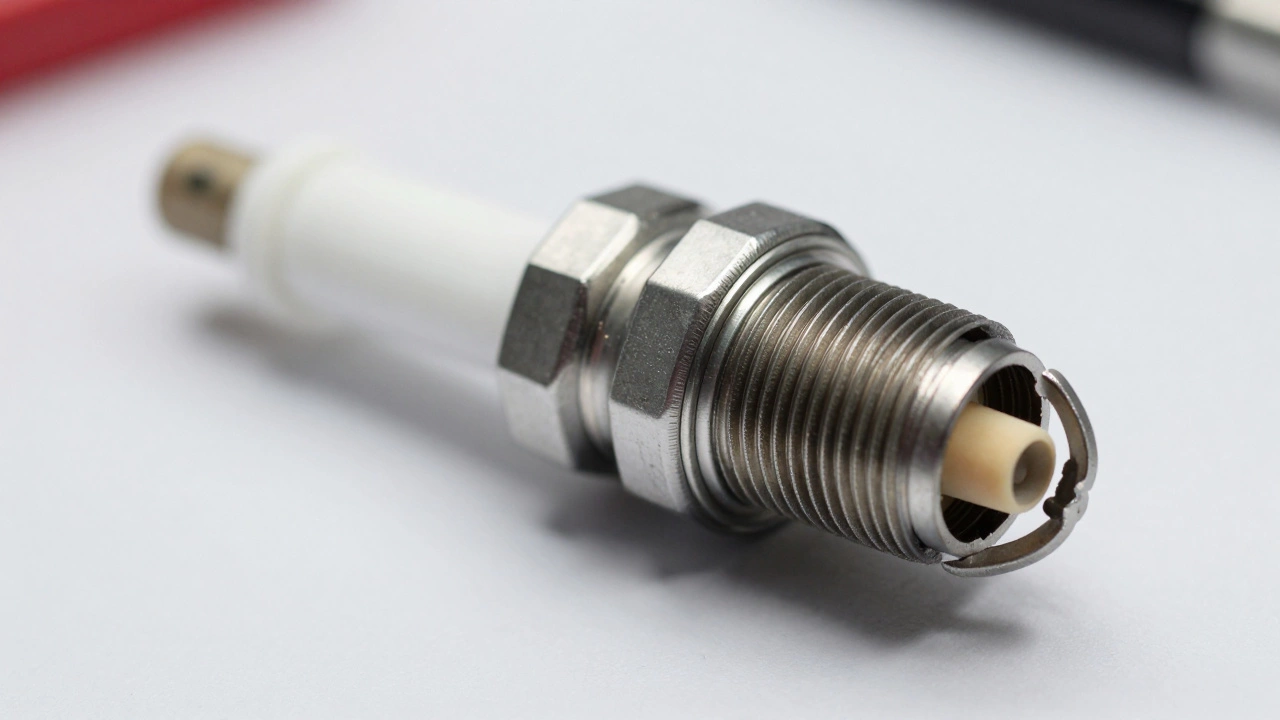
Spark Plug Condition Analyzer
Select the conditions you observe during your visual inspection to get a diagnosis.
There is nothing worse than starting your car only to hear it cough, sputter, and struggle to stay running. You check the fuel, you check the battery, but the culprit might be hiding in plain sight under the engine cover. It’s often just a worn-out spark plug. These small components are responsible for igniting the air-fuel mixture in your engine cylinders, and when they fail, your entire driving experience suffers. But how do you know if yours are still doing their job?
You don’t need a degree in mechanical engineering or expensive diagnostic tools to figure this out. With a socket wrench, some basic knowledge, and a keen eye, you can pull them yourself and determine their health in minutes. This guide will walk you through exactly what to look for, what those colors mean, and when it’s time to swap them out before they strand you on the side of the road.
The Quick Summary: What to Look For
- Electrode Gap: If the gap is too wide, too narrow, or uneven, replace the plug immediately.
- Color Code: A light tan or coffee-with-cream color indicates a healthy plug. Black soot means a rich mix; white ash means overheating.
- Physical Damage: Cracks in the ceramic insulator or melted electrodes are instant failures.
- Fouling: Oil deposits or carbon buildup prevent proper sparking.
Step 1: Removing the Spark Plug Safely
Before you can judge the condition of a spark plug, you have to get it out. This isn’t rocket science, but you do need to be careful. The first rule is safety: ensure the engine is completely cool. Hot engines can cause burns, and thermal expansion can make parts harder to remove.
Start by disconnecting the negative terminal of your battery. This prevents any accidental short circuits while you’re working near the ignition system. Next, locate the spark plug wires or coils. On modern cars, these are usually tucked away under plastic covers held down by screws or clips. Remove the cover gently-plastic gets brittle with age-and unplug the electrical connector. If you have older-style rubber boots, twist them slightly before pulling straight up to avoid damaging the seal.
Use a spark plug socket wrench that matches your plug size (usually 5/8 inch or 16mm). Insert a length extension if needed to reach deep into the cylinder head. Turn counter-clockwise to loosen. If it feels stuck, do not force it. Use penetrating oil and wait a few minutes. Once loose, unscrew it by hand and lift it out. Place each plug on a piece of cardboard labeled with its cylinder number (e.g., "Cylinder 1"). This helps you identify which specific cylinder is causing trouble if one looks different from the others.
Step 2: Inspecting the Electrode Gap
The most critical part of the spark plug is the gap between the center electrode and the ground electrode. This is where the spark jumps to ignite the fuel. Over time, the center electrode wears down, causing the gap to widen. If the gap is too wide, the spark may not jump at all, leading to a misfire. If it’s too narrow, the spark is weak and inefficient.
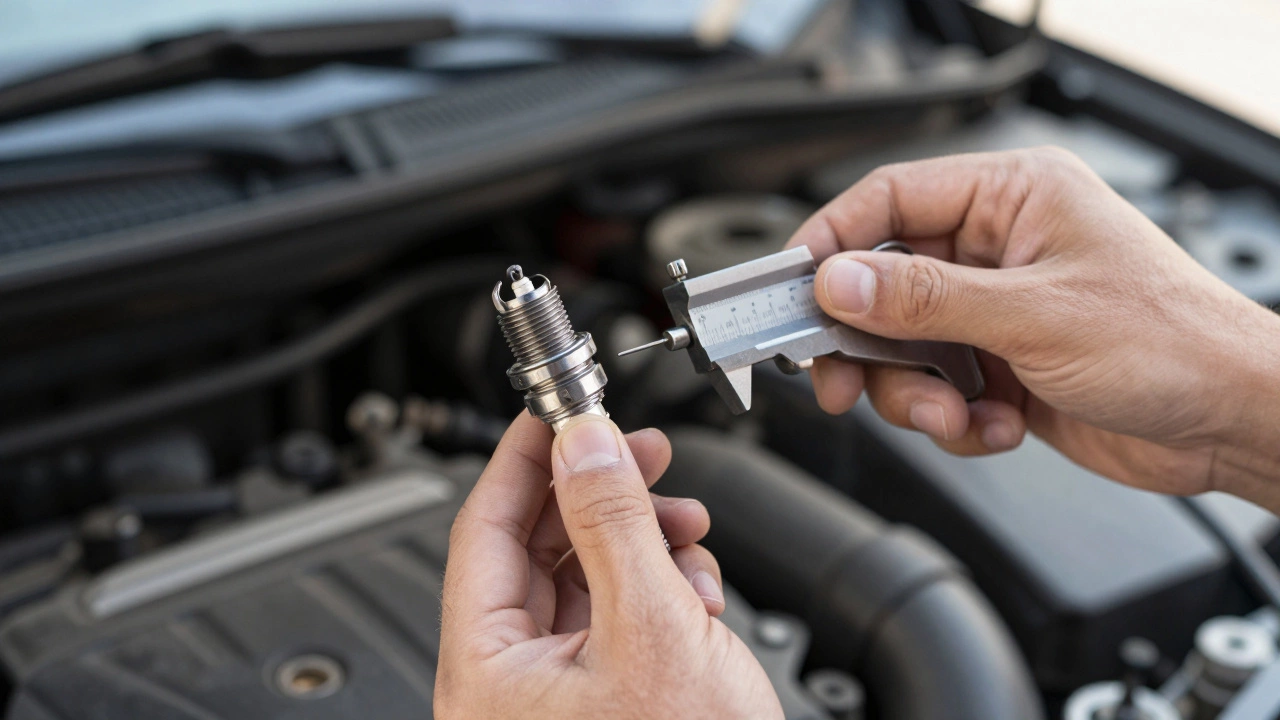
To check this, you’ll need a feeler gauge or a spark plug gap tool. These are inexpensive metal strips with varying thicknesses. Slide the correct thickness for your vehicle (check your owner’s manual or the back of the old box) into the gap. It should fit snugly with slight resistance. If you can easily slide a thicker gauge in, the gap is too wide. If the specified gauge doesn’t fit at all, the gap is too narrow.
Look closely at the edges of the electrodes. Are they rounded off? A new plug has sharp, distinct edges. Worn plugs look eroded. If the center electrode is significantly shorter than it was when new, or if the ground strap is bent out of shape, the plug has reached the end of its life. In many cases, if the gap is out of spec, you cannot simply bend it back. The material fatigue makes it unreliable. Replacement is the safer bet.
Step 3: Reading the Color Code
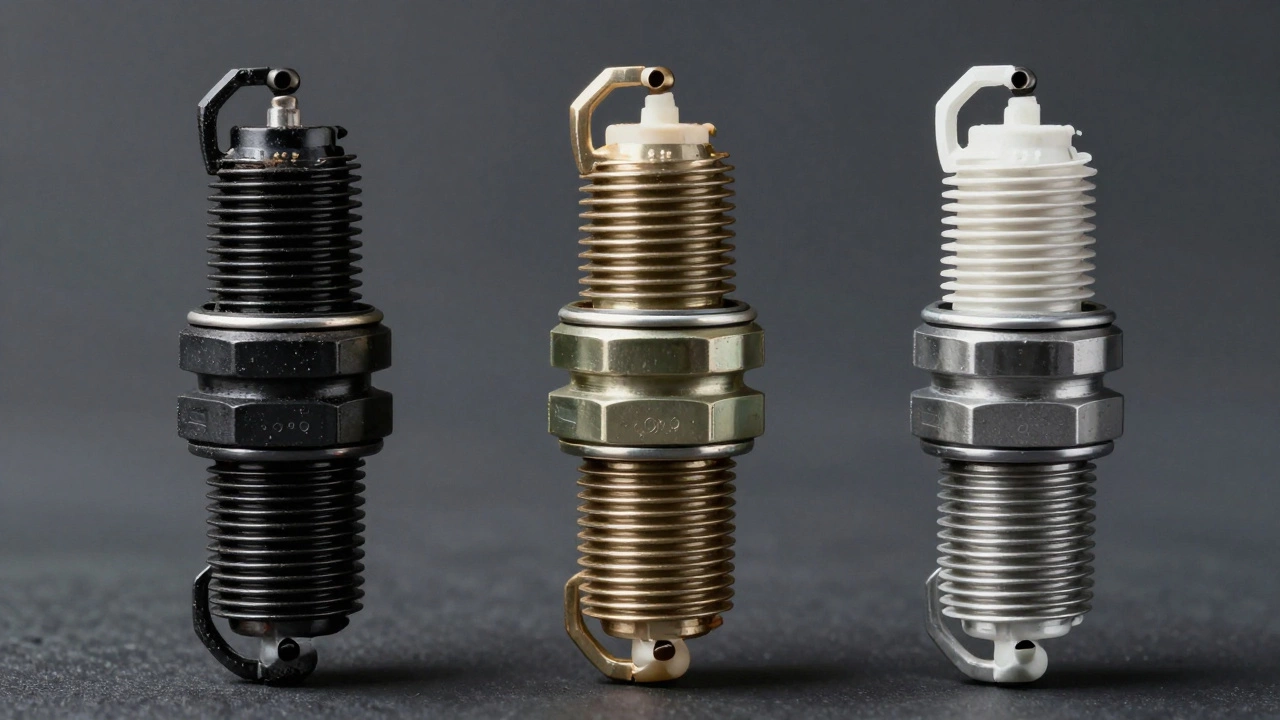
The color of the insulator nose (the ceramic part right above the electrodes) tells a story about your engine’s combustion process. Think of it as a diagnostic report card. Here is how to read it:
| Color/Appearance | Condition | Likely Cause |
|---|---|---|
| Light Tan / Coffee with Cream | Healthy | Normal combustion. The plug is working correctly. |
| Black / Sooty / Wet | Fouled | Rich fuel mixture, clogged injectors, or frequent short trips. |
| White / Chalky / Glazed | Overheated | Running too hot, lean fuel mixture, or incorrect heat range. |
| Oil Deposits | Oil Leak | Worn valve seals or piston rings allowing oil into the chamber. |
| Copper/Green Deposit Ring | Additive Issue | Excessive use of certain fuel additives or coolant leaks. |
If your plugs are that perfect light tan color, congratulations. Your engine is breathing well, burning fuel efficiently, and the plugs are likely still good for thousands of miles. However, if they are black and sooty, your engine is running "rich," meaning there is too much fuel and not enough air. This could be due to a dirty air filter, a failing oxygen sensor, or clogged fuel injectors. Short, cold drives also prevent the plugs from getting hot enough to burn off carbon, leading to fouling.
On the flip side, white or chalky plugs indicate overheating. This is dangerous. It can lead to pre-ignition (where the fuel ignites before the spark), which causes knocking and can damage pistons. This might happen if you’ve been towing heavy loads, driving aggressively in high temperatures, or if you installed plugs with a heat range that is too high for your engine.
Step 4: Checking for Physical Damage
Beyond color and gap, you need to inspect the physical integrity of the plug. Hold the plug up to the light and examine the ceramic insulator-the white porcelain body. Look for cracks. Even a hairline crack can allow voltage to leak to the ground instead of jumping across the electrode gap. This results in a weak spark or no spark at all.
Check the threads. Are they stripped? If the threads look damaged or cross-threaded, the plug won’t seat properly, leading to compression loss and potential head gasket issues. Also, look at the tip of the center electrode. Is it melted? Melted tips are a sign of extreme heat, often caused by detonation (knocking) or using the wrong type of plug for your engine’s compression ratio.
Another subtle sign is corrosion around the base of the plug where it meets the coil or wire. If you see green or white crusty residue, moisture has gotten into the connection. Clean it thoroughly with electrical contact cleaner, but consider replacing the plug if the internal resistor is compromised by water intrusion.
When to Replace vs. When to Keep
So, you’ve inspected the plug. It’s got a little wear, maybe a bit of carbon, but the gap is okay. Do you keep it? Here is the reality: modern iridium and platinum spark plugs last much longer than old copper ones. Some manufacturers claim 60,000 to 100,000 miles. However, "lasting" doesn’t always mean "performing optimally."
If the plug shows significant electrode erosion, even if the gap is technically within spec, the spark intensity drops. This leads to poorer fuel economy and higher emissions. If you notice your MPG has dropped slightly, or the car feels less responsive during acceleration, don’t ignore it. Replacing a set of spark plugs is relatively cheap compared to the cost of a tow truck or a repaired catalytic converter caused by unburnt fuel dumping into the exhaust.
A general rule of thumb: if more than 25% of the center electrode is worn away, replace it. If the color is anything other than light tan, investigate the underlying engine issue first, then replace the plugs. Never install used plugs. They are calibrated for specific gaps and conditions, and reusing them introduces variables you can’t control.
Common Mistakes to Avoid
While inspecting and reinstalling plugs, people often make errors that cause bigger problems. First, never drop dirt or debris into the cylinder hole when removing the plug. Even a tiny grain of sand can score the piston or valve seats. Cover the open ports with clean rags until you’re ready to insert the new plug.
Second, do not overtighten the new plugs. Spark plugs are delicate. Most require torque specifications between 10 and 20 foot-pounds. Overtightening can stretch the threads in the aluminum cylinder head, leading to catastrophic failure. Under-tightening allows heat to escape and causes poor sealing. Use a torque wrench if possible. If not, follow the manufacturer’s instructions carefully-usually a quarter-turn after finger-tight for gasket-seated plugs.
Finally, ensure you buy the correct plug for your vehicle. Not all spark plugs are interchangeable. Factors like thread pitch, reach, seat type, and heat range matter. Using the wrong plug can lead to immediate engine damage. Always consult your owner’s manual or a reputable parts database before purchasing.
Can I clean a fouled spark plug and reuse it?
Technically, yes, you can clean carbon buildup with a wire brush or solvent, but it is rarely recommended for modern vehicles. Cleaning removes the protective coating and can alter the electrode gap. More importantly, if a plug is fouled, there is an underlying engine problem (like a bad injector or vacuum leak) that will foul the cleaned plug again quickly. Replacement is safer and more cost-effective.
How often should I check my spark plugs?
For standard copper plugs, every 30,000 miles. For platinum or iridium plugs, every 60,000 to 100,000 miles, depending on the manufacturer. However, if you experience symptoms like rough idling, hard starting, or reduced acceleration, you should inspect them immediately regardless of mileage.
What does it mean if one spark plug looks different from the others?
If one plug is significantly darker, oilier, or damaged compared to the rest, it indicates a problem specific to that cylinder. Common causes include a leaking valve seal, a clogged fuel injector, or a misfiring ignition coil for that specific cylinder. This requires further diagnosis beyond just replacing the plug.
Can bad spark plugs damage my catalytic converter?
Yes. Misfiring spark plugs allow unburnt fuel to enter the exhaust system. This fuel can ignite inside the catalytic converter, causing it to overheat and melt internally. Replacing a catalytic converter is extremely expensive, so addressing spark plug issues promptly is crucial for protecting your wallet.
Do I need to reset the ECU after changing spark plugs?
In most cases, no. Modern engine control units (ECUs) automatically adapt to the new spark plugs within a few drive cycles. However, if your car had persistent misfires stored as error codes, you may want to clear the codes using an OBD2 scanner to ensure the ECU learns the new baseline performance.