Fuel Pump Pressure Diagnostic Tool Interactive
Input Data
Diagnostic Result
Reference Specifications (Gasoline Vehicles)
| Condition | Expected Range (PSI) | Indication |
|---|---|---|
| Key On, Engine Off | 40 - 60 | Pump builds initial pressure |
| Engine Running (Idle) | 40 - 60 | Regulator maintains steady flow |
| Engine Revving (2000 RPM) | 50 - 70 | Pump increases output under load |
Your engine sputters at idle or refuses to start after sitting in the garage. You check the spark plugs and they look fine. The battery is strong. Yet the car remains stubbornly silent. In many of these cases, the culprit isn't the ignition system but the fuel pump, an electric motor-driven device that transfers fuel from the tank to the engine's injectors. If this component fails, your car starves for gasoline or diesel, leading to hard starts, stalling, or complete no-start conditions.
Diagnosing a faulty pump doesn't always require a trip to the dealership. With basic tools and a methodical approach, you can verify if the pump is working correctly right in your driveway. This guide walks you through the most reliable ways to check fuel delivery, from simple listening tests to precise pressure measurements, helping you save time and money on unnecessary parts replacements.
Quick Summary / Key Takeaways
- Fuel Pressure Gauge is the gold standard for testing; it provides exact PSI readings against manufacturer specs.
- A Multimeter can verify if the pump receives power and ground when the ignition is turned on.
- The Stethoscope Method (or listening with a screwdriver) confirms mechanical operation without opening the fuel line.
- Always check the Fuel Filter first, as a clogged filter mimics a weak pump.
- Safety is critical: relieve fuel system pressure before disconnecting any lines to avoid spray-back.
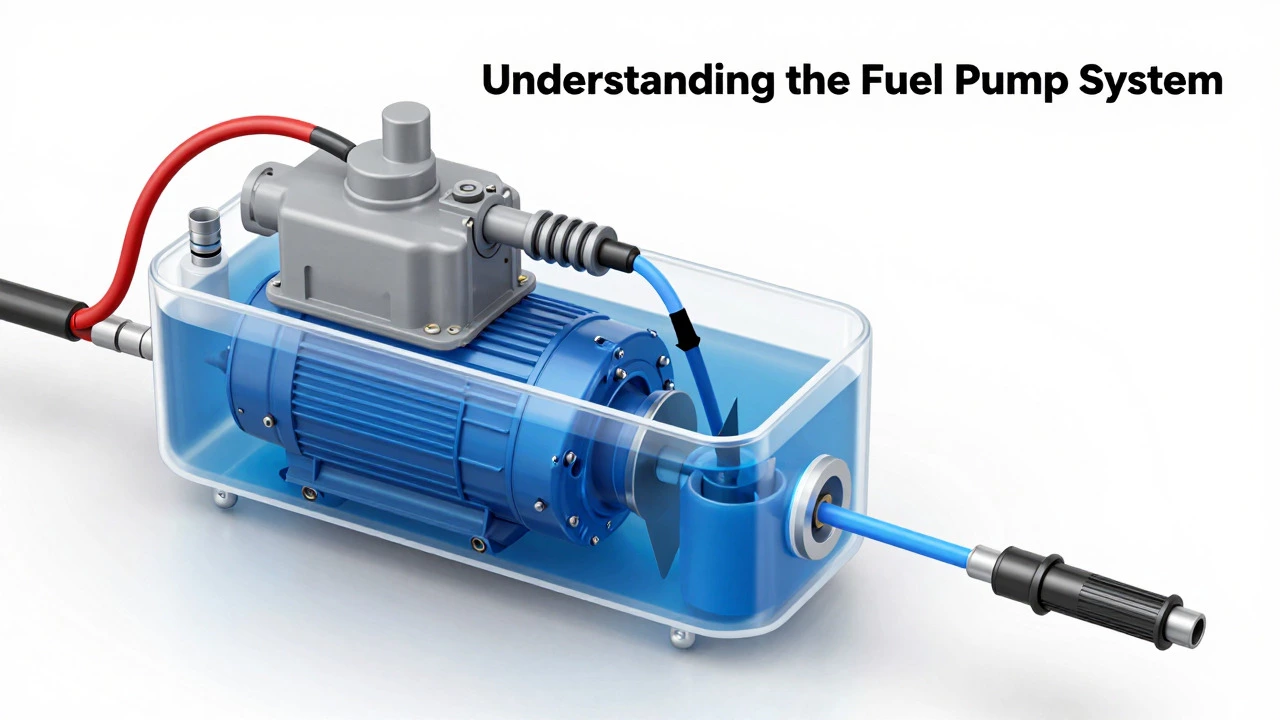
Understanding the Fuel Pump System
Before grabbing tools, it helps to know what you're dealing with. Most modern vehicles use an electric In-tank Fuel Pump located inside the gas tank. It draws fuel up through a pickup tube and pushes it through a high-pressure line to the engine. Older cars might have a mechanical pump driven by the camshaft, but those are rare today.
The pump operates under the control of the Engine Control Unit (ECU). When you turn the key to "On," the ECU sends a signal to the Fuel Pump Relay, which completes the circuit to the pump. This creates a brief hum or whirring sound lasting two to three seconds. If you hear nothing, the issue could be electrical (relay, fuse, wiring) rather than the pump itself. Understanding this sequence prevents you from replacing a perfectly good pump just because the relay failed.
Pre-Test Safety Checks and Preparation
Fuel systems operate under pressure. A typical gasoline system runs between 40 and 60 PSI (pounds per square inch), while diesel systems can exceed 100 PSI. Disconnecting a line without relief can result in a jet of fuel hitting your eyes or starting a fire. Always work in a well-ventilated area away from sparks.
- Relieve System Pressure: Locate the Schrader valve on the fuel rail (similar to a tire valve). Place a rag over it and press the pin with a small tool. Alternatively, remove the fuel cap and start the engine until it stalls naturally. Do not restart it.
- Gather Tools: You will need a set of wrenches, a multimeter, a 12V test light, and preferably a Fuel Pressure Tester kit. These kits usually include adapters for different vehicle connections.
- Check Fuses and Relays: Before assuming the pump is dead, pull the fuse box cover. Locate the fuel pump fuse and relay. Swap the relay with an identical one (like the horn relay) to see if the pump activates. If it does, replace the relay, not the pump.
Method 1: The Electrical Check (Voltage and Ground)
If you don't hear the pump humming when turning the key, the problem is likely electrical. Use a multimeter set to DC Volts. Find the connector leading to the fuel pump module. Back-probe the wire going to the pump motor (usually red or orange) while having an assistant turn the key to "On."
- Reading 12V: Power is reaching the pump. The issue is either a bad ground, a faulty pump motor, or a broken internal connection.
- Reading 0V: No power is arriving. Trace back to the relay and fuse. If the fuse is good and the relay clicks, check the wiring for breaks or corrosion.
Next, check the ground. Set the multimeter to resistance (Ohms). Touch one probe to the pump's ground wire and the other to a known good chassis ground. You should read near zero ohms. A high reading indicates a corroded or broken ground strap, a common failure point in older vehicles due to rust.
Method 2: Listening for the Hum
If the electrical check shows power but you still hear nothing, perform the physical listen test. Have an assistant turn the key to "On" (do not start the engine). Place a long screwdriver or a mechanic's stethoscope against the fuel tank, near where the pump assembly sits (usually under the rear seat or accessible from underneath).
You should hear a distinct, low-frequency hum or whine for about two seconds. If the sound is faint or intermittent, the pump impeller may be worn or clogged with debris. If there is silence despite confirmed voltage, the pump motor has likely burned out. Note that some modern cars have very quiet pumps, so if in doubt, proceed to the pressure test for confirmation.
Method 3: Measuring Fuel Pressure (The Definitive Test)
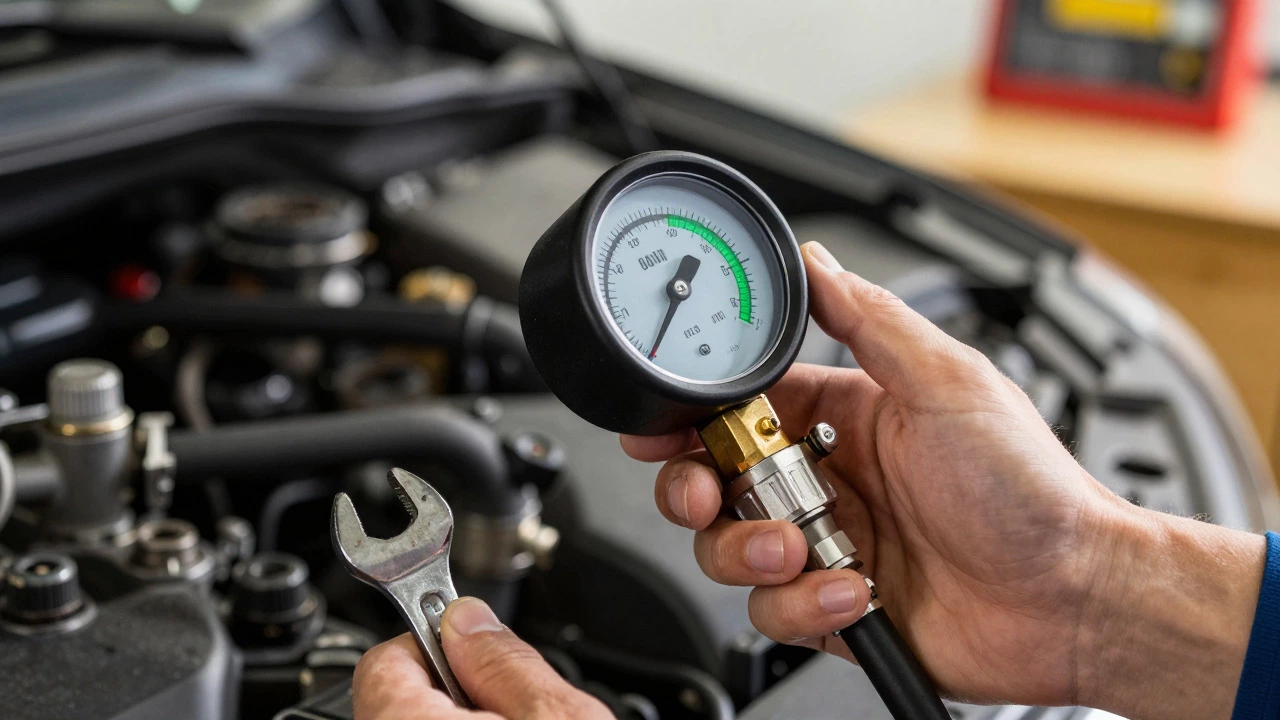
This is the most accurate way to diagnose pump health. Connect a Digital Fuel Pressure Gauge to the service port on the fuel rail. If your car lacks a service port, you may need to tap into the return line or use an adapter on the main feed line, taking care to secure all fittings tightly.
| Condition | Expected Pressure (PSI) | Indication |
|---|---|---|
| Key On, Engine Off (Static) | 40 - 60 PSI | Pump builds initial pressure |
| Engine Running (Idle) | 40 - 60 PSI | Regulator maintains steady flow |
| Engine Revving (2000 RPM) | 50 - 70 PSI | Pump increases output under load |
| Pressure Drop (Over 1 Hour) | < 10 PSI loss | Checks for leaking injectors/regulator |
Compare your gauge reading to the specification found in your owner's manual or a repair database. If the pressure is significantly lower than spec (e.g., 20 PSI instead of 50 PSI), the pump is weak or failing. If the pressure drops rapidly after turning off the engine, you likely have a leaking fuel pressure regulator or sticking injectors, not necessarily a bad pump. However, if the pump cannot build static pressure at all, the motor or impeller is failed.
Common Pitfalls and Troubleshooting Tips
One frequent mistake is blaming the pump for a clogged Fuel Filter. A restricted filter limits flow, causing low pressure symptoms identical to a weak pump. Always inspect or replace the filter before condemning the pump. Another pitfall is ignoring the Fuel Pressure Regulator. If the diaphragm inside the regulator tears, vacuum from the intake manifold leaks into the fuel line, dropping pressure. Replacing this small part costs a fraction of a new pump.
Also, consider the age of the vehicle. Plastic components in the fuel system become brittle over time. A cracked pickup tube inside the tank can cause air ingestion, leading to erratic pressure readings. If the pump passes electrical and pressure tests but the car still runs poorly, inspect the tank internals if possible, or suspect vapor lock in hot climates.
When to Replace vs. Repair
In-tank pumps are generally sealed units. While you can sometimes replace just the pump motor or the sending unit (which includes the level sensor), it is often more cost-effective to replace the entire assembly. This ensures the float, strainer, and O-rings are all new, preventing future leaks. For external mechanical pumps (rare in modern cars), you can replace individual seals or the diaphragm.
If your pressure test shows consistent low pressure, replacement is the only viable option. If the issue is electrical (bad relay or ground), repair the circuit. If the filter was clogged, clean the system and monitor performance. Keep in mind that a failing pump often makes noise before it dies completely-a grinding or gurgling sound is a warning sign to act immediately to avoid being stranded.
Can I test a fuel pump without a gauge?
Yes, but it is less accurate. You can use the "listen for hum" method to confirm if the motor spins. You can also check voltage at the pump connector to ensure power is delivered. However, only a pressure gauge can tell you if the pump is generating enough force to run the engine properly.
Why does my fuel pressure drop quickly after shutting off the car?
A rapid pressure drop usually indicates a leak in the system, not a bad pump. Common causes include a faulty fuel pressure regulator diaphragm or leaking fuel injectors. The pump itself typically holds pressure well if healthy.
What is the normal fuel pressure for a gasoline car?
Most modern gasoline vehicles operate between 40 and 60 PSI at idle. Some direct-injection systems have much higher pressures in the rail (up to 150+ PSI), but the low-pressure pump from the tank usually stays in the 40-60 PSI range. Always consult your specific vehicle's manual for exact specs.
Should I replace the fuel filter when replacing the pump?
Yes, it is highly recommended. The old filter may be partially clogged, restricting flow even after a new pump is installed. Since labor costs are similar for both tasks, changing the filter ensures optimal performance and protects the new pump from immediate contamination.
Does a bad fuel pump affect fuel economy?
Yes. A weak pump may struggle to deliver fuel during acceleration, causing the ECU to enrich the mixture (add more fuel) to compensate, or causing incomplete combustion. This results in rough idling and decreased miles per gallon. Once the pump fails completely, the car won't run at all.