Brake Service Cost & Safety Calculator
1. Enter Your Costs
2. Rotor Condition Check
Select all issues you have observed or experienced.
Results & Recommendation
Adjust inputs and click calculate.
Cost Breakdown (One-time Repair)
If you choose Pads Only with worn rotors, there is a high risk of premature wear. You may pay labor costs twice within 6 months.
You pull up to a red light, press the pedal, and hear that unmistakable metallic screech. Your first thought is probably relief: "Just the pads." Your second thought should be caution. Many drivers assume that replacing brake pads is a standalone job, but in the world of automotive maintenance, nothing works in isolation. The short answer to whether it is okay to change brake pads only is: yes, you can, but you probably shouldn't unless your rotors are in perfect condition.
Ignoring the state of your brake rotors (also known as discs) while swapping out worn pads is like putting fresh tires on a car with bent rims. You might get away with it for a week, but the underlying issue will ruin the new parts quickly-and potentially compromise your safety. Let’s look at why mechanics often insist on doing both, when you can skip the rotors, and what actually happens if you don’t.
The Mechanics of Friction: Why Pads and Rotors Are Partners
To understand why changing just the pads is risky, you need to understand how braking actually works. When you push the pedal, hydraulic pressure forces the brake calipers to squeeze the pads against the spinning rotor. This friction converts kinetic energy into heat, slowing the car down. Over time, this process wears down two surfaces: the soft material of the pad and the hard steel surface of the rotor.
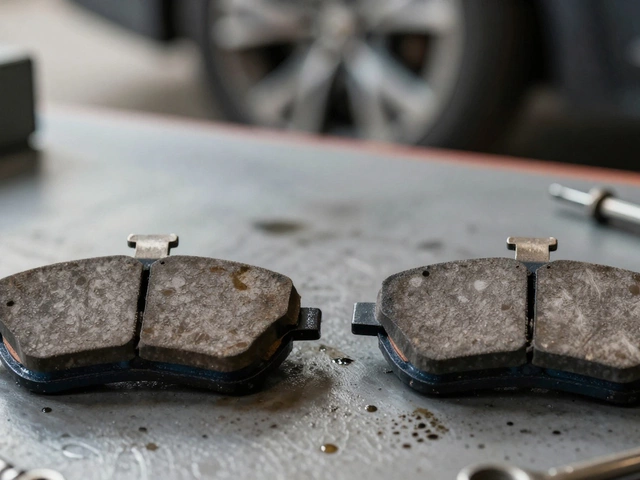
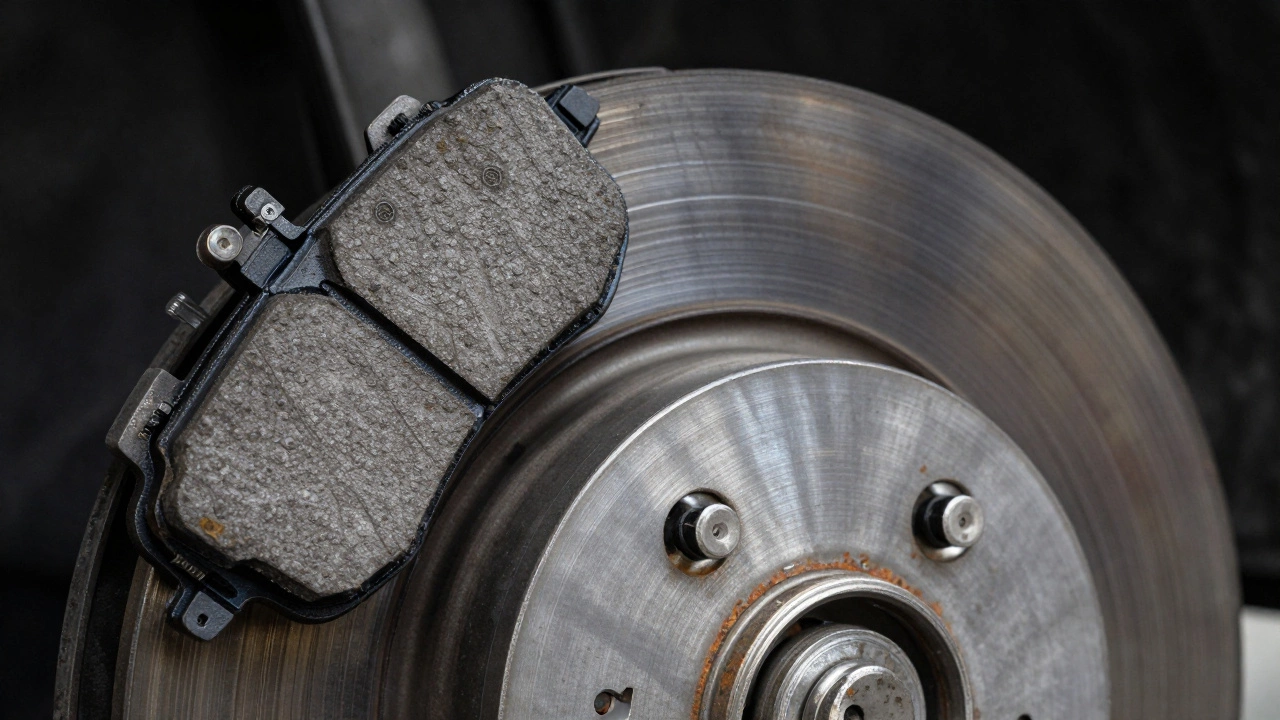
If you replace the pads but leave an old, worn rotor, you are mating a brand-new, smooth friction surface with a grooved, uneven metal disc. The new pads cannot conform instantly to the old rotor's imperfections. Instead, they ride on the high spots of the rotor, leading to reduced stopping power, vibration, and premature wear of the new pads. Essentially, the old rotor eats the new pads alive.
When Is It Safe to Replace Brake Pads Only?
There are scenarios where skipping the rotor replacement is perfectly fine and saves you money. However, these situations require a professional inspection or a very careful DIY check. Here are the conditions under which you can get away with changing only the pads:
- Minimal Wear: The rotors have significant thickness remaining. Most manufacturers specify a minimum thickness (often stamped on the rotor hat). If the current thickness is well above this limit, the rotor has life left.
- No Warping: The rotor surface is flat. If you experience pulsation in the brake pedal when stopping, the rotor is warped. New pads will not fix this; you must machine or replace the rotor.
- No Deep Scoring: Run your fingernail across the rotor face. If you feel deep grooves or ridges, the rotor needs attention. Light scoring might be acceptable, but deep cuts will damage new pads immediately.
- Recent Rotor Service: If you replaced the rotors within the last 10,000-15,000 miles, the pads likely wore out before the rotors reached their end of life.
In Bristol, where we see a lot of stop-start traffic and wet roads, rotors tend to corrode faster than in drier climates. Even if the wear is low, surface rust can affect braking performance. Always inspect the surface quality, not just the thickness.
The Hidden Cost of "Saving" Money on Rotors
Let’s talk numbers. A set of front brake pads might cost you £40-£80 for parts. A set of quality rotors could run you £60-£120 per axle. Labor varies, but let’s say a full job costs £300 more than a pad-only job. That sounds steep. But consider the timeline.
If you install new pads on worn rotors, those pads may wear out in half the expected time. Worse, the uneven contact can cause the rotors to warp further due to uneven heat distribution. Within six months, you might find yourself back at the garage needing both pads and rotors anyway. You’ve now paid for two sets of labor and compromised your safety during that interim period.
Mechanics often recommend replacing rotors every other pad change because the wear rates are linked. Typically, rotors last about twice as long as pads. So, if you change pads every 20,000 miles, you might replace rotors every 40,000 miles. If you deviate from this rhythm without measuring, you’re gambling.
Signs Your Rotors Need Replacement Alongside Pads
How do you know if your rotors are done for? Don’t guess. Look for these specific symptoms:
- Pedal Pulsation: If the brake pedal vibrates or pulses when you apply pressure, especially at higher speeds, the rotor is warped. This is a classic sign that machining or replacement is necessary.
- Squealing or Grinding: While squeals often indicate worn pads, a grinding noise means the pad material is gone, and metal is rubbing against metal. This damages the rotor surface irreparably.
- Visual Inspection: Remove the wheel and look at the rotor. If you see deep blue spots (overheating), cracks, or severe rust pitting, the rotor is unsafe.
- Vibration in Steering Wheel: Front rotor issues often transmit vibration through the steering column. If the wheel shakes when you brake, the front rotors are likely warped.
If any of these are present, changing only the pads is not just ineffective-it’s dangerous. The new pads won’t seat properly, and your stopping distance will increase.
Resurfacing vs. Replacing: What’s the Difference?
In the past, mechanics would often "resurface" or machine rotors on-site using a lathe. This removes a thin layer of metal to create a fresh, flat surface. Today, most shops prefer replacement. Why?
Modern rotors are manufactured thinner to save weight and fuel. There is less material to remove during machining. If a rotor is already near its minimum thickness, resurfacing it could make it too thin to handle heat safely, leading to warping under heavy braking. Additionally, many modern rotors are coated with anti-corrosion layers that machining strips away, leaving them vulnerable to rust.
Unless your vehicle has heavy-duty cast iron rotors with plenty of excess material, replacement is usually the safer, more cost-effective choice in 2026. High-quality aftermarket rotors are widely available and often cheaper than the labor cost of resurfacing.
| Factor | Pad-Only Replacement | Pad + Rotor Replacement |
|---|---|---|
| Upfront Cost | Lower (£100-£200) | Higher (£300-£500+) |
| Longevity | Shorter (if rotors are worn) | Maximized (new-on-new fit) |
| Performance | Variable (depends on rotor condition) | Optimal (smooth, quiet stopping) |
| Safety Risk | Higher if rotors are warped | Lowest |
| Best For | Rotors with >70% life remaining | Most standard replacements |
DIY Considerations: Can You Do It Yourself?
Changing brake pads is a common DIY task. You’ll need a jack, jack stands, a lug wrench, a C-clamp (to compress the caliper piston), and new pads. However, if you’re considering skipping the rotors, you need to be honest about your ability to inspect them accurately.
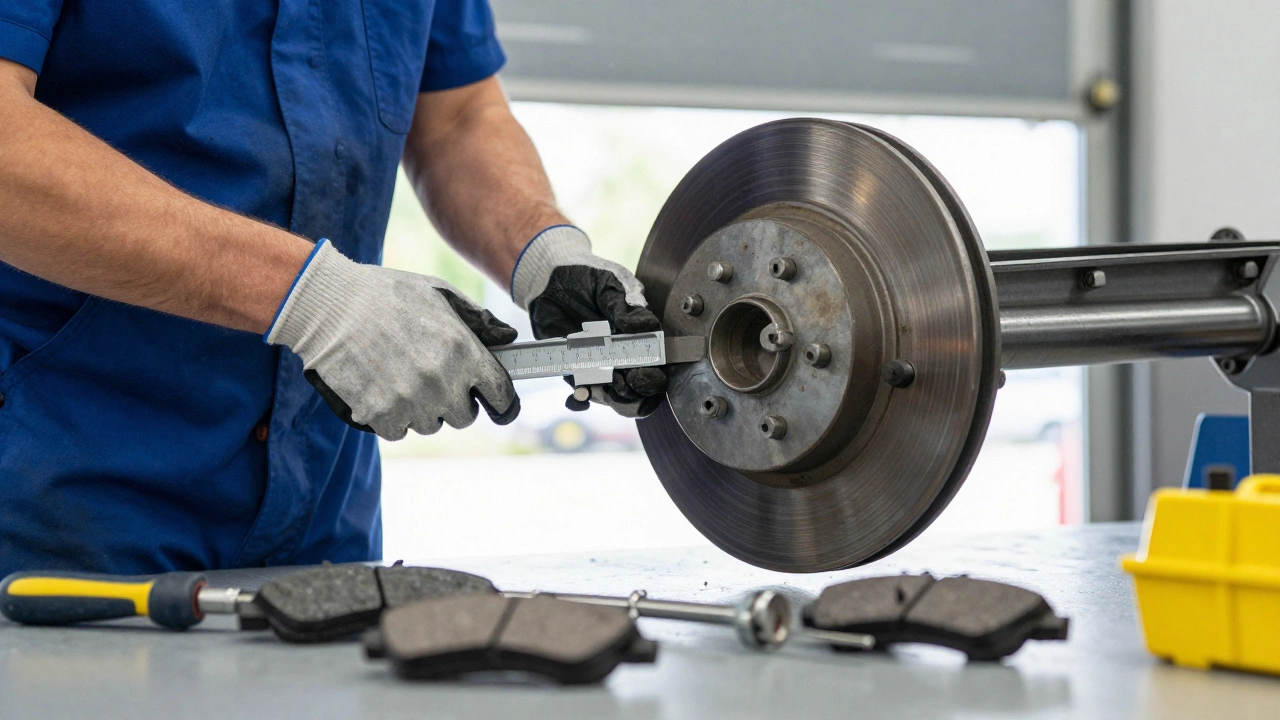
Without a micrometer to measure rotor thickness precisely, you’re relying on visual cues. For a novice, this is risky. If you’re not sure, pay a mechanic for an inspection first. They can tell you in five minutes if the rotors are safe to keep. If you decide to replace rotors yourself, ensure you clean the hub surface thoroughly. Rust between the hub and the rotor can cause vibration even with new parts.
Also, remember to lubricate the caliper slides and pin boots. Sticking calipers are a common cause of uneven pad wear and rotor damage. Neglecting this step can ruin your new brakes within months.
Bedding In: The Critical Final Step
Whether you change pads only or both pads and rotors, you must "bed in" the new components. This process transfers a thin layer of pad material onto the rotor, optimizing friction and preventing glazing. Skipping this step leads to noisy brakes and poor performance.
Here’s how to do it correctly:
1. Find a safe, empty road.
2. Accelerate to 30 mph.
3. Brake firmly to 5 mph (do not stop completely).
4. Repeat 5-10 times.
5. Drive gently for 10 minutes to let the brakes cool.
Avoid hard stops or towing for the first 200 miles. This allows the transfer layer to set properly.
Can I put new brake pads on old rotors?
Yes, but only if the rotors are in good condition-meaning they are not warped, deeply scored, or below the manufacturer's minimum thickness. If the rotors are worn, new pads will wear out quickly and may cause vibration or reduced stopping power.
How often should brake rotors be replaced?
Typically, rotors last about 50,000 to 70,000 miles, which is roughly twice as long as brake pads. However, this varies based on driving habits, climate, and vehicle type. Aggressive driving or frequent city driving can shorten rotor life significantly.
What does it mean if my brake pedal vibrates?
Pedal vibration usually indicates warped brake rotors. This happens when rotors overheat and lose their flatness. New brake pads will not fix this issue; the rotors must be machined or replaced to restore smooth braking.
Is it cheaper to replace brake pads or rotors?
Replacing only brake pads is cheaper upfront. However, if the rotors are worn, you may need to replace them soon after, doubling your labor costs. In the long run, replacing both together when necessary is often more cost-effective and safer.
Do I need to replace brake pads on all four wheels?
It is recommended to replace brake pads in pairs (both fronts or both rears) to maintain balanced braking. While you don't always need to do all four at once, front pads typically wear faster than rear pads due to weight transfer during braking.