Suspension Health & Safety Checker
Vehicle Profile & Symptoms
Check any present symptoms:
Suspension Analysis
Ready to Analyze
Enter your vehicle details and check symptoms to see the estimated condition of your suspension system.
That strange knocking sound when you hit a pothole? The way your car feels like it’s floating on water after braking? These aren’t just minor annoyances; they are clear signals that your car suspension is failing. A healthy suspension system keeps your tires in contact with the road, ensuring safety, comfort, and control. When it goes bad, the consequences range from a bumpy ride to a complete loss of vehicle stability.
Most drivers assume suspension parts last forever until they suddenly don't. In reality, degradation is a slow process driven by specific factors. Understanding what causes these components to fail helps you spot trouble early, avoid expensive repairs, and stay safe on the road.
The Role of Wear and Tear in Suspension Failure
The primary enemy of any suspension system is simple usage. Every time you drive, your shock absorbers and struts work hard to dampen the energy from road imperfections. Over time, this constant compression and extension lead to material fatigue.
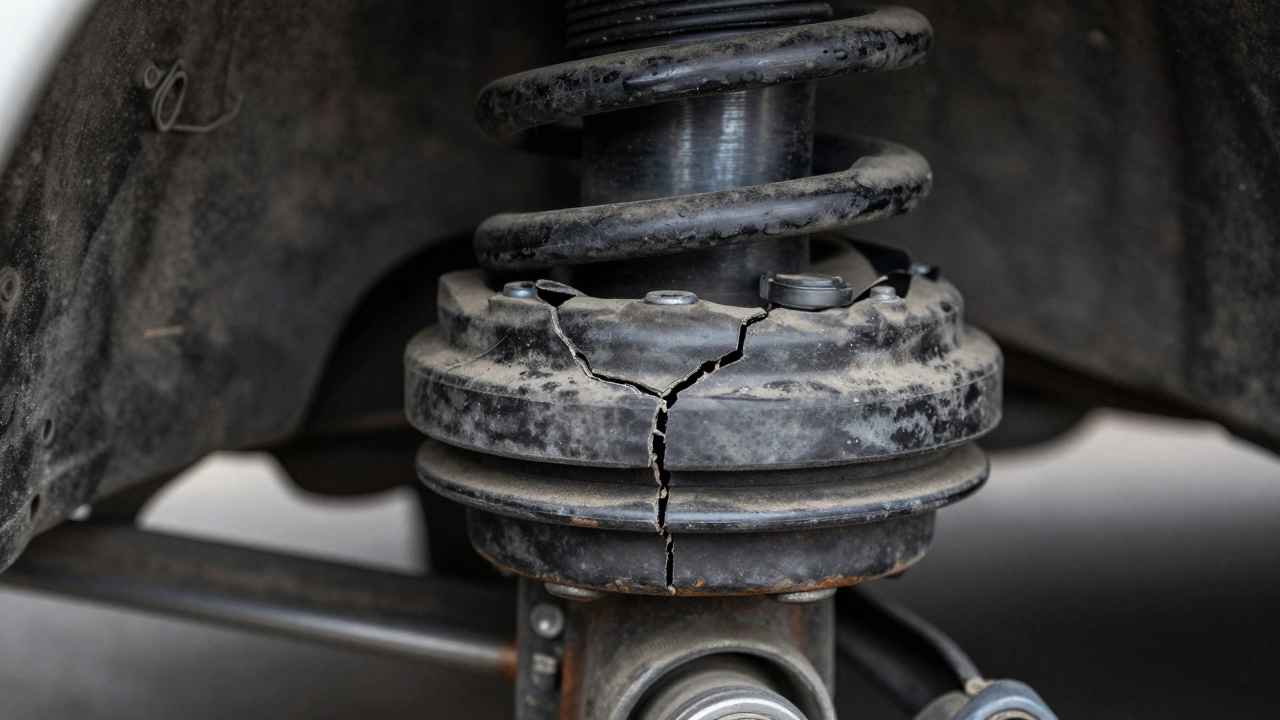
Rubber bushings, which isolate metal parts from each other to reduce vibration, dry out and crack. This is especially true in regions with extreme temperature fluctuations. As these rubber components harden, they lose their ability to absorb shock, transferring harsh impacts directly into the car's frame. You might notice increased noise or a feeling of looseness in the steering before any visible damage appears.
- Age: Even if you rarely drive, rubber degrades over time due to oxidation.
- Mileage: High-mileage vehicles experience more cycles of compression, leading to faster wear.
- Driving Style: Aggressive driving accelerates the breakdown of internal seals and fluids.
Impact of Road Conditions and Environment
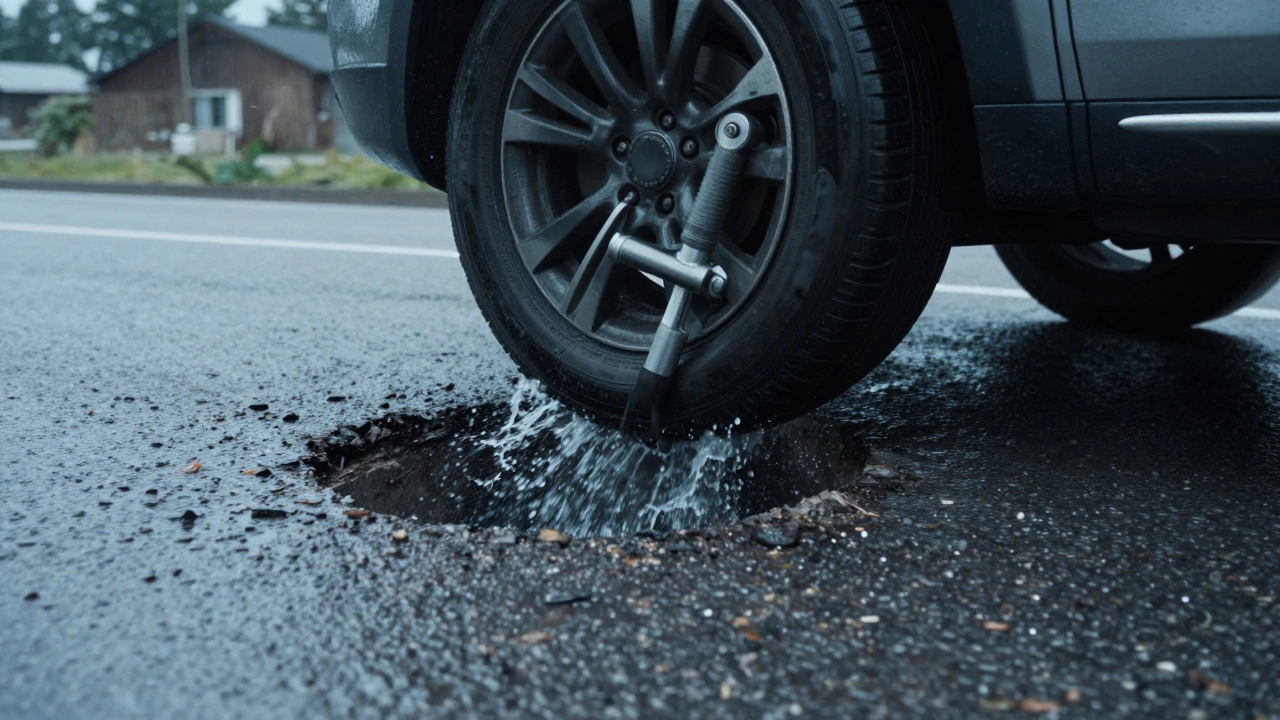
Where you drive matters just as much as how often you drive. Poor road conditions are a major contributor to premature suspension failure. Potholes, speed bumps, and gravel roads subject your suspension to sudden, high-impact forces that exceed design limits.
Hitting a deep pothole at speed can bend control arms or damage tie rods instantly. Repeated exposure to salted roads in winter also plays a significant role. Road salt accelerates corrosion on metal components like ball joints and sway bar links. Rust weakens the structural integrity of these parts, making them prone to snapping under stress.
| Hazard | Affected Components | Potential Damage |
|---|---|---|
| Potholes | Struts, Control Arms | Bent metal, broken mounts |
| Salt/Ice | Ball Joints, Tie Rods | Corrosion, rust, seizing |
| Gravel/Dirt | Bushings, Boots | Accelerated abrasion, tear |
Fluid Leaks and Seal Degradation
Hydraulic fluid is the lifeblood of shock absorbers and struts. Inside these components, pistons move up and down through oil to create resistance. If the internal seals wear out, this fluid leaks out. Once the fluid level drops, the shock absorber loses its damping capability.
You can often spot this issue visually. Look for oily residue on the outside of your shock absorbers or dark spots on the ground where you park. While small amounts of moisture condensation are normal, wet, shiny oil indicates a failed seal. Without proper damping, your car will bounce excessively after hitting a bump, reducing tire contact with the road and increasing stopping distances.
Neglected Maintenance and Alignment Issues
Many suspension problems stem from neglecting routine maintenance. Wheel alignment is critical. When your wheels are misaligned, the tires scrub against the road surface rather than rolling smoothly. This places uneven stress on suspension components like ball joints and tie rods.
Ignoring alignment warnings leads to rapid tire wear and accelerated suspension failure. Additionally, failing to replace worn bushings or ball joints allows excessive play in the suspension geometry. This movement creates further stress on adjacent parts, creating a cascade of failures. Regular inspections during oil changes can catch these issues before they become costly repairs.

Signs Your Suspension Is Going Bad
Recognizing the symptoms early can save you money and ensure safety. Here are the most common indicators that your suspension needs attention:
- Uneven Tire Wear: Check your tires regularly. Cupping, scalloping, or excessive wear on one edge suggests alignment or shock issues.
- Nose Diving: If the front of your car dips sharply when braking, your shocks or struts are likely worn out.
- Excessive Bouncing: After hitting a bump, does your car continue to bounce? Healthy suspension should settle quickly.
- Steering Vibration: Vibrations felt through the steering wheel at highway speeds often indicate unbalanced wheels or worn suspension parts.
- Knocking Noises: Clunking sounds when turning or going over bumps usually point to loose or broken bushings and ball joints.
How to Extend Suspension Life
While you can't stop wear entirely, you can slow it down. Drive cautiously over speed bumps and avoid potholes whenever possible. Maintain proper tire pressure, as underinflated tires put extra strain on suspension components. Schedule regular alignments and have a mechanic inspect your suspension annually, especially if you live in an area with harsh winters or rough roads.
Replacing parts proactively, rather than waiting for total failure, is also wise. For instance, replacing shocks in pairs ensures balanced handling. Ignoring small issues today often leads to major repairs tomorrow.
How long do car suspensions last?
Typically, shock absorbers and struts last between 50,000 to 100,000 miles. However, this varies greatly depending on driving conditions, vehicle weight, and maintenance habits. Rubber bushings may need replacement sooner, often around 75,000 miles.
Is it dangerous to drive with bad suspension?
Yes. Worn suspension reduces tire contact with the road, increasing stopping distances and the risk of skidding. It can also lead to loss of control during emergency maneuvers. Severe cases may result in component failure while driving.
Can I fix suspension issues myself?
Some tasks like checking for fluid leaks or inspecting bushings for cracks are DIY-friendly. However, replacing shocks, struts, or ball joints requires specialized tools and knowledge. Improper installation can be dangerous, so professional help is recommended for major repairs.
What causes uneven tire wear related to suspension?
Misalignment, worn ball joints, or damaged control arms cause wheels to sit at incorrect angles. This forces tires to drag across the pavement rather than roll, leading to cupping or feathering patterns on the tread.
Does road salt really damage suspension?
Absolutely. Salt accelerates rust formation on metal parts like tie rods and ball joints. Corroded parts seize up or break unexpectedly. Regular washing of the undercarriage in winter helps mitigate this damage.