Muffler Delete MPG Impact Calculator
Enter your vehicle details to see if deleting your muffler is worth the noise and hassle for your wallet.
Enter data to calculate potential savings.
Theoretical MPG Gain
Annual Financial Impact
Money Saved: $0.00
*Based on weight reduction only (~0.6% mass loss). Real-world driving conditions often negate this gain entirely.*
Better Ways to Save Gas
While a muffler delete offers negligible MPG gains, these simple checks can save you significantly more:
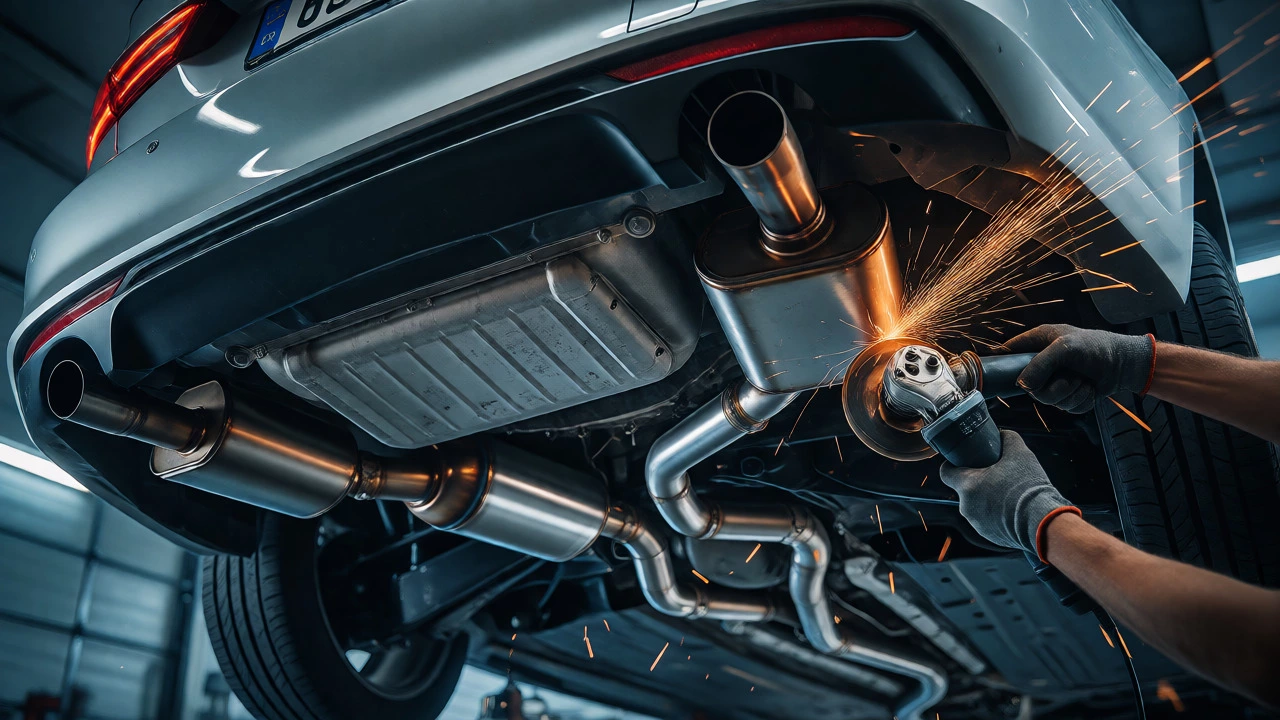
You see the video online: a guy with a wrench, a sawzall, and a cloud of black smoke. He cuts off the muffler, revs the engine, and claims his fuel economy skyrocketed. It sounds like free money, doesn't it? But before you grab your angle grinder and start hacking away at your car's undercarriage, let's look at what actually happens to your engine when you remove that metal canister.
The short answer is complicated. For most modern cars driven in mixed traffic, a muffler delete does not increase miles per gallon (MPG). In fact, it might hurt your fuel efficiency or leave it completely unchanged. The idea that "less weight equals better mileage" is true in physics class but rarely translates to real-world driving for passenger vehicles. To understand why, we need to look at how your exhaust system works, what back pressure really means, and where this mod actually helps.
Understanding the Exhaust System and Back Pressure
Your exhaust system is a network of pipes and components designed to channel toxic gases from the engine out into the atmosphere while reducing noise. It consists of the exhaust manifold, catalytic converter, resonator, and finally, the muffler. Each part has a job. The catalytic converter cleans emissions. The resonator cancels specific sound frequencies. The muffler reduces overall volume by bouncing sound waves around inside chambers until they cancel each other out.
Many enthusiasts talk about "back pressure" as if it’s a villain. They believe the muffler chokes the engine, forcing it to work harder to push exhaust gases out. While there is some truth to this, it’s often exaggerated. Modern engines are designed with specific flow characteristics in mind. If you remove the muffler, you change the airflow dynamics. In some cases, this helps high-revving engines breathe easier. In others, it disrupts the scavenging effect-the process where outgoing exhaust pulses help pull fresh air-fuel mixture into the cylinders.
Think of it like breathing through a straw versus a wide-open mouth. At rest, both work fine. During intense exercise, the open mouth is better. But if you’re just walking casually, the difference is negligible. Your car spends most of its time "walking," not sprinting.
Does Removing Weight Actually Help MPG?
One of the biggest arguments for a muffler delete is weight savings. A standard muffler weighs between 10 and 30 pounds (4.5 to 13.6 kg). Does losing 20 pounds make a noticeable difference in fuel consumption? Mathematically, yes, but practically, no.
Average compact sedans weigh around 3,000 pounds (1,360 kg). Removing 20 pounds represents less than 1% of the total vehicle mass. Most studies suggest that reducing vehicle weight by 10% yields roughly a 6-8% improvement in fuel economy. So, cutting a muffler might theoretically improve MPG by 0.5% to 0.7%. That’s pennies on the pound. You’d save more fuel by taking your roof rack off or keeping your tires properly inflated.
| Muffler Type | Approximate Weight | % of Vehicle Mass (Avg Car) | Theoretical MPG Gain |
|---|---|---|---|
| Standard Steel | 20 lbs (9 kg) | 0.6% | ~0.05 MPG |
| Heavy Duty Truck | 35 lbs (16 kg) | 0.4% | ~0.03 MPG |
| Titanium Aftermarket | 8 lbs (3.6 kg) | 0.2% | ~0.02 MPG |
When a Muffler Delete Might Improve Performance
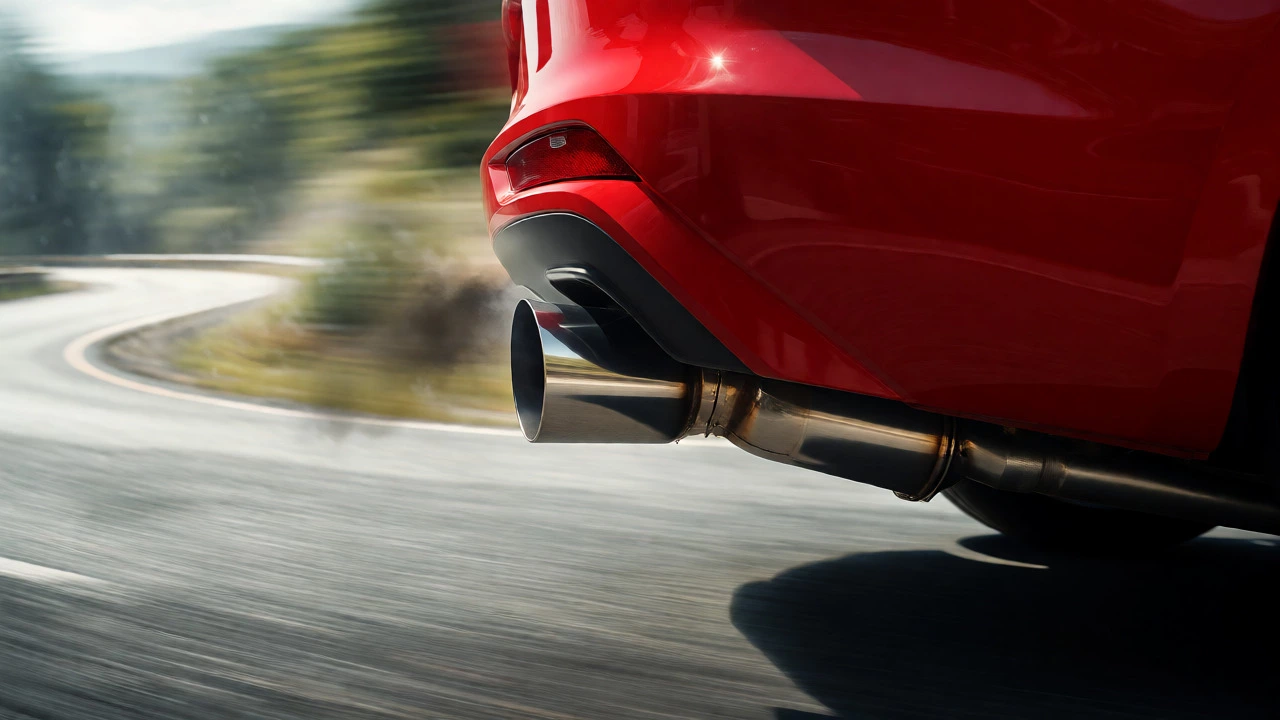
There are scenarios where removing the muffler makes sense, but it’s usually about performance, not fuel economy. High-performance naturally aspirated engines, particularly those tuned for track use, benefit from reduced restriction at high RPMs. When an engine spins above 4,000-5,000 RPM, it needs to expel exhaust gases quickly. A restrictive muffler can cause turbulence, slowing down this process.
If you drive a sports car like a Mazda MX-5 Miata or a Subaru WRX and spend most of your time pushing the rev limiter, you might see a slight horsepower gain. Some dyno tests show increases of 2-5 horsepower on modified engines. However, this power gain comes at a cost. Without proper tuning, the air-fuel ratio might lean out, causing rough idling or check engine lights.
Moreover, turbocharged engines behave differently. Turbos rely on exhaust flow to spool up. Sometimes, a straight-pipe setup allows the turbo to spool faster because there’s less resistance. But again, this is about throttle response and peak power, not saving gas at the pump.
The Downsides: Noise, Smell, and Legal Issues
Before you commit to the cut, consider the trade-offs. The most obvious issue is noise. A muffler isn’t just for neighbors’ sake; it dampens low-frequency drones that can vibrate through the chassis. Without it, your cabin becomes loud. On long drives, this fatigue adds up. You’ll find yourself turning up the radio just to hear music, which defeats the purpose of a relaxing commute.
Then there’s the smell. Mufflers help dissipate exhaust gases. Straight pipes direct hot fumes closer to the ground and sometimes toward the rear window opening. If you have a convertible or a leaky trunk seal, you might end up smelling carbon monoxide and unburnt hydrocarbons inside the cabin. This isn’t just unpleasant; it’s potentially hazardous in stop-and-go traffic.
Legality is another major factor. In the UK, MOT tests include noise checks. Excessive noise can fail your vehicle. Similarly, many US states have decibel limits. If your car exceeds these limits, you could face fines or be forced to reinstall the muffler. Insurance companies also view modifications skeptically. If you don’t declare a muffler delete, your policy might be voided in the event of an accident.
Better Ways to Improve Fuel Economy
If your goal is strictly to save money on fuel, a muffler delete is one of the least effective methods. Here are proven strategies that yield actual results:
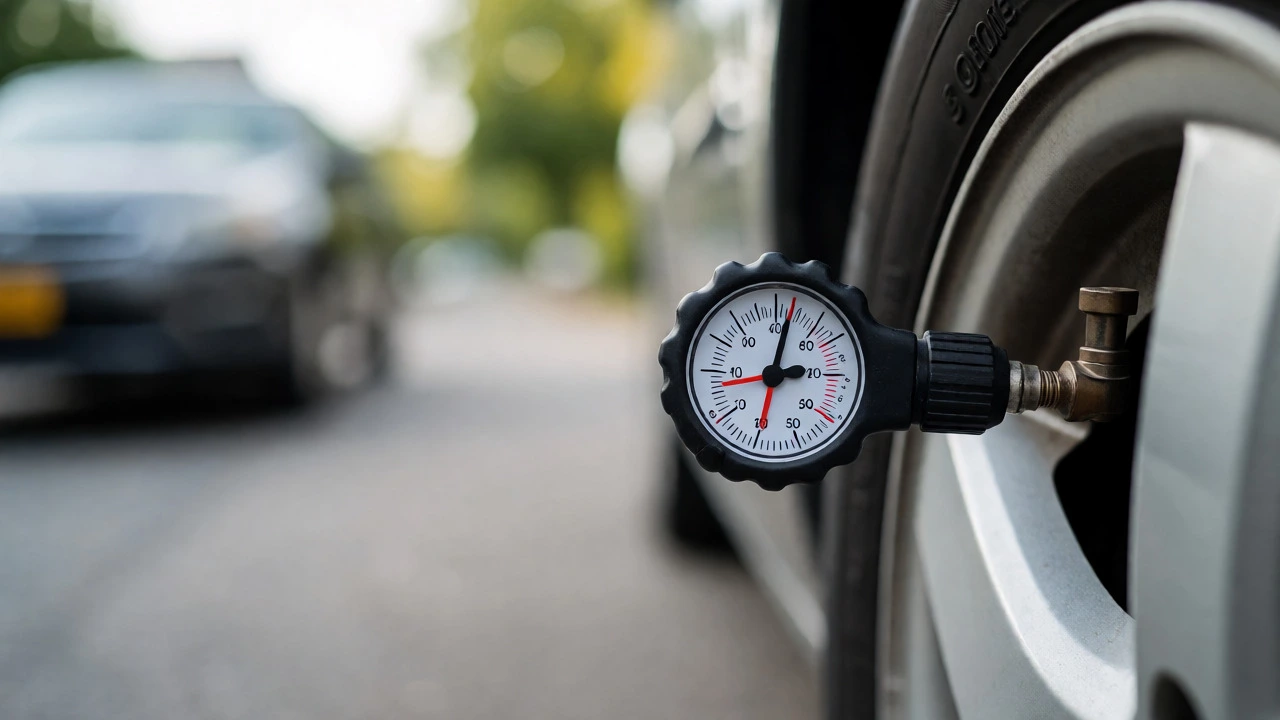
- Check Tire Pressure: Under-inflated tires increase rolling resistance. Keeping them at the manufacturer’s recommended PSI can improve MPG by up to 3%.
- Replace Air Filters: A clogged air filter restricts airflow, making the engine work harder. Replacing a dirty filter can improve acceleration and fuel economy.
- Use Synthetic Oil: Lower viscosity synthetic oils reduce internal friction, helping the engine run smoother and cooler.
- Smooth Driving Habits: Aggressive acceleration and hard braking waste fuel. Gradual inputs can boost efficiency by 15-30%.
These changes cost little to nothing and require no welding or legal paperwork. They address the root causes of inefficiency rather than chasing marginal gains from exhaust mods.
Final Verdict: Is It Worth It?
So, will a muffler delete increase MPG? For 95% of drivers, the answer is no. Any gain is so small it’s lost in the noise of daily driving variations-wind, traffic, tire condition, and even temperature. You’re more likely to notice the louder exhaust note and the potential drone than any drop in your fuel bill.
Do it if you want the sound. Do it if you’re building a track car and chasing every last horsepower. But do not do it expecting to save significant money on petrol. The math simply doesn’t add up for the average commuter. Keep your muffler, keep your peace, and maybe check your tire pressure instead.
Does deleting the muffler damage the engine?
Generally, no. Removing the muffler does not directly damage the engine components. However, it can affect oxygen sensor readings, leading to incorrect fuel trims if the ECU isn't adjusted. This might cause the engine to run rich or lean, potentially affecting long-term efficiency but not necessarily causing immediate mechanical failure.
Is a muffler delete legal in the UK?
In the UK, modifying the exhaust system is allowed, but the vehicle must still meet noise regulations during the MOT test. If the exhaust is deemed excessively noisy or emits visible smoke due to incomplete combustion, it can fail. Additionally, removing the catalytic converter (often done alongside muffler deletes) is illegal unless replaced with an equivalent emission control device.
How much horsepower does a muffler delete add?
On stock engines, a muffler delete typically adds 0 to 5 horsepower. Significant gains are only seen on highly modified engines with upgraded intakes, headers, and tunes. For most daily drivers, the horsepower change is within the margin of error for dyno testing.
Can a muffler delete cause a check engine light?
Yes, it can. Modern cars monitor exhaust flow and oxygen levels. Changing the exhaust back-pressure can confuse the O2 sensors, triggering codes like P0420 (Catalyst System Efficiency Below Threshold) or P0171/P0174 (System Too Lean/Rich). A tune may be required to clear these codes permanently.
What is the difference between a resonator delete and a muffler delete?
A resonator is designed to cancel out specific annoying frequencies (drone), while a muffler reduces overall volume. Deleting the resonator removes the drone but keeps the main noise reduction. Deleting the muffler removes almost all noise suppression. Many owners prefer resonator deletes for a sportier tone without excessive volume.