
Smart Wiper Buyer's Calculator
Not sure how much to spend on your next set of wipers? Answer three quick questions based on the article's data to get a personalized recommendation.
You’re driving in a heavy downpour. The rain is coming down sideways. Your current windscreen wipers are squeaking, skipping, and leaving streaks across your view. It’s not just annoying; it’s dangerous. You pull into the next auto parts store or open your laptop to order replacements online. But then you face the classic dilemma: Do you grab the $15 pair at the front of the shelf, or spend $60 on the brand-name set that promises "lifetime clarity"?
The short answer is: don’t buy the cheapest option, but you also don’t need to break the bank. The sweet spot for most drivers lies between $20 and $40 for a full set. However, understanding *why* prices vary helps you make a smarter choice based on your specific vehicle and local weather conditions.
The Price Spectrum: What Are You Actually Paying For?
When you look at wiper blades available in the market today, you’ll typically see three distinct price tiers. Each tier serves a different purpose and offers varying levels of durability and performance.
| Tier | Price Range (Set) | Lifespan | Best For |
|---|---|---|---|
| Budget | $10 - $20 | 3-6 months | Older cars, mild climates, emergency replacements |
| Mid-Range | $20 - $40 | 6-12 months | Daily commuters, mixed weather, best value |
| Premium | $40 - $80+ | 12-18 months | Extreme weather, luxury vehicles, beam-style designs |
Budget blades usually use basic rubber compounds and simple metal frames. They work fine for a few months if you live somewhere with mild rains. However, the rubber hardens quickly under UV exposure, leading to those dreaded streaks. If you’re replacing them every four months, you’re actually spending more over time than if you bought a mid-range set initially.
Mid-range blades offer the best balance. Brands like Bosch, Rain-X, and Anco dominate this space. They often include features like silicone coatings to repel water better or aerodynamic covers to reduce wind noise. This is where most people should land. You get reliable performance for a year without paying for marketing fluff.
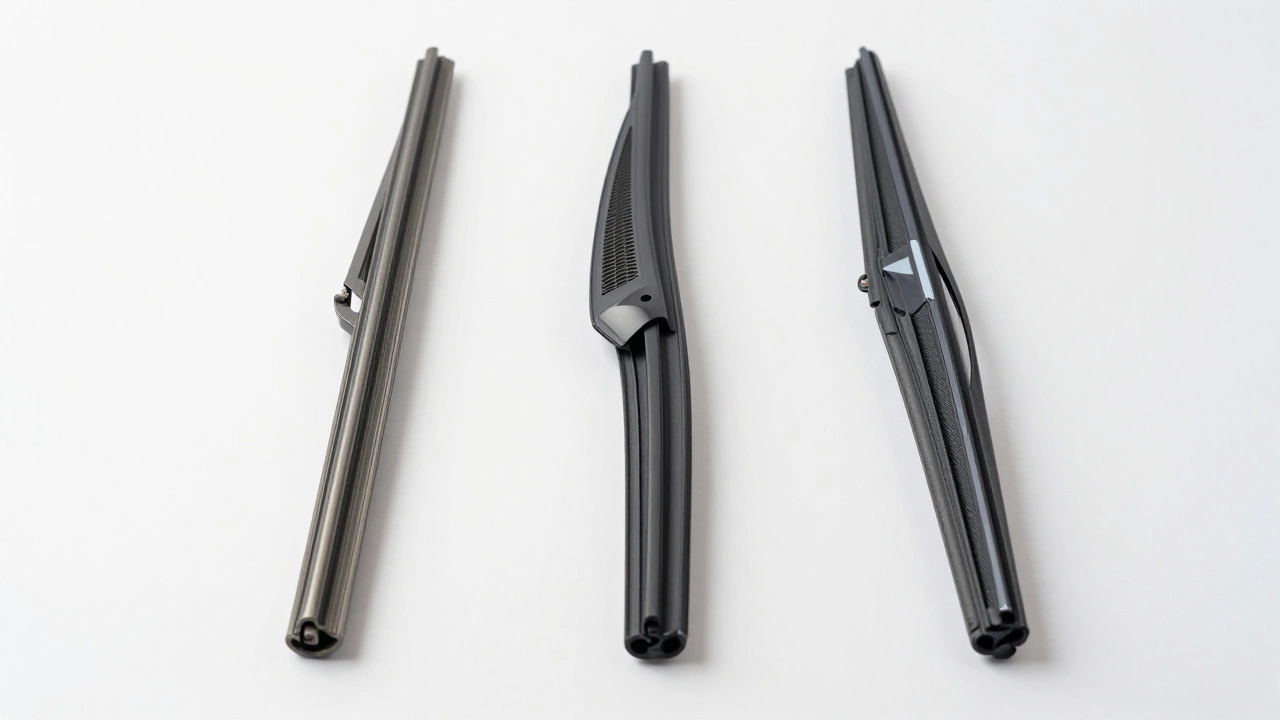
Premium blades are often beam-style wipers which lack a traditional metal frame. Instead, they use a flexible internal spring to press evenly against the windshield. This design is excellent for icy conditions because there are no joints for ice to build up in. If you live in Minnesota or Canada, these are worth the extra cost. For someone in Arizona who only sees rain twice a year? Probably not.
Factors That Influence Your Wiper Budget
Your ideal spending amount isn’t one-size-fits-all. Several factors dictate whether you should stretch your budget or save money.
1. Climate and Weather Conditions
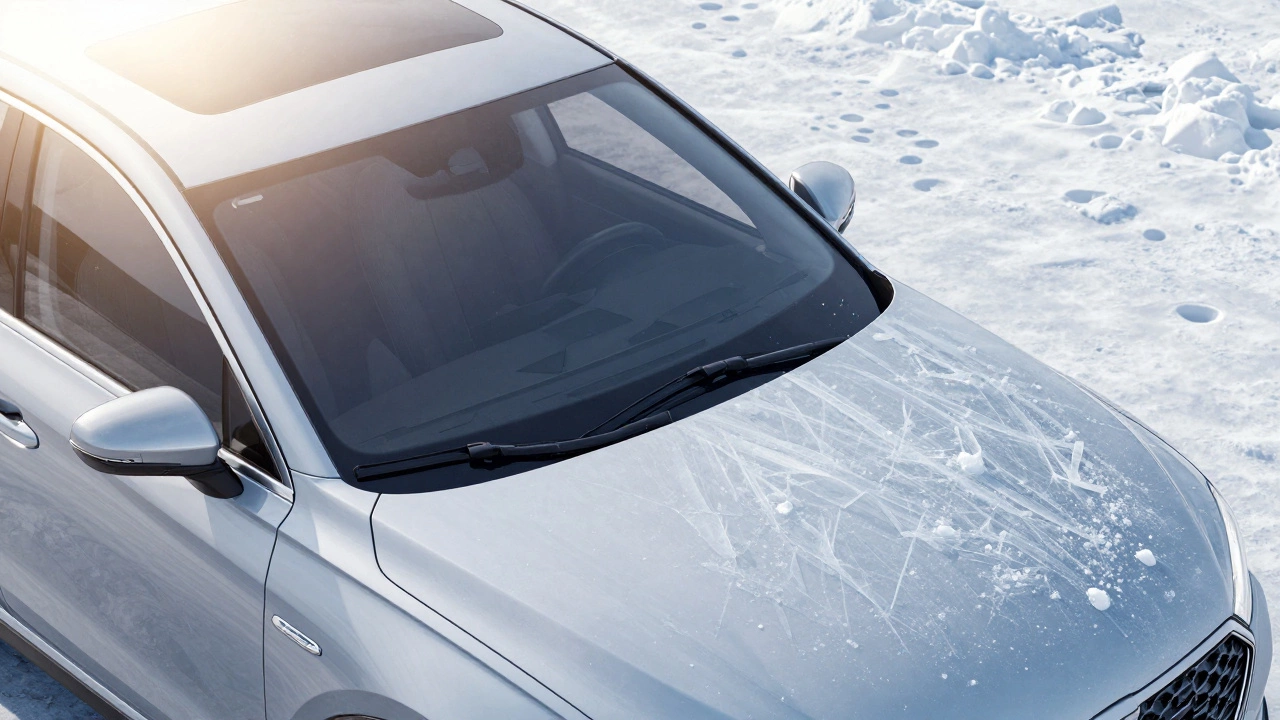
This is the biggest variable. If you deal with snow, ice, and freezing rain, cheap wipers will fail within weeks. The rubber cracks, and the mechanism freezes. In these cases, invest in winter-specific wiper blades designed to withstand sub-zero temperatures. These often have rubber boots covering the entire assembly. Expect to pay $40-$60 for a high-quality winter set.
If you live in a hot, sunny climate, UV radiation is your enemy. Cheap rubber degrades fast in intense sun. Look for blades with UV-resistant coatings, which are common in mid-to-premium tiers.
2. Vehicle Type and Windshield Curvature
Modern cars have highly curved windshields. Traditional flat-frame wipers might not make even contact across the entire glass surface, leading to missed spots. Beam-style wipers conform better to curves. If you drive a newer sedan or SUV, you might need to spend more to ensure proper fitment and pressure distribution.
Trucks and vans often require longer blades or specialized sizes. These can be harder to find in the budget category, pushing you toward mid-range options anyway.
3. Driving Frequency
If you drive daily, especially during rush hour in bad weather, your wipers are working overtime. High usage means faster wear. Buying durable, higher-quality blades reduces the hassle of frequent replacements. Time is money, after all.
Hidden Costs: Installation and Compatibility
Don’t forget about installation. Most modern wipers use a standard hook arm, making DIY replacement easy and free. Just lift the arm, press the release tab, slide off the old blade, and snap on the new one. Takes five minutes.
However, some luxury brands like Mercedes-Benz, BMW, and Audi use proprietary attachment systems. You can’t just buy any generic blade; you need specific adapters or brand-name parts. These can cost significantly more, sometimes exceeding $80 for a pair. Check your owner’s manual or a site like RealOEM before assuming you can use universal blades.
If you’re uncomfortable doing it yourself, auto shops charge $10-$20 for labor. While small, it adds up if you’re buying cheap blades that need replacing every six months.
Signs It’s Time to Replace (Regardless of Cost)
No matter how much you spent, wipers eventually die. Here’s when to stop waiting:
- Squeaking or Chattering: Indicates uneven pressure or hardened rubber.
- Streaking: Leaves visible lines on the windshield, reducing visibility.
- Skipping: Jumps across the glass instead of gliding smoothly.
- Visible Damage: Cracks, tears, or missing chunks in the rubber edge.
Pro tip: Clean your wiper blades with a damp cloth every few months. Dirt and road grime can mimic wear issues. Sometimes, a quick clean extends their life by several weeks.
Where to Buy: Saving Money Without Sacrificing Quality
You don’t need to go to a dealership. In fact, dealerships are usually the most expensive option. Here’s where to shop:
- Online Retailers (Amazon, AutoZone Online): Often have the best prices and wide selection. Look for bundles (driver + passenger side) to save shipping costs.
- Big Box Stores (Walmart, Target): Good for mid-range brands. Convenient if you need them immediately.
- Auto Parts Stores (Advance Auto Parts, O’Reilly): Reliable stock, but prices can be higher. Check for coupons.
- Dealerships: Avoid unless you need OEM-specific parts that aren’t available elsewhere.
Watch for sales around seasonal changes. Spring and fall are prime times for discounts as retailers clear out inventory.
Frequently Asked Questions
Is it worth buying expensive wiper blades?
It depends on your climate and driving habits. If you live in an area with harsh winters or heavy rain, premium beam-style wipers are worth the investment due to better durability and performance. For mild climates, mid-range blades offer sufficient quality at a lower cost.
How often should I replace my wiper blades?
Generally, every 6 to 12 months. However, inspect them regularly. If you notice streaking, squeaking, or skipping, replace them immediately regardless of age. Extreme weather conditions may shorten their lifespan.
Do all cars use the same wiper blade size?
No, wiper blade sizes vary significantly by vehicle make and model. Some cars use different lengths for the driver and passenger sides. Always check your owner’s manual or measure your existing blades before purchasing.
Can I install wiper blades myself?
Yes, most wiper blades are designed for easy DIY replacement. Simply lift the wiper arm away from the windshield, press the release clip, slide off the old blade, and attach the new one. Always place a towel under the arm to prevent damage to the windshield if it snaps back.
What is the difference between conventional and beam wiper blades?
Conventional blades have a metal frame with multiple joints, while beam blades are frameless and use a flexible internal structure. Beam blades provide more even pressure across the windshield, perform better in snowy conditions, and are less prone to icing up.