Clutch Lifespan & Cost Estimator
Estimated Clutch Lifespan
Based on your vehicle type and driving environment.
Status & Replacement Cost
Projected remaining life and estimated repair cost in 2026.
Prices vary by region
Recommendation
Select your options and click Calculate to receive a personalized recommendation.
There is no single number that tells you exactly when your car's clutch will die. It’s not like an oil change with a fixed mileage reminder. Instead, the life of a clutch depends entirely on how you drive, where you drive, and what kind of vehicle you own. For most drivers, a healthy clutch lasts between 60,000 and 100,000 miles. But if you live in Bristol, navigating the steep hills of Clifton while hauling a fully loaded SUV, that number could drop to 40,000 miles. On the other hand, a gentle driver in a lightweight hatchback might see it last well beyond 120,000 miles.
Understanding the variables that wear down your clutch helps you predict its lifespan and avoid being stranded on the side of the road. This guide breaks down the real-world factors affecting clutch durability, the specific symptoms of impending failure, and the financial implications of replacement in the current market.
The Variables That Dictate Clutch Lifespan
Your driving style is the biggest factor in clutch longevity. Think of the clutch disc as a brake pad for your engine’s power transfer. Every time you slip the clutch-whether starting from a stop or changing gears-you create friction. Friction creates heat, and heat wears down the friction material on the disc.
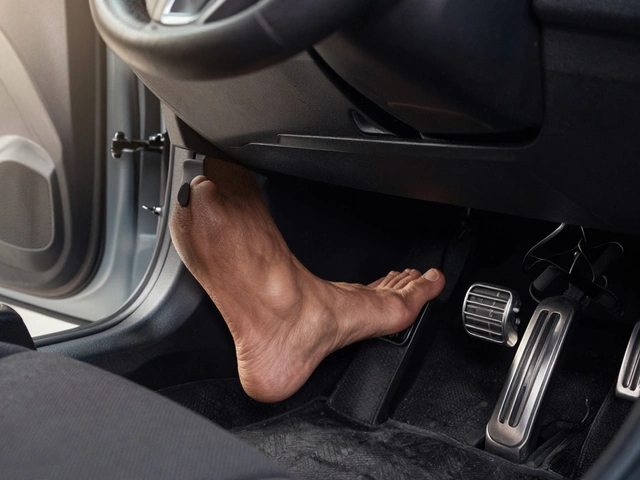
City driving is significantly harder on a clutch than highway cruising. In urban environments, you are constantly stopping, starting, and idling in traffic. Each stop-start cycle requires engaging the clutch. If you ride the clutch (keeping your foot resting on the pedal while moving) or stall the engine frequently, you accelerate wear. Conversely, highway driving involves fewer gear changes and less slippage, allowing the clutch to last much longer.
The type of vehicle matters just as much. Heavy vehicles like vans, trucks, or large SUVs put more strain on the clutch system because there is more mass to move. A Ford Transit van used for delivery services will burn through clutches far faster than a Volkswagen Golf used for commuting. Additionally, high-performance cars with powerful engines often have stiffer clutches designed to handle higher torque, but these can be more prone to premature wear if not driven smoothly.
| Driving Scenario | Vehicle Type | Estimated Mileage |
|---|---|---|
| Gentle Highway Driving | Small Hatchback | 100,000 - 150,000 miles |
| Mixed Urban/Suburban | Mid-size Sedan | 60,000 - 90,000 miles |
| Heavy City Traffic | SUV / Crossover | 40,000 - 70,000 miles |
| Commercial Delivery | Van / Truck | 30,000 - 50,000 miles |
Signs Your Clutch Is Failing
You don’t need to guess when to replace your clutch; the car will tell you. Ignoring early warning signs can lead to catastrophic failure, leaving you unable to shift gears or move the vehicle at all. Here are the most common indicators that your clutch needs attention.
- Slipping: The most obvious sign. You press the accelerator, the engine revs up, but the car doesn’t speed up proportionally. This happens when the clutch disc can no longer grip the flywheel effectively. It often occurs first when accelerating uphill or carrying a heavy load.
- High Bite Point: If you notice you have to lift the clutch pedal almost all the way before the car starts to move, the friction material may be worn thin. A normal bite point is usually around one-third to halfway up the pedal travel.
- Spongy or Sticky Pedal: A healthy clutch pedal should feel firm and return quickly. If it feels mushy, sticks, or vibrates, there could be an issue with the hydraulic system (master/slave cylinder) or the release bearing.
- Noisy Gear Changes: Grinding noises when shifting into gear, especially reverse, suggest the clutch isn’t disengaging fully. This can damage the transmission synchronizers if ignored.
- Burning Smell: A distinct odor similar to burning brakes indicates the clutch is overheating due to excessive slippage. This is a critical warning sign that immediate inspection is needed.
Clutch Kit Components and Replacement Process
When mechanics talk about replacing a clutch, they rarely mean just swapping out the disc. They install a clutch kit, which typically includes three main components: the clutch disc, the pressure plate, and the release bearing (throw-out bearing). These parts work together as a system, so replacing only one component is inefficient and risky.
The clutch disc is the part that actually grips the flywheel. Over time, the friction material wears down, reducing its ability to transmit power. The pressure plate applies force to keep the disc against the flywheel. When the disc wears thin, the pressure plate’s springs weaken, leading to inconsistent engagement. The release bearing allows the clutch to disengage when you press the pedal. It operates under high heat and stress, making it prone to failure over time.
In many cases, it is advisable to replace the flywheel as well. The flywheel spins at engine speeds and transfers rotational energy to the transmission. If the existing flywheel is glazed, cracked, or warped, installing a new clutch kit won’t solve the problem. Resurfacing or replacing the flywheel ensures smooth engagement and extends the life of the new clutch. Dual-mass flywheels, common in modern diesel vehicles, are particularly expensive and should always be replaced rather than resurfaced.
Cost of Clutch Replacement in 2026
Clutch replacement is one of the more significant maintenance costs for manual transmission owners. As of mid-2026, prices vary based on labor rates, vehicle complexity, and parts quality. In the UK, you can expect to pay between £400 and £800 for a standard passenger car. Luxury brands, performance vehicles, or those with dual-clutch transmissions (DCT) can range from £1,000 to £2,500 or more.
Labor accounts for a substantial portion of the cost because removing the transmission is time-consuming. It typically takes 4 to 8 hours of mechanic time. Independent garages often offer lower rates than dealership service centers, sometimes saving you 20-30%. However, ensure the garage uses OEM-quality parts. Cheap aftermarket kits may save money upfront but often fail prematurely, leading to repeat repairs.
Additional costs may arise if other components need replacement during the process. Since the transmission is already removed, it makes sense to inspect and replace the input shaft seal, pilot bearing, or even the rear main seal if leaking. Proactive replacement of these small, inexpensive parts prevents future leaks and saves labor costs down the line.
Extending Clutch Life: Practical Tips
While you can’t stop wear entirely, you can significantly extend your clutch’s lifespan with simple habits. Avoid resting your foot on the clutch pedal while driving. Even slight pressure engages the release bearing and causes gradual slippage. Use the handbrake when starting on hills instead of riding the clutch. This reduces heat buildup and wear during stop-and-go situations.
Shift smoothly and deliberately. Jerky shifts shock the drivetrain and increase friction. Allow the engine to reach appropriate RPMs before shifting up, and avoid lugging the engine at low RPMs in high gears. When coming to a stop, depress the clutch only after slowing down sufficiently, rather than holding it down for long periods.
If you tow regularly or carry heavy loads, consider upgrading to a heavy-duty clutch kit. These kits feature reinforced discs and stronger pressure plates designed to handle increased torque and heat. While more expensive initially, they provide better durability and performance for demanding applications.
FAQ
Can I drive with a slipping clutch?
Technically yes, but it’s not recommended. A slipping clutch generates excessive heat, which can warp the flywheel and damage the transmission. Short trips to a repair shop are acceptable, but prolonged driving risks complete failure and higher repair costs.
Is it worth replacing the flywheel?
Yes, especially if it’s a dual-mass flywheel. Single-mass flywheels can often be resurfaced if minor damage exists, but dual-mass units must be replaced. Installing a new clutch on a worn flywheel leads to premature failure and poor performance.
How long does clutch replacement take?
Most replacements take 4 to 8 hours depending on the vehicle. Front-wheel-drive cars are generally quicker to service than rear-wheel-drive models. Complex vehicles with tight engine bays or additional components may require more time.
Do automatic cars have clutches?
Traditional automatic transmissions use torque converters instead of clutches. However, dual-clutch transmissions (DCT) and CVTs with start-stop clutches do use clutch-like components. These systems require different maintenance schedules and are generally more durable but costly to repair.
What causes premature clutch failure?
Common causes include riding the clutch, aggressive driving, frequent hill starts without using the handbrake, and towing beyond the vehicle’s rated capacity. Poor installation or low-quality parts can also lead to early failure.