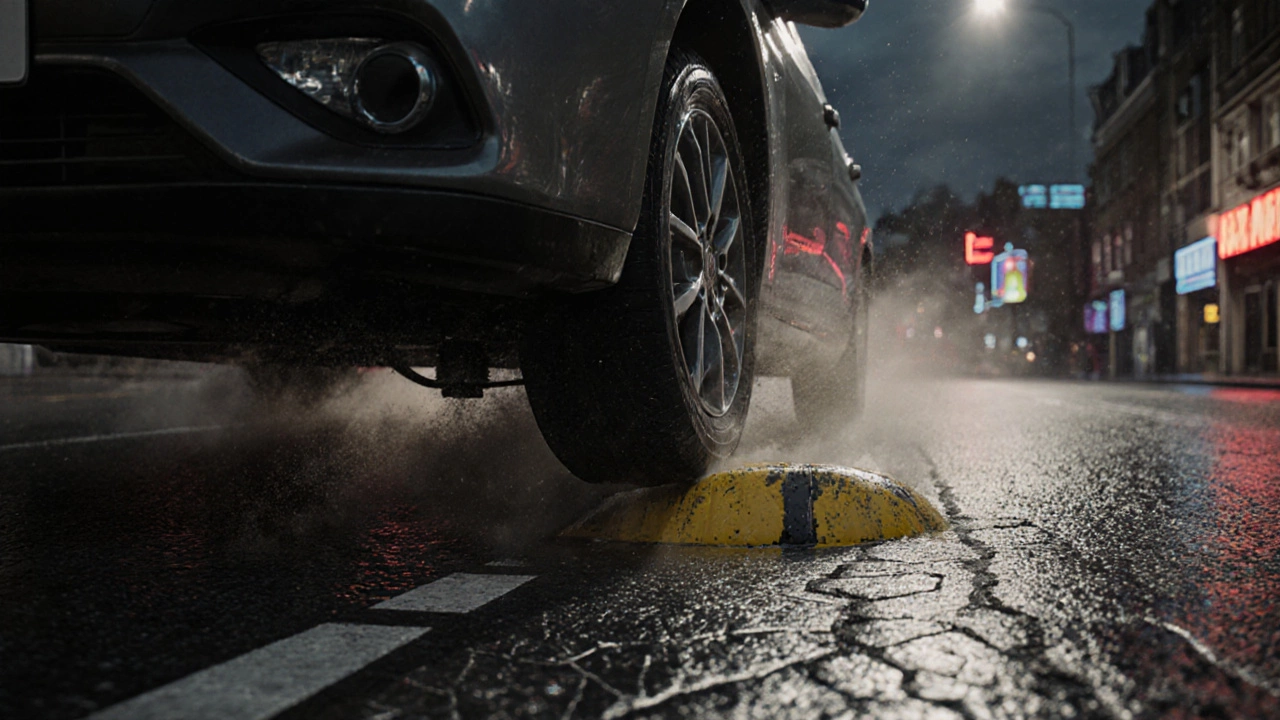
When your car car bouncing over bumps or feels like it’s floating on rough roads, it’s not just uncomfortable—it’s a warning. This isn’t normal ride behavior. It’s a sign your suspension system, the network of shocks, springs, and links that keep your tires in contact with the road is failing. Most drivers ignore it until the ride gets worse, but ignoring car bouncing can lead to uneven tire wear, poor steering control, and even damage to your front suspension, the part of your car that absorbs road impacts and keeps the wheels aligned components like control arms or ball joints. You don’t need a mechanic to spot the early signs—you just need to know what to look for.
Car bouncing usually comes down to three things: worn shock absorbers, devices that dampen spring movement to prevent bouncing, damaged springs, or a bad wheel alignment, the angle at which your tires meet the road, critical for stability and even wear. Shock absorbers wear out over time—often around 50,000 to 100,000 miles—and when they do, your car doesn’t settle after hitting a bump. It bounces. Springs can sag or break, especially if you’ve been hauling heavy loads or driving on rough roads often. And if your wheels are out of alignment, the car won’t track straight, making the bounce feel worse, especially at higher speeds.
Some people think it’s just the tires, but tire pressure won’t cause this kind of bouncing—it’ll just make the ride harsher. If your car hops over every speed bump, or if you notice the front end dipping when you brake, that’s your suspension screaming for attention. You might also see uneven tire wear, like one side of the tread wearing down faster. That’s a classic sign of suspension trouble. And if you hear clunking or rattling when you go over bumps, you’re probably dealing with worn bushings or loose components in the front suspension.
This isn’t a "maybe fix it later" issue. A failing suspension affects braking distance, handling in wet conditions, and overall safety. It’s not just about comfort—it’s about control. The good news? Most of the time, you don’t need a full rebuild. Replacing worn shocks or getting an alignment can bring your car back to normal. And if you’re already replacing parts, it’s smart to check your front suspension, the part of your car that absorbs road impacts and keeps the wheels aligned components like struts, control arms, and sway bar links while you’re at it. Many of the fixes are simple enough for a DIYer with basic tools, but if you’re unsure, a professional inspection is worth the cost.
Below, you’ll find real-world guides from drivers who’ve dealt with exactly this problem—how to tell if your shocks are gone, when to replace suspension parts, and how to avoid overpaying for repairs. Whether you drive a Fiat 500, an Alfa Romeo Giulia, or a Maserati, the signs of bad suspension are the same. Don’t wait for it to get worse. Fix it now, before it costs you more in tires, brakes, or worse.