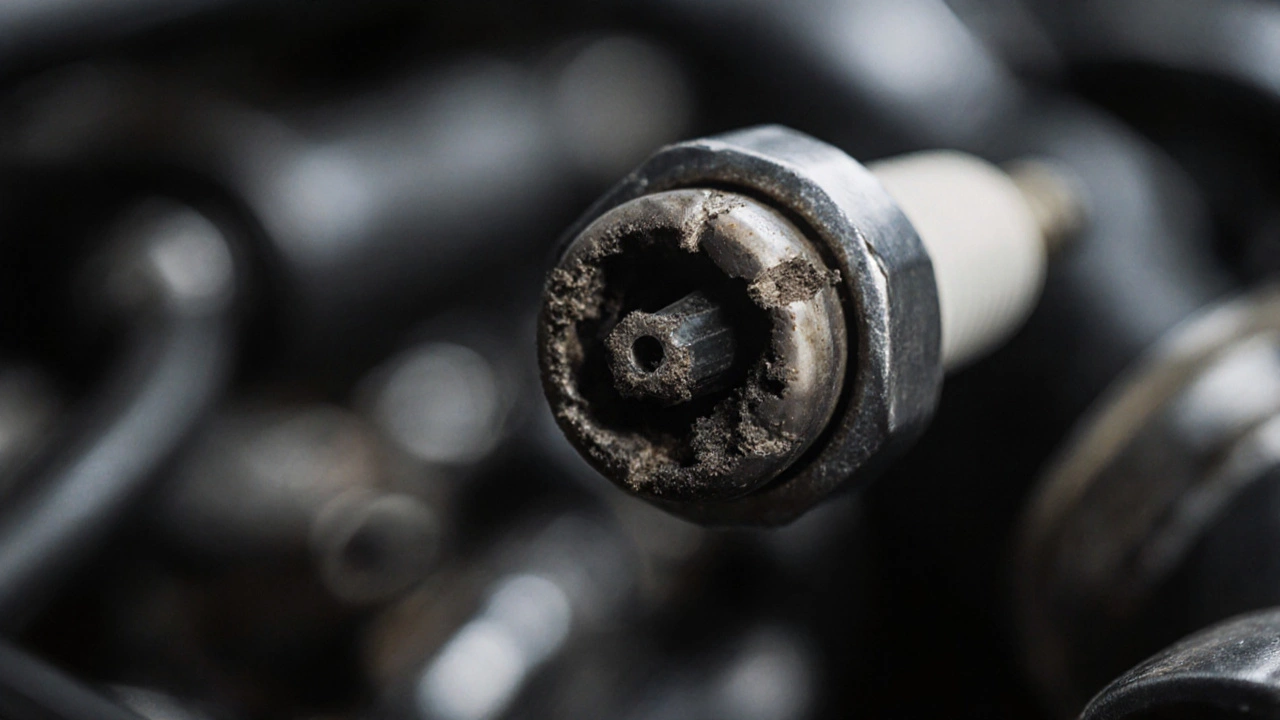
When your car misfire, a condition where one or more cylinders fail to ignite fuel properly, causing rough running, loss of power, and sometimes a check engine light. Also known as engine misfire, it’s not just annoying—it’s a warning that something in your ignition or fuel system is failing. You might feel it as a stutter when accelerating, hear it as a popping sound from the exhaust, or notice your car shaking at idle. It’s not a "wait and see" issue. Left unchecked, a misfire can overheat your catalytic converter, damage your engine, and cost you hundreds in repairs.
The root causes are usually simple, but they’re easy to ignore. Most misfires come down to three things: spark plugs, the components that ignite the air-fuel mixture in your engine’s cylinders, fuel system, including injectors, pumps, and filters that deliver fuel under pressure, or the ignition system, which includes coils, wires, and sensors that control when and how sparks are delivered. A worn spark plug, a clogged fuel injector, or a failing coil pack can all trigger the same symptom. And because Italian cars like Alfa Romeos and Fiats often run high-performance engines, they’re especially sensitive to small inconsistencies in fuel or spark timing.
You don’t need a diagnostic scanner to spot the early signs. If your car hesitates when you press the gas, or the idle feels uneven, start with the basics. Check your spark plugs—they’re cheap, easy to replace, and often the culprit. Look at your air filter too; a clogged one starves the engine of air and throws off the fuel mixture. And don’t ignore fuel quality. Dirty fuel or old gas can clog injectors fast, especially in cars that sit for weeks. Many of the posts below walk you through exactly how to test these parts yourself, without guessing or overpaying at the shop.
What you’ll find here aren’t generic theory guides. These are real fixes from people who’ve been there: how to tell if your misfire is from a bad coil or a failing fuel pump, what to replace when you’re already in there, and why some "quick fixes" actually make things worse. Whether you’re driving a classic Maserati or a daily-driver Fiat, the fixes are the same—just the parts change. This collection gives you the clarity to act fast, save money, and keep your Italian car running smooth.