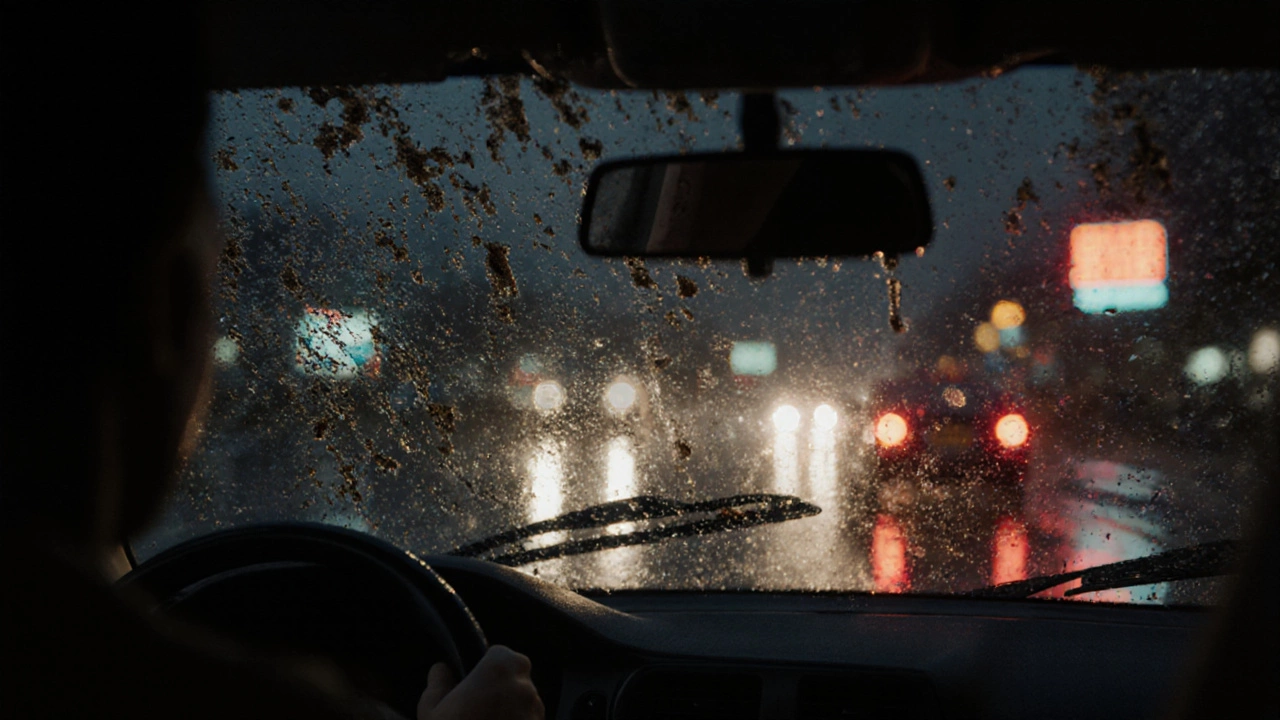
When it comes to car wiper maintenance, the routine care of windshield wipers to ensure clear visibility during rain, snow, or dust. Also known as windshield wiper care, it’s one of those things you don’t think about until you’re driving in a downpour and your blades smear, streak, or skip across the glass. Ignoring it isn’t just annoying—it’s dangerous. A single bad wipe can hide a pedestrian, a stop sign, or a sudden brake light. And while most drivers check their oil or tires regularly, wipers get forgotten until they fail.
Rubber wiper blades, the traditional type made from natural or synthetic rubber that contacts the windshield are the most common, but they degrade fast—especially in UV light, extreme heat, or freezing temps. They crack, harden, and lose their flexibility, which means they don’t hug the glass anymore. That’s when you get that annoying chatter or smearing. Then there’s silicone wiper blades, a newer option made from silicone rubber that resists heat and UV better than traditional rubber. They last longer, wipe cleaner in heavy rain, and don’t leave residue. But they cost more, and not every car needs them. If you drive mostly in dry, mild weather, rubber works fine. If you face constant rain, snow, or sun, silicone pays for itself.
Car wiper maintenance isn’t just about swapping blades. It’s also about the windshield cleaning, the process of removing dirt, bugs, tree sap, and road grime from the glass to help wipers perform properly. A dirty windshield wears out blades faster. Use proper glass cleaner—not vinegar or dish soap—because those can leave films that make streaking worse. And don’t forget the washer fluid. Cheap fluid freezes in winter or just smears dirt around. Use a seasonal blend that matches your climate.
Most people replace wipers once a year, but that’s a guess. The real signal? When they start making noise, leave streaks, or miss spots even after cleaning the glass. If you see the rubber peeling or the metal frame bending, it’s time. Don’t wait for a storm to find out. And if you’re thinking about buying blades at a big-box store like AutoZone, remember: free installation doesn’t mean better quality. Check the fit, the material, and the reviews. Not all blades are made equal.
What you’ll find below are real, no-fluff guides on what actually works. From how silicone compares to rubber, to why your wipers might be failing even if they look fine, to what to check before you buy. No marketing hype. Just clear, practical info from people who’ve been there—whether you drive an Alfa Romeo in the rain or a Fiat in the dust. Keep your view sharp. Your safety depends on it.