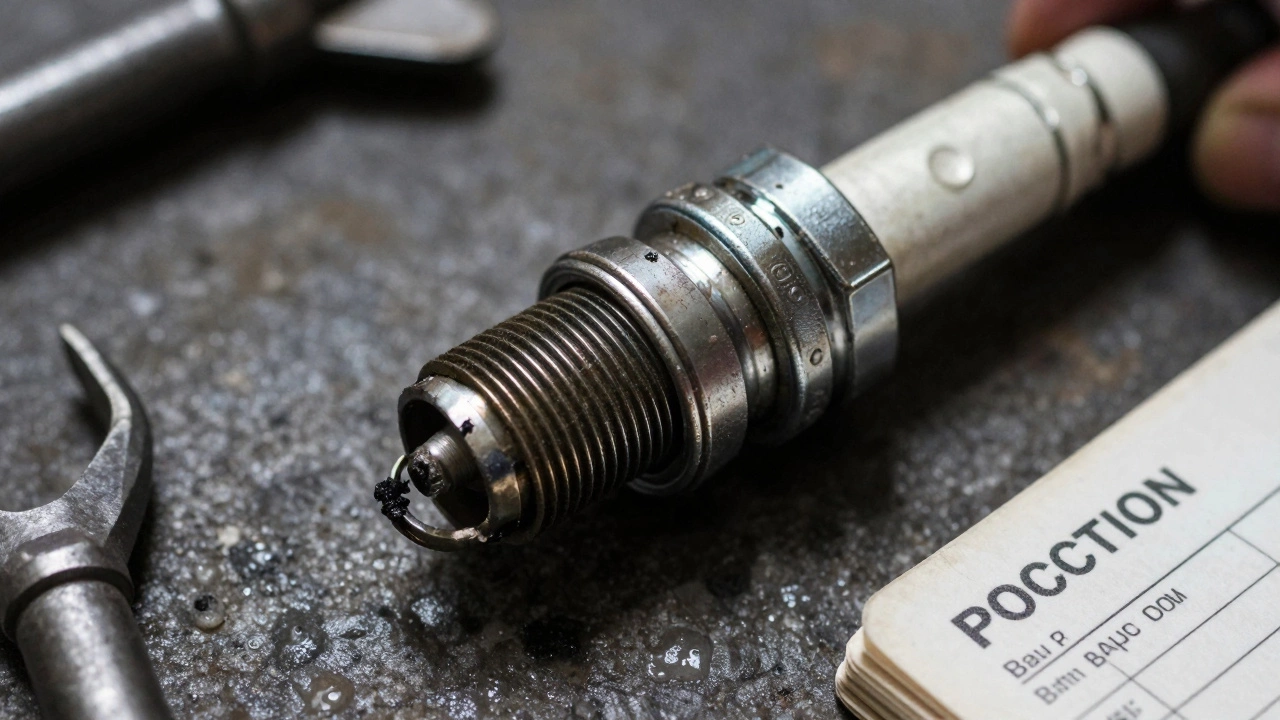
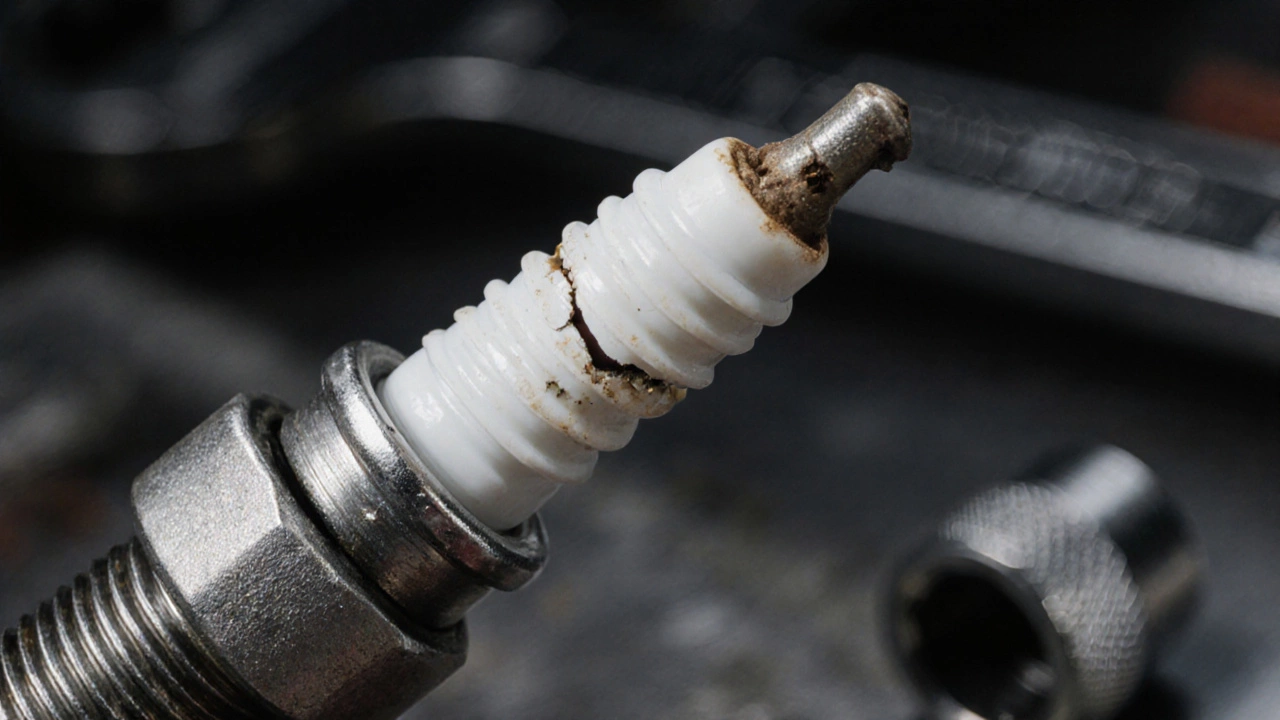
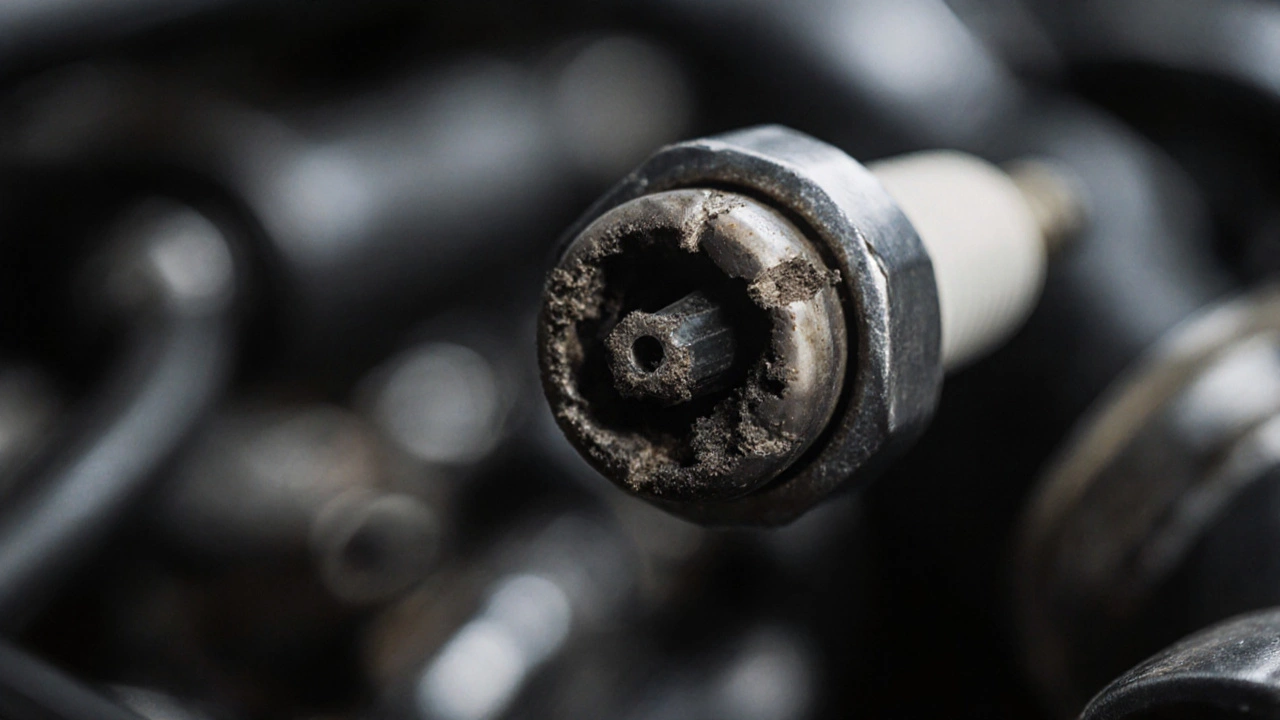
When your spark plug, a small but critical component that ignites fuel in your engine’s combustion chamber starts to fail, your car doesn’t always scream for help—it just slows down, sputters, or refuses to start. You might think it’s the battery, the fuel pump, or even the weather. But more often than not, it’s the spark plug. These tiny parts work under extreme heat and pressure, and when they wear out, they don’t just stop working—they start causing chain reactions that hurt your engine’s performance, waste fuel, and can even damage your catalytic converter.
There are clear engine performance, how well your car accelerates, idles, and responds to throttle input red flags. If your car hesitates when you press the gas, or if it stumbles at stoplights, that’s not normal. A misfiring engine often feels like it’s coughing. You might hear a rough idle or a ticking sound under the hood. Fuel efficiency drops without any other change in driving habits. And if your check engine light flashes, especially with a P0300 code, it’s almost always linked to spark plug failure. These aren’t vague symptoms—they’re direct results of weak or no spark reaching the combustion chamber. A bad spark plug doesn’t just affect ignition; it throws off the entire ignition system, the network of wires, coils, and sensors that deliver the spark to ignite fuel. That’s why replacing worn plugs isn’t just about fixing a part—it’s about restoring balance to your engine’s core function.
What makes spark plug issues tricky is how they hide. Unlike a leaking radiator or a noisy brake, a failing spark plug doesn’t leak fluid or make grinding sounds. It just makes your car feel lazy. You might blame bad gas, cold weather, or old oil. But if you’ve had your plugs for over 60,000 miles and your Alfa Romeo or Fiat is acting up, it’s time to check them. Even if your car still runs, worn plugs force the engine to work harder, burning more fuel and increasing carbon buildup. The good news? Replacing them is simple, cheap, and fast. You don’t need fancy tools or a mechanic. Most DIYers can swap them in under an hour. What you’ll find below are real stories from owners who noticed these symptoms, what they did about it, and how much it actually cost to fix—before things got worse.