Wrong Oil Damage Risk Assessor
Select the specific error made and how far you have driven to determine the severity and recommended fix.
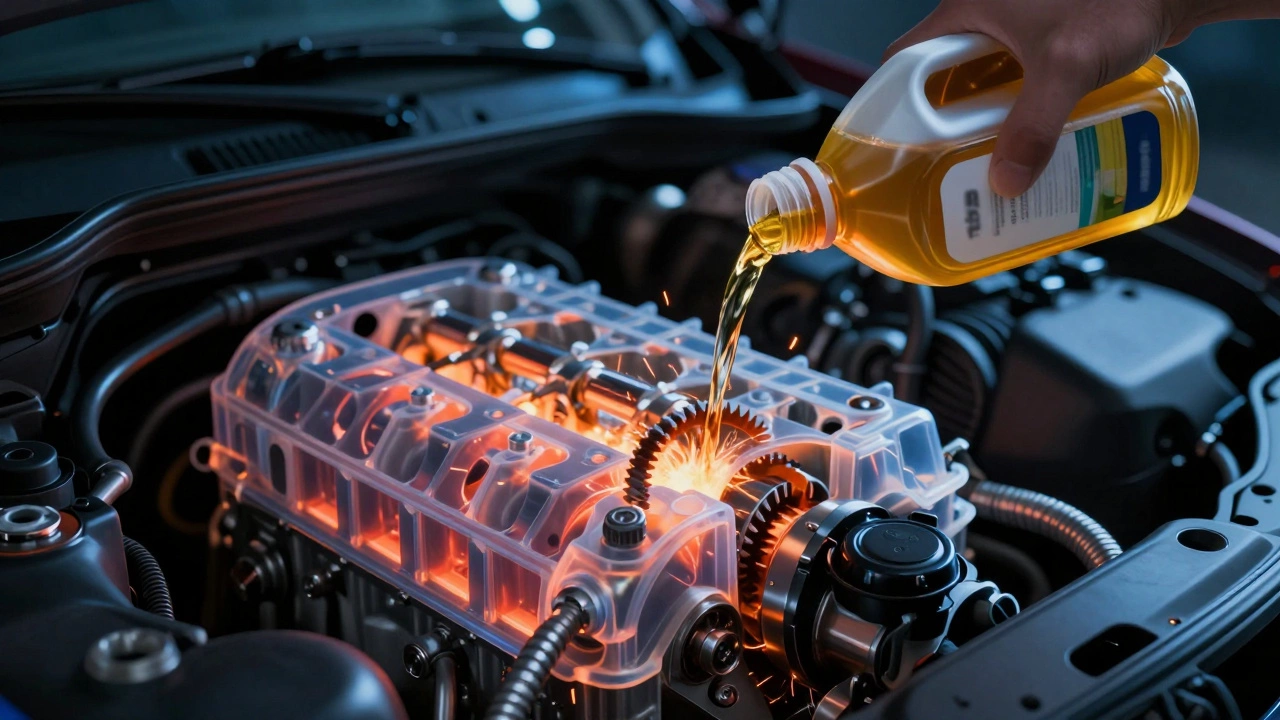
You pour the bottle into the filler cap. The dipstick reads full. You start the engine, and for a few seconds, everything sounds normal. But inside your engine, a silent crisis might already be brewing. Putting the wrong engine oil is the lubricant that reduces friction between moving parts in an internal combustion engine isn't just a minor mistake; it can lead to catastrophic failure if left unaddressed. Whether you grabbed the wrong bottle at the garage or misread the manual, understanding the immediate and long-term consequences is crucial for saving your vehicle.
The severity of the damage depends entirely on what went wrong. Did you use a synthetic instead of mineral? Or did you put diesel oil in a petrol engine? Some errors are easily reversible with a quick top-up or drain. Others require a complete engine flush or even a rebuild. Let’s break down exactly what happens when you miss the mark, how to spot the signs, and most importantly, how to fix it before your car breaks down on the M4.
The Immediate Reaction: Friction and Heat
When you start the engine after adding incorrect oil, the first thing that changes is the viscosity is a measure of a fluid's resistance to flow, determining how thick or thin the oil is. Think of viscosity like the difference between honey and water. If the oil is too thick (high viscosity) for your engine, it won’t circulate quickly enough when you turn the key. This creates a delay in lubrication during startup, which is when engines suffer the most wear. Metal parts grind against each other dry for those critical first few seconds.
If the oil is too thin (low viscosity), it flows instantly but fails to create a protective film between moving components. Under high pressure and heat, this thin layer breaks down, allowing metal-to-metal contact. You might not hear anything immediately, but micro-wear begins accumulating with every revolution of the crankshaft. In modern cars with tight tolerances, using oil that is too thin can cause oil pressure warnings within minutes as the pump struggles to maintain adequate pressure through the expanded gaps.
Heat management is the second casualty. Engine oil doesn’t just lubricate; it cools. Incorrect oil disrupts this thermal balance. Thick oil traps heat because it moves sluggishly through the oil galleries. Thin oil flashes off or degrades rapidly under high temperatures, losing its ability to carry heat away from the pistons and bearings. Within an hour of driving, your engine temperature gauge might creep higher than usual, even if the coolant system is perfect.
Common Mistakes and Their Specific Consequences
Not all oil errors are created equal. The damage varies significantly based on the type of mismatch. Here are the three most common scenarios drivers face in the UK, where we often switch between seasonal oils or buy generic bottles without checking specifications.
| Mistake Type | Immediate Effect | Long-Term Risk | Severity |
|---|---|---|---|
| Wrong Viscosity (e.g., 5W-30 instead of 0W-20) | Poor cold starts, sluggish circulation | Increased wear on camshafts and bearings | Medium to High |
| Wrong Specification (e.g., non-synthetic in turbo engine) | Rapid breakdown under heat | Turbocharger seizure, sludge buildup | High |
| Diesel vs. Petrol Oil | Chemical incompatibility | Catalytic converter damage, soot accumulation | Very High |
| Overfilling (Too much oil) | Foaming, aerated oil | Seal leaks, oil pump starvation | Medium |
Viscosity Errors: Using a thicker oil than recommended, such as pouring 10W-40 into a modern Japanese engine designed for 0W-20, is a frequent error among older drivers accustomed to classic cars. The immediate result is poor fuel economy and harder starting in winter. Over time, the increased drag causes the timing chain to stretch faster due to insufficient hydraulic tensioner pressure. Conversely, using thinner oil in an older, high-mileage engine leads to excessive oil consumption and potential bearing knock.
Specification Mismatches: Modern engines have specific API (American Petroleum Institute) or ACEA (European Automobile Manufacturers Association) standards. For example, many European diesels require low-SAPS (Sulphated Ash, Phosphorus, Sulphur) oil to protect their Diesel Particulate Filters (DPF). Using standard high-ash oil clogs the DPF rapidly, leading to expensive regeneration failures or filter replacements costing over £500. Similarly, turbocharged petrol engines demand high-temperature stability found only in full synthetic oils. Mineral oil will varnish up the turbo bearings, causing premature failure.
Fuel Type Confusion: Accidentally putting diesel-specific oil in a petrol engine is rare but devastating. Diesel oils contain additives designed to handle soot and high alkalinity. These additives can foul spark plugs and coat oxygen sensors in petrol engines, triggering check engine lights and reducing efficiency. More dangerously, some diesel oils have different detergents that can dislodge existing sludge, blocking oil pickup screens and causing total engine starvation.
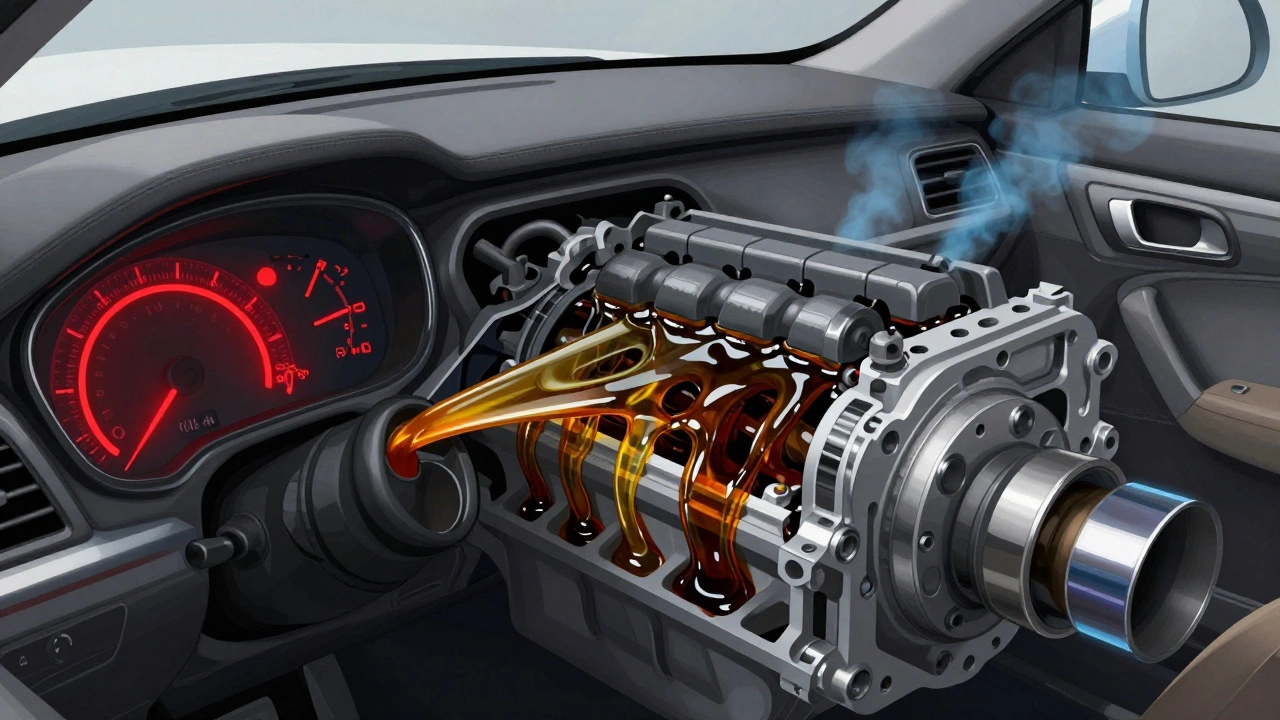
Signs That Something Is Wrong
Your car will often tell you something is amiss if you know what to listen for. Ignoring these warning signs turns a simple oil change into a major repair bill. Pay attention to these indicators within the first 100 miles of driving with the wrong oil.
- Noisy Valve Train: A ticking or tapping sound from the top of the engine usually indicates insufficient lubrication pressure. Hydraulic lifters need consistent oil flow to stay collapsed. Thin oil or air bubbles prevent them from functioning correctly.
- Oil Pressure Warning Light: If the red oil can icon illuminates on your dashboard, pull over immediately. This means the oil pump cannot maintain pressure, often due to oil that is too thin or has broken down completely.
- Blue Exhaust Smoke: Burning oil manifests as blue-grey smoke. While this can indicate worn seals, using oil that is too thin allows it to seep past piston rings more easily, especially under acceleration.
- Sluggish Performance: If your car feels heavy, accelerates poorly, or lacks power, the engine may be fighting against excessive internal drag caused by overly viscous oil.
- Hot Engine Temperatures: Check your temperature gauge. If it runs hotter than usual, even on short trips, the oil may not be cooling the engine effectively.
How to Fix It: Step-by-Step Recovery
If you suspect you’ve used the wrong oil, don’t panic. The solution depends on how much of the correct oil remains in the sump and how far you’ve driven. Time is your enemy here; the longer you drive, the more contaminants mix with the new oil.
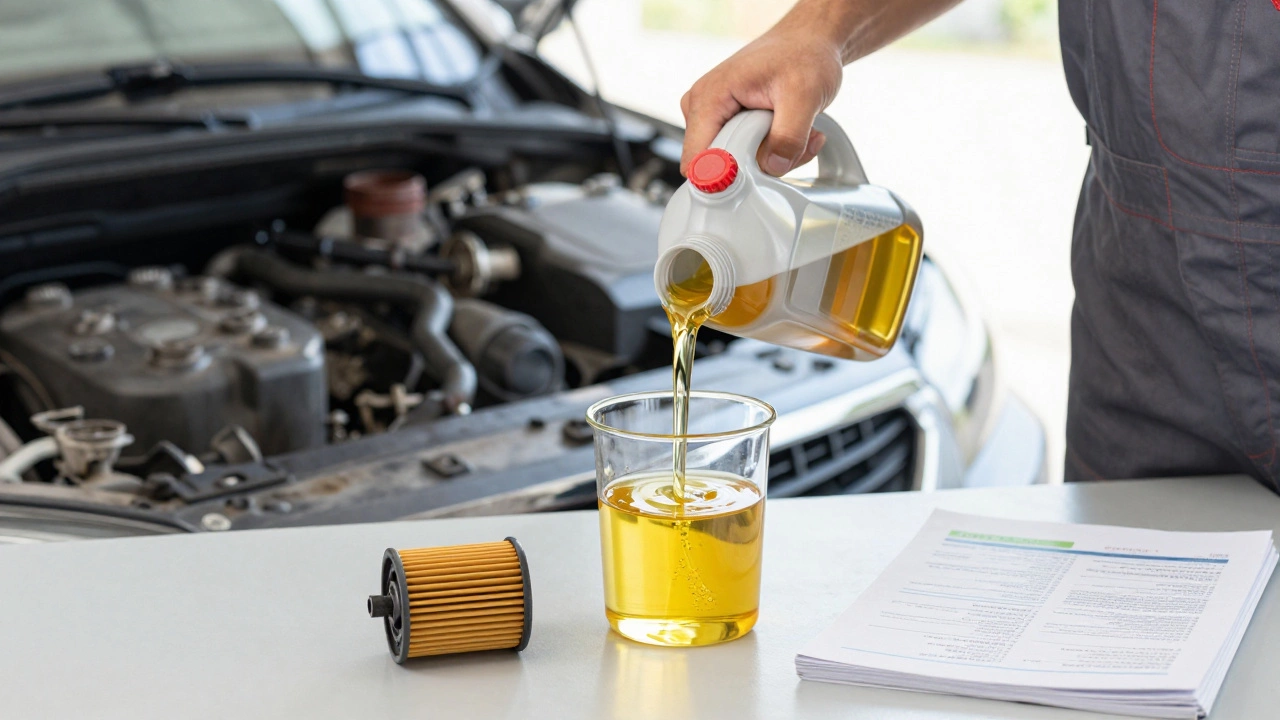
- Stop Driving Immediately: If you haven’t started the engine yet, you’re lucky. Simply drain the oil and replace it with the correct type. No harm done.
- Assess the Mix: If you started the engine but drove less than 5 miles, the contamination is minimal. You can often fix this by draining the current oil and refilling with the correct specification. However, if you mixed two very different types (e.g., synthetic and conventional), a partial drain might leave residues that degrade performance.
- Perform an Oil Flush (If Necessary): For significant mixing or if you’ve driven more than 20 miles, consider an oil flush. This involves filling the engine with a flushing agent or fresh correct oil, running it for 5-10 minutes, then draining it completely. Follow this with a new filter and the correct oil. Note: Avoid aggressive chemical flushes in high-mileage engines as they can dislodge sludge and block passages.
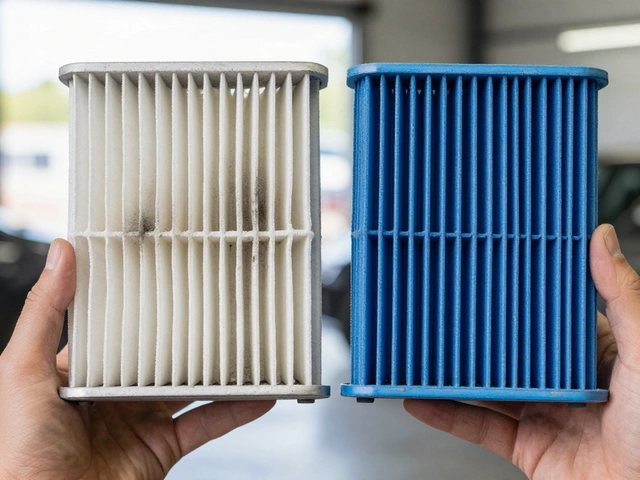
- Replace the Oil Filter: Always change the filter when correcting an oil error. The old filter contains trapped particles and residual wrong oil that will contaminate the fresh supply.
- Check for Residual Issues: After the correction, monitor your oil pressure and engine noise for the next 50 miles. If knocking persists, have a mechanic inspect the bearings for wear.
Prevention: How to Avoid Costly Mistakes
Preventing the wrong oil issue is easier than fixing it. With so many products on the shelf, confusion is common. Here’s how to ensure you always get it right.
Read the Owner’s Manual, Not the Bottle: Marketing labels on oil bottles can be misleading. Terms like “High Performance” or “All Season” don’t guarantee compatibility. Your owner’s manual specifies the exact viscosity grade (e.g., 5W-30) and certification standard (e.g., API SP, ACEA C3). Keep a photo of this page in your phone.
Understand Your Engine’s Needs: Older engines with wider clearances often tolerate thicker oils better. Newer, direct-injection engines require precise, low-ash formulations to protect emissions systems. Turbocharged engines need robust synthetic oils to withstand extreme heat. Electric vehicles with range-extender engines have unique requirements that differ from traditional ICEs.
Label Your Supplies: If you keep multiple bottles of oil in your garage, label them clearly with the car model and year. Never assume a leftover bottle from last year’s service is suitable for this year’s needs, especially if you changed vehicles.
Use Professional Services: When in doubt, let a qualified mechanic handle the oil change. They have access to manufacturer-specific databases and can verify the correct product for your VIN (Vehicle Identification Number).
Conclusion: Don’t Gamble With Lubrication
Putting the wrong oil in your car is a risk no driver should take lightly. While minor viscosity mismatches might only reduce fuel efficiency, severe errors like using diesel oil in a petrol engine or ignoring turbo-specific requirements can destroy your engine in hundreds of miles. The cost of a proper oil change is negligible compared to the price of a rebuilt engine. Always verify the specifications, check your dipstick regularly, and address any unusual noises or warnings immediately. Your engine relies on that thin film of oil to survive-make sure it’s the right one.
Can I mix different types of engine oil?
Technically, yes, most modern oils are compatible enough to mix in an emergency. However, mixing synthetic and conventional oil dilutes the benefits of both. The resulting blend may not meet the performance standards required by your engine, potentially leading to increased wear or reduced protection under high stress. It is best to drain and refill with the single correct type as soon as possible.
What happens if I use 10W-40 instead of 5W-30?
Using 10W-40 in an engine designed for 5W-30 introduces thicker oil. In warm weather, this might seem fine, but in colder conditions, the 10W-40 will be sluggish, delaying lubrication during startup. This increases wear on critical components like camshafts and bearings. Long-term use can also strain the oil pump and reduce fuel efficiency due to higher internal drag.
Is it dangerous to put diesel oil in a petrol car?
Yes, it can be harmful. Diesel oils contain additives designed to neutralize acids and manage soot from diesel combustion. These additives are unnecessary in petrol engines and can foul spark plugs, clog oxygen sensors, and damage catalytic converters. While a small amount might not cause immediate failure, prolonged use will lead to expensive emissions system repairs.
How do I know if my engine was damaged by wrong oil?
Signs of damage include persistent knocking or ticking noises, low oil pressure warnings, blue exhaust smoke, and overheating. If you experience any of these symptoms after using incorrect oil, stop driving and have a mechanic perform a compression test and inspect the bearings for wear. Early detection can prevent total engine failure.
Should I use an oil flush if I made a mistake?
An oil flush is recommended if you have driven more than 20 miles with the wrong oil or if you mixed incompatible types. Flushing helps remove contaminated oil and residues that a simple drain might leave behind. However, avoid harsh chemical flushes in high-mileage engines, as they can dislodge sludge and block oil passages. A gentle flush with fresh correct oil is safer.