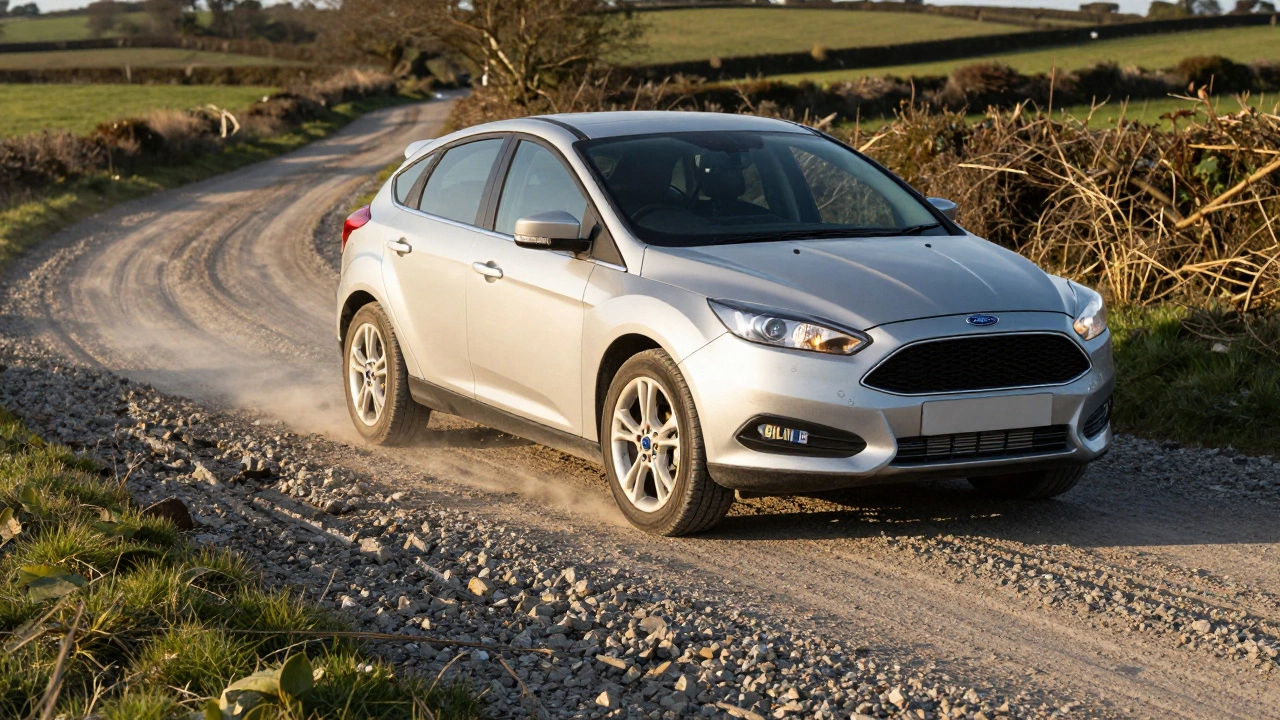
When you’re driving over potholes, cracked pavement, or uneven country lanes, your suspension, the system that connects your wheels to the car’s frame and absorbs road shocks. Also known as ride control system, it’s the quiet hero keeping your car stable, your tires gripping, and your passengers comfortable. If your suspension is worn out, every bump turns into a jolt—and worse, it starts hurting your brakes, tires, and steering. You don’t need fancy race parts to fix this. You just need the right setup for real-world roads.
The struts, a key part of most modern suspensions that combine a shock absorber and spring into one unit. wear out faster than you think. Signs? Your car bounces like a basketball after hitting a bump, the front dips hard when braking, or you hear clunks when going over speed bumps. These aren’t just annoyances—they mean your tires aren’t staying flat on the road, which makes stopping longer and steering less precise. And if you’re driving on rough roads often, worn struts can wear out your tires in just a few thousand miles. Then there’s the shock absorbers, the components that control how fast the springs compress and rebound.. They don’t carry weight like springs do, but they control the motion. If they’re leaking oil or feel spongy, your suspension isn’t doing its job.
What makes a suspension system good for bumpy roads isn’t about being stiff or soft—it’s about balance. Too soft, and you wallow over every bump. Too stiff, and you feel every crack in the pavement. The best setups for rough roads use durable components with enough travel to absorb impacts without bottoming out. Brands like Bilstein, Koni, and Eibach make replacements designed for real driving conditions—not just showrooms. And if you drive an Italian car—Fiat, Alfa Romeo, or Lancia—you’ll find parts built to match the original design, not just generic fits.
Ignoring bad suspension isn’t just uncomfortable—it’s dangerous. It increases stopping distance, makes your car harder to control in emergencies, and can even cause your tires to lose grip suddenly. That’s why checking your suspension isn’t something you wait for until it fails. If you’ve noticed any of those bounces, clunks, or uneven tire wear, it’s time to look closer. Below, you’ll find real-world guides on spotting worn struts, understanding what causes suspension failure, and what happens when you drive with bad components. No fluff. Just what you need to know to keep your car safe and smooth on the worst roads.