When a blown head gasket, a sealed component between the engine block and cylinder head that keeps coolant, oil, and combustion gases separated. Also known as a failed head gasket, it’s one of the most serious engine problems you can face. It doesn’t happen overnight, but if you ignore the early signs, you’ll end up with a wrecked engine. A head gasket keeps coolant from mixing with oil and prevents combustion pressure from escaping. Once it fails, those systems cross-contaminate—and your car starts sending you clear, urgent signals.
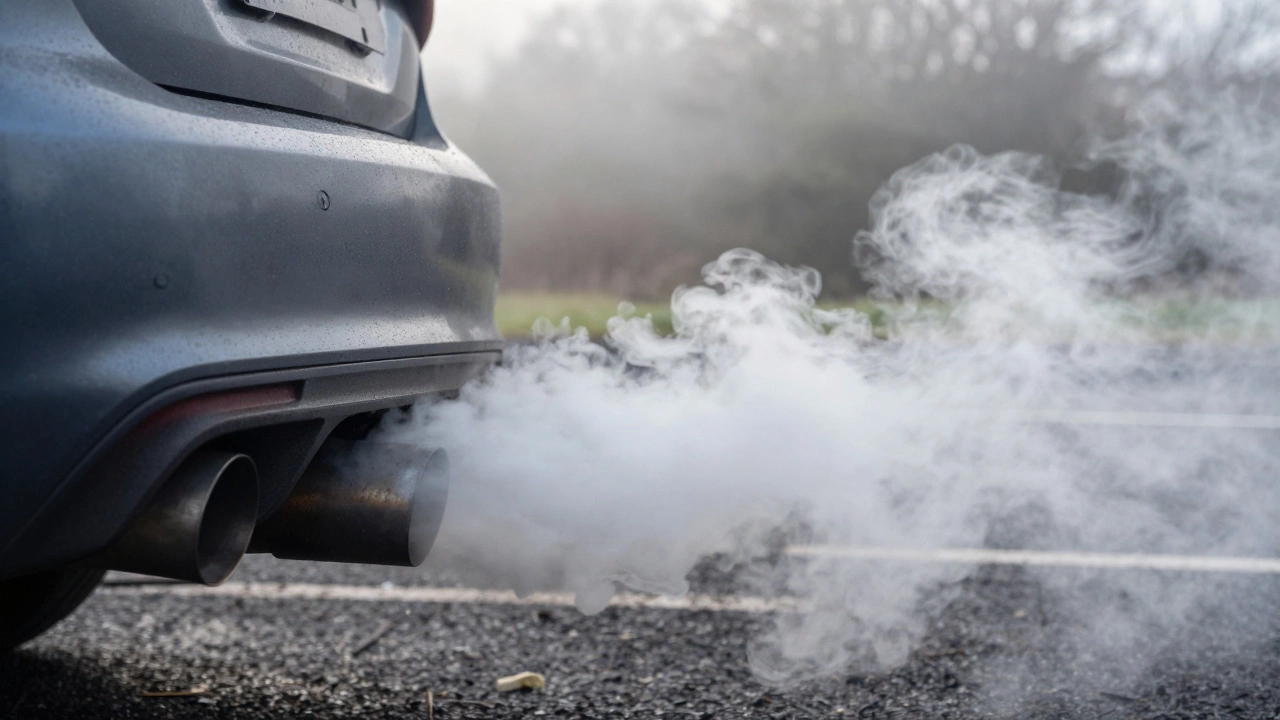
One of the most obvious engine overheating, a condition where the engine runs hotter than its designed operating temperature due to cooling system failure is a sure sign something’s wrong. If your temperature gauge spikes, especially after short drives, don’t just top up coolant and keep going. That’s like ignoring a warning light because the battery still turns the starter. A blown head gasket lets combustion gases leak into the cooling system, creating air pockets that stop coolant from flowing properly. You’ll also see white smoke from exhaust, a thick, sweet-smelling vapor caused by coolant burning in the combustion chamber. It’s not just steam—it’s coolant being turned into vapor, and it smells like burnt sweet potatoes. If you notice that, especially on cold mornings, it’s not normal.
Another red flag is coolant loss, unexplained reduction in engine coolant level without visible external leaks. You’re not seeing puddles under the car, but your reservoir keeps dropping. That’s because coolant is leaking into the cylinders or mixing with oil. And if you check your oil dipstick and it looks like chocolate milk—that’s a classic sign. The milky substance is coolant mixed with oil, which destroys lubrication and can seize your engine. You might also hear bubbling in the radiator or overflow tank when the engine is running. That’s exhaust gases forcing their way into the cooling system.
Some drivers miss the early signs because the car still starts and runs. But a failing head gasket gets worse fast. You’ll start losing power, especially under load. The engine might misfire or run rough. Fuel economy drops because combustion pressure escapes instead of pushing the pistons. And if you wait too long, you risk warping the cylinder head or cracking the block—costing thousands more than a gasket replacement.
The posts below cover real-world cases from UK drivers who spotted these symptoms early—and those who didn’t. You’ll find guides on how to test for a blown head gasket without expensive tools, what to check before replacing it, and why some fixes are temporary at best. Whether you’re dealing with a Fiat, Alfa Romeo, or Maserati, the signs are the same. Don’t guess. Don’t delay. These are the clues your engine is screaming for help.