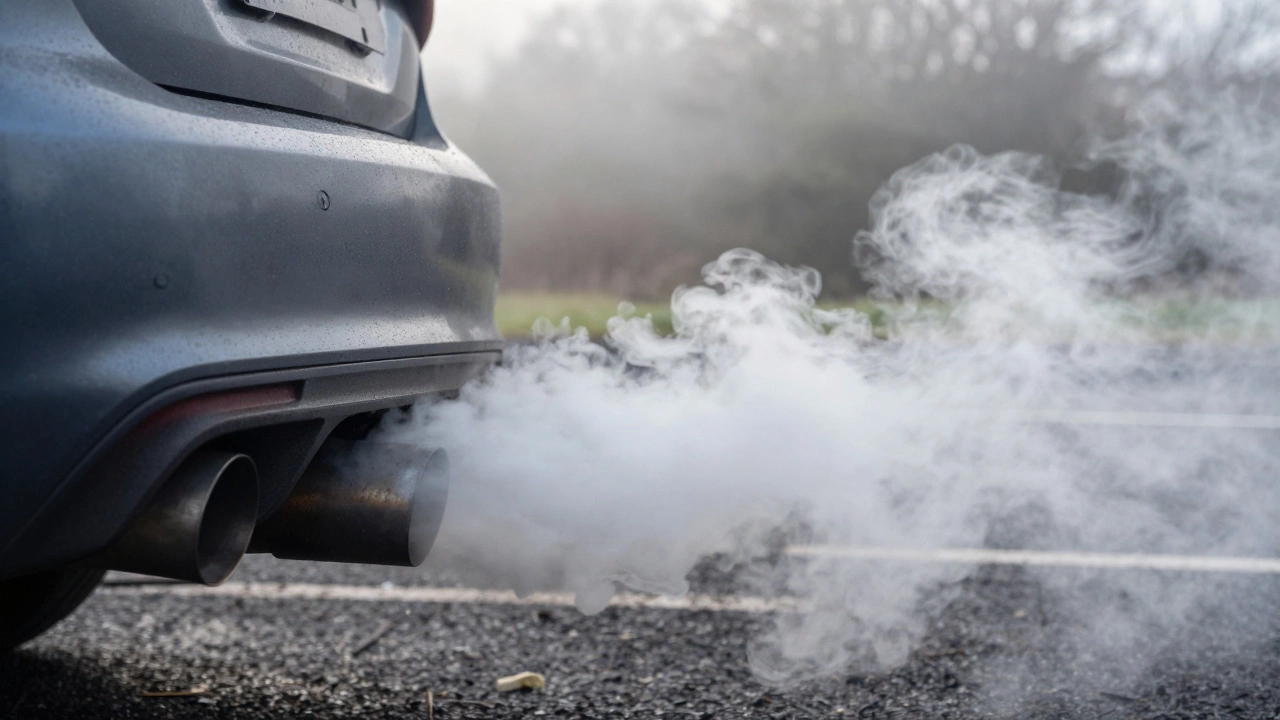
When your engine starts acting up—overheating, losing power, or puffing out thick white smoke—it might not be a simple fix. More often than not, it’s a head gasket failure, a sealed barrier between the engine block and cylinder head that keeps coolant, oil, and combustion gases separate. Also known as a blown head gasket, this is one of the most serious engine problems you can face. It doesn’t happen overnight. It creeps up because of overheating, poor maintenance, or just old age. And if you ignore it, you’re not just risking a breakdown—you’re risking a total engine rebuild.
Here’s what usually goes wrong: when the head gasket fails, coolant leaks into the combustion chamber. That’s why you see white smoke from the exhaust, thick, sweet-smelling steam that looks like a train engine. It’s not just water vapor—it’s antifreeze burning. At the same time, oil and coolant mix, turning your dipstick into a milkshake. That’s the milky oil, a telltale sign of coolant mixing with engine oil due to a compromised seal. And if your car keeps overheating even after topping up coolant, you’re not just low on fluid—you’ve got a leak inside the engine. These aren’t random issues. They’re the direct result of a failed head gasket.
Some people try to fix it with stop-leak additives. Don’t. They might temporarily mask the problem, but they don’t fix the seal. And they can clog your radiator or heater core, making things worse. The only real fix is replacement. But before you panic, check for the simpler stuff first: is your thermostat stuck? Is the radiator clogged? Is the cooling fan working? Those can mimic head gasket failure. But if you’ve ruled those out and still have white smoke, milky oil, or constant overheating, you’re dealing with the real thing.
What you’ll find below are real-world stories from people who’ve been there. Some caught it early and saved their engine. Others waited too long—and paid the price. You’ll see how to spot the signs before it’s too late, what tools and parts you actually need, and how to avoid being overcharged at the shop. This isn’t theory. It’s what works on UK roads, in winter freezes, and after long highway drives. If your Italian car is acting strange, don’t guess. Read what others learned the hard way—and save yourself a fortune.