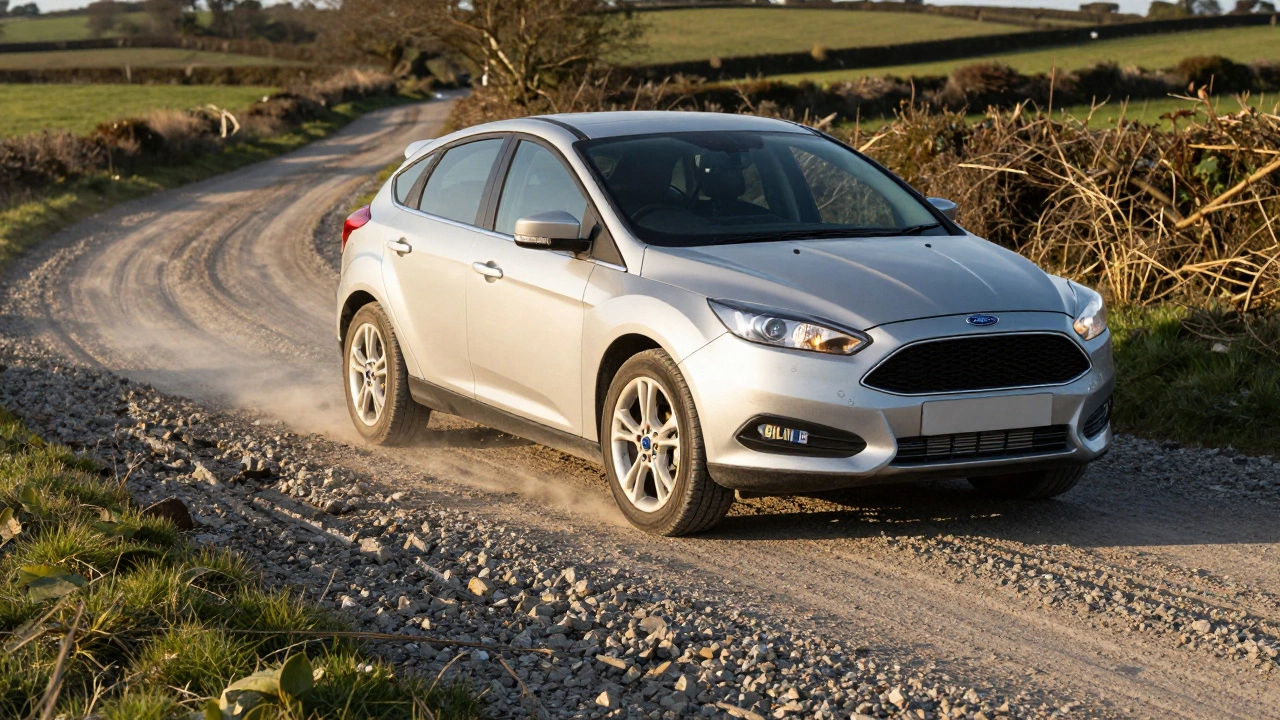
When you’re tackling dirt trails, rocky hills, or muddy backroads, your car doesn’t just need tires—it needs an off-road suspension, a reinforced system designed to absorb extreme impacts and maintain tire contact over uneven ground. Also known as heavy-duty suspension, it’s built to handle far more stress than standard factory setups, making it essential for anyone who drives beyond paved roads. Unlike regular suspension, which prioritizes comfort on highways, off-road suspension focuses on durability, travel distance, and control when the ground disappears beneath you.
This kind of system isn’t just about taller shocks. It includes stronger suspension struts, critical components that combine shock absorbers and coil springs into one unit, designed to handle heavy loads and repeated impacts, upgraded control arms, and often aftermarket springs or coilovers. These parts work together to keep your wheels planted, even when you’re bouncing over ruts or climbing steep inclines. If your suspension is worn out, you’re not just getting a bumpy ride—you’re risking suspension failure, a dangerous condition where parts break or lose function, leading to loss of steering control or uneven tire wear. That’s why so many off-road drivers check their struts, bushings, and mounts before every trail trip.
What you find in the posts below isn’t just theory. It’s real-world experience from people who’ve driven with bad suspension, replaced worn struts, or upgraded their systems after a rough ride left them stranded. You’ll see what signs to watch for—like clunking noises, excessive body roll, or uneven tire wear—that tell you it’s time to act. You’ll also learn how a failing suspension doesn’t just hurt your comfort—it affects braking, steering, and overall safety. Whether you’re running a lifted Jeep, a modified Land Rover, or just a daily driver that takes the occasional dirt road, the right suspension setup makes all the difference. The guides here cut through the noise and give you what actually works.