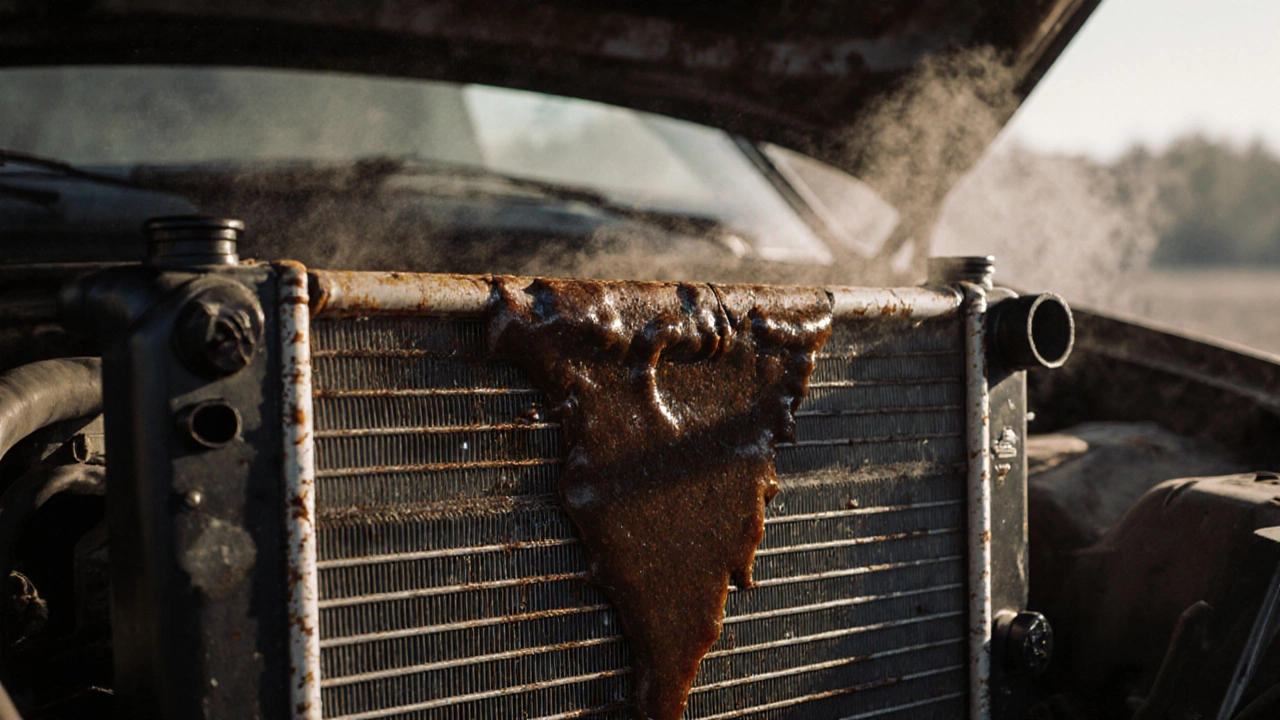
When your car starts running hot, the radiator, the main component that keeps your engine from overheating by circulating coolant. Also known as engine cooler, it’s one of the most overlooked parts in your car—until it fails. Most radiators last between 8 and 12 years, but that’s only if you keep up with basic maintenance. Skip fluid changes, let debris clog the fins, or ignore small leaks, and you could be looking at a breakdown in under five years.
The coolant, the fluid that flows through the radiator to absorb and dissipate engine heat is just as important as the radiator itself. Old or dirty coolant turns acidic, eating away at metal and rubber inside the system. That’s why flushing it every 30,000 to 50,000 miles isn’t just a suggestion—it’s a lifeline for your radiator. And don’t forget the thermostat, the valve that controls coolant flow and keeps the engine at the right temperature. A stuck thermostat can cause your radiator to work overtime, leading to premature wear.
What kills radiators faster? Driving in extreme heat, towing heavy loads, or modifying your engine for more power. If you’re hauling trailers or tuning your Alfa Romeo for track days, your radiator is under way more stress than it was designed for. Upgrading to a high-performance unit isn’t optional—it’s smart. Even small things like road debris, gravel, or bugs clogging the radiator fins can block airflow and cause overheating. A quick rinse with water every few months can extend its life.
Signs your radiator is failing aren’t always loud. You might notice your temperature gauge creeping up on hot days, a sweet smell from coolant leaking near the engine, or puddles under your car that aren’t oil. The coolant might look rusty or oily, not clear green or red. And if you’re topping off the reservoir more than once a month, you’ve got a leak somewhere—maybe in the radiator, maybe in the hoses, but it’s not normal.
Replacing a radiator isn’t just about swapping parts. It’s about fixing the root cause. If your radiator failed because of a bad water pump or a cracked head gasket, putting in a new radiator without fixing those issues is like putting a bandage on a broken bone. That’s why the posts below cover not just radiator lifespan, but also what causes overheating, how to spot early warning signs, and when upgrading is worth the cost.
You’ll find real-world advice from people who’ve been there—how a simple coolant flush saved their Fiat 500 from a $2,000 engine repair, why a Maserati owner switched to a larger aluminum radiator after summer trips through Tuscany, and what happens when you ignore that tiny drip under your Alfa. Whether you’re a weekend driver or someone who keeps their Italian car running for decades, knowing your radiator’s limits keeps you on the road and out of the mechanic’s bay.