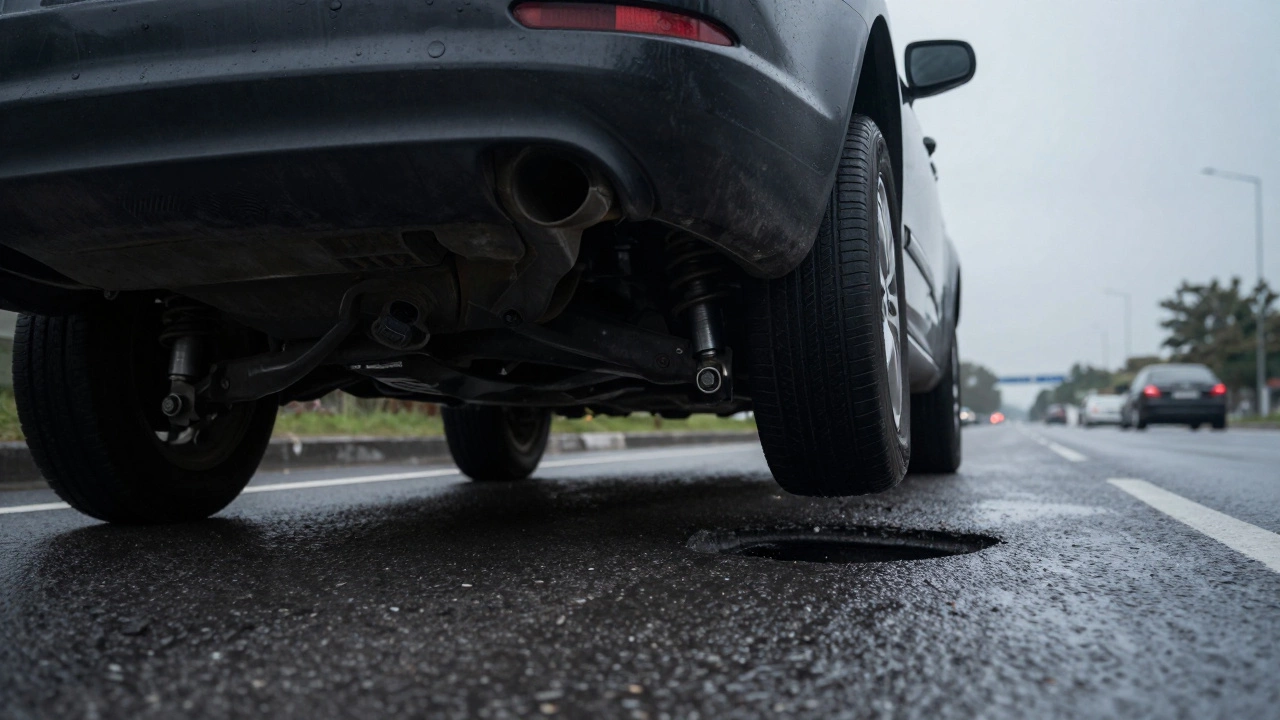
When your car bounces like a pogo stick over bumps, it’s not just annoying—it’s a sign your shock absorbers, critical suspension components that control spring movement and keep tires planted on the road. Also known as car shocks, they’re not just there for comfort—they’re safety gear. A worn shock absorber doesn’t just make your ride rough. It increases stopping distance, causes uneven tire wear, and can turn a simple corner into a dangerous swing. If you’ve noticed your car dipping when braking or swaying on highways, it’s not "just old"—it’s failing.
Shock absorber cost in the UK typically ranges from £80 to £250 per unit, depending on brand, vehicle model, and whether you go with OEM or performance parts. Labour adds another £100 to £200 if you’re getting them installed. But here’s the catch: you don’t always need to replace all four at once. If one side is leaking oil or making clunking noises while the other looks fine, you can replace just the damaged pair. That said, most mechanics recommend replacing them in pairs to keep handling balanced. Don’t fall for the myth that expensive shocks always mean better performance—some budget brands like Monroe or Sachs offer solid reliability without the premium price tag. What matters more is matching the original specs your car was built with.
Related parts like struts, a combined shock and spring assembly found on many modern cars. Also known as front suspension struts, they’re more complex and cost more to replace—often £300 to £500 per corner. Struts aren’t interchangeable with regular shocks, so don’t assume they’re the same thing. And if you’re driving on rough UK roads with potholes and gravel, your shocks wear out faster than average. A typical lifespan is 50,000 to 80,000 miles, but heavy use or poor road conditions can cut that in half.
Signs you need new shocks? Look for oil leaks on the shock body, excessive bouncing after hitting a bump, or tires showing cupping (uneven patches of wear). You can even do a quick bounce test: push down hard on one corner of the car. If it bounces more than once or twice, your shocks are worn. Ignoring this isn’t just about comfort—it’s about control. Wet roads, emergency swerves, and even high-speed braking all suffer when shocks fail. And yes, a bad suspension can lead to more expensive repairs down the line, like damaged tires or steering components.
Before you buy, check your car’s make and model. Italian cars like Alfa Romeos, Fiats, and Maseratis often use unique suspension setups. Generic parts might fit, but they won’t handle the way the manufacturer intended. That’s why specialists stock parts designed specifically for these models—because a shock isn’t just a shock. It’s part of a system tuned for balance, handling, and safety. You wouldn’t put the wrong tires on your car, so why cut corners on the suspension?
Below, you’ll find real-world guides on how to spot failing shocks, what replacement parts actually deliver, and how to avoid being upsold on unnecessary upgrades. Whether you’re fixing a worn-out Giulietta or upgrading your Maserati’s ride, the info here cuts through the noise and gives you what matters: clear, honest advice on keeping your Italian car safe, smooth, and in control.