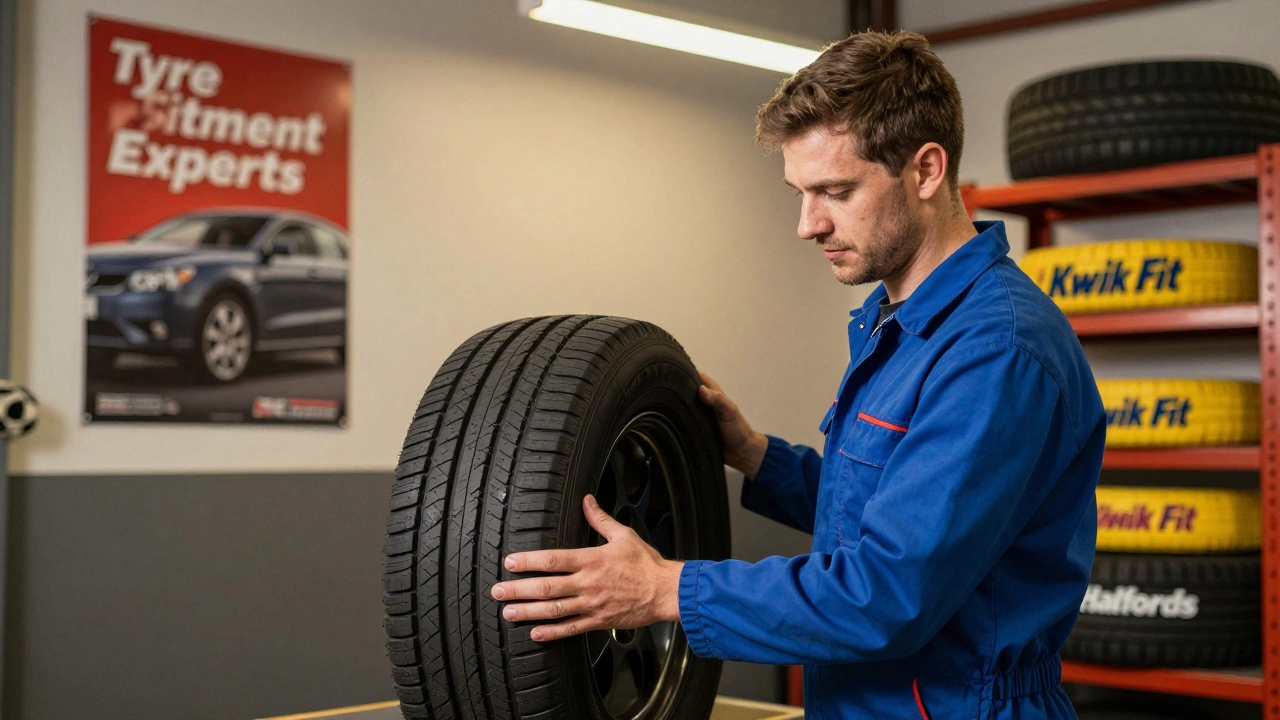
When you hear tire, a rubber ring fitted around a wheel to provide traction and cushioning. Also known as tyre, it is the only part of your car that touches the road—making it one of the most critical components for safety, fuel efficiency, and handling. In the US, people say tire. In the UK, they say tyre. It’s not a mistake. It’s just British spelling. But if you’re shopping for parts online or reading a manual from Italy or the US, mixing up the terms can lead to confusion—or worse, buying the wrong part.
This isn’t just about spelling. If you’re driving a Fiat, Alfa Romeo, or Maserati in the UK, you need to know what your tyre pressure, the amount of air inside the tyre measured in PSI or bar should be. Too low, and you wear out the edges. Too high, and the center wears fast. And if you’re replacing them, tyre size, the numbers on the sidewall like 205/55 R16 that tell you width, profile, and rim diameter matters just as much as the brand. Get it wrong, and your speedometer lies, your suspension takes a beating, and your insurance might not cover you after an accident.
You’ll find plenty of posts here about what happens when tyres wear unevenly, how cold weather affects grip, and why winter tyres aren’t just a luxury in the UK. We’ve got guides on replacing wiper blades, fixing suspension issues, and even how to tell if your wheels need balancing—all connected to the one thing holding your car to the road. Whether you’re checking your tire tread depth after a rainy commute or wondering why your Italian car’s manual uses a different term, this collection gives you real, no-fluff answers based on what UK drivers actually deal with.
Don’t let a spelling difference fool you. The same rules apply whether you call it a tire or a tyre. What matters is that you know what to look for, when to replace it, and how to keep it safe. Below, you’ll find practical advice from people who’ve been there—no theory, just what works on British roads with Italian cars.