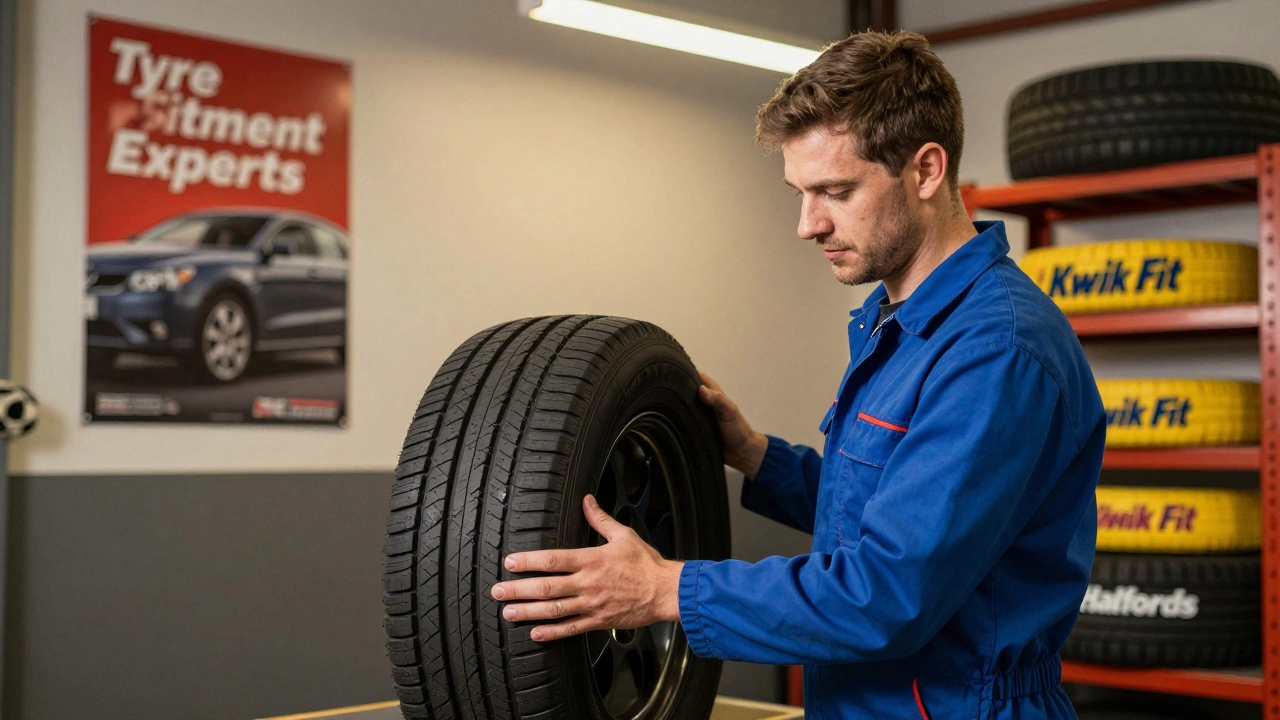
When you hear tyres, the British spelling for the rubber rings that wrap around your car wheels. Also known as tires, it’s the exact same part whether you’re in London or Los Angeles. The only difference is spelling—and if you’re shopping for parts in the UK, that matters a lot. If you search for "tires" on Italian Auto Parts Hub, you won’t find anything. But type in "tyres," and suddenly you’ve got access to everything from performance Michelins for your Alfa Romeo to all-season Goodyears for your Fiat 500. This isn’t just about language—it’s about getting the right part without wasting time or money.
Most people don’t realize that British car terminology, the way car parts are named in the UK. Also known as UK automotive vocabulary, it affects everything from windscreen wipers to brake pads. You’ll see "windscreen" instead of "windshield," "boot" instead of "trunk," and yes—"tyres" instead of "tires." If you’re ordering parts online from a UK supplier like us, using the wrong term means you’ll either get nothing or end up with the wrong item. That’s why we list everything as "tyres" here. Even if you’re used to saying "tires," your car doesn’t care—it only cares that the part fits. And fitting the right tyre means better grip, longer life, and safer handling, especially on UK roads that see rain, ice, and potholes all year round.
It’s not just about spelling. The kind of tyre you pick affects how your Italian car drives. A Maserati GranTurismo needs a different tread pattern than a Fiat Panda. Performance tyres give you sharper cornering but wear faster. All-season tyres handle rain and light snow but won’t give you the grip of a summer tyre on a twisty B-road. And if you’ve ever driven with worn tyres, you know how scary it feels when the car slides on wet pavement. That’s why we’ve got posts here on everything from silicone wiper blades, a durable alternative to traditional rubber blades. Also known as silicone windscreen wipers, they help you see clearly even when the road’s wet. and bad suspension, how worn shocks and struts make tyres wear unevenly. Also known as worn suspension components, they’re one of the top reasons tyres fail early. Your tyres don’t work alone—they’re part of a system. If your suspension is failing, your tyres will wear on the inside or outside edges. If your alignment’s off, they’ll wear down faster on one side. And if you’re using the wrong size, your speedometer won’t even read right.
So whether you’re replacing tyres after a long winter or upgrading for better handling on your weekend drive, knowing the right term is the first step. You don’t need to memorize every British car word—but you do need to know that here, it’s tyres, not tires. And once you’ve got the right word, you’ve got access to real advice, real parts, and real performance. Below, you’ll find clear, no-fluff guides on what tyres actually do, how to tell when they’re done, and which ones work best for your Italian car’s needs—no guesswork, no confusion, just what works.