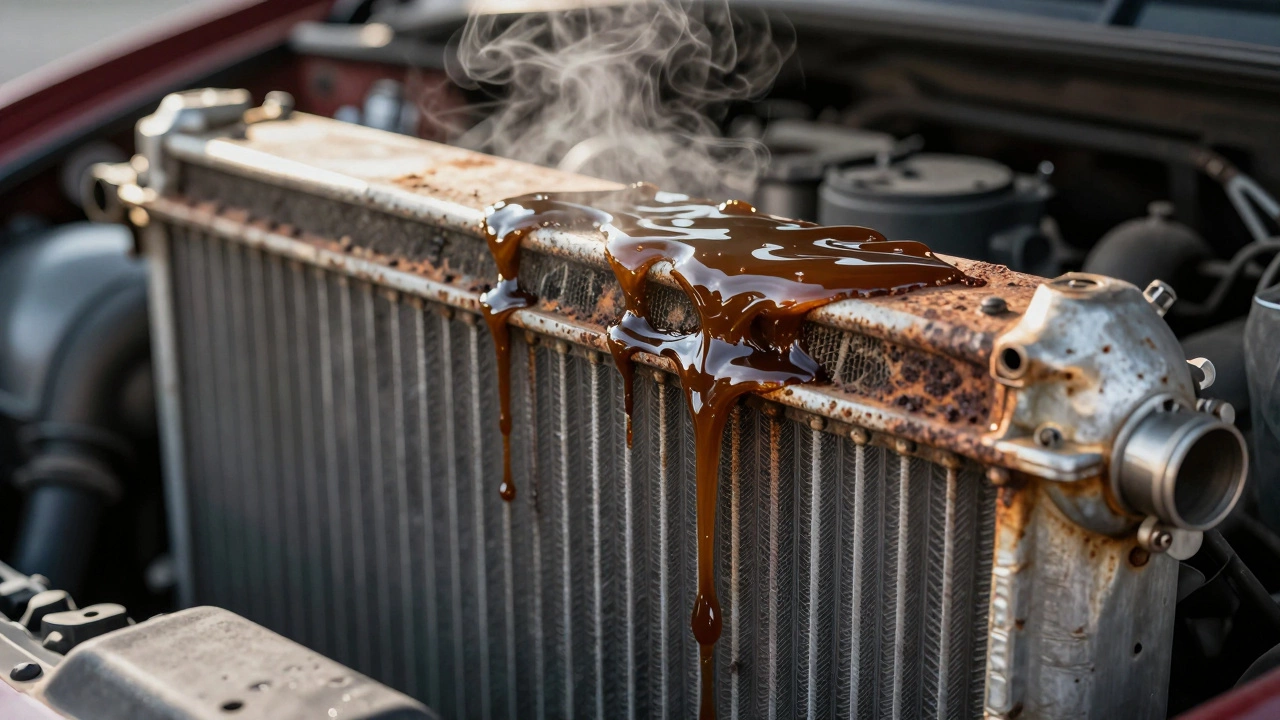
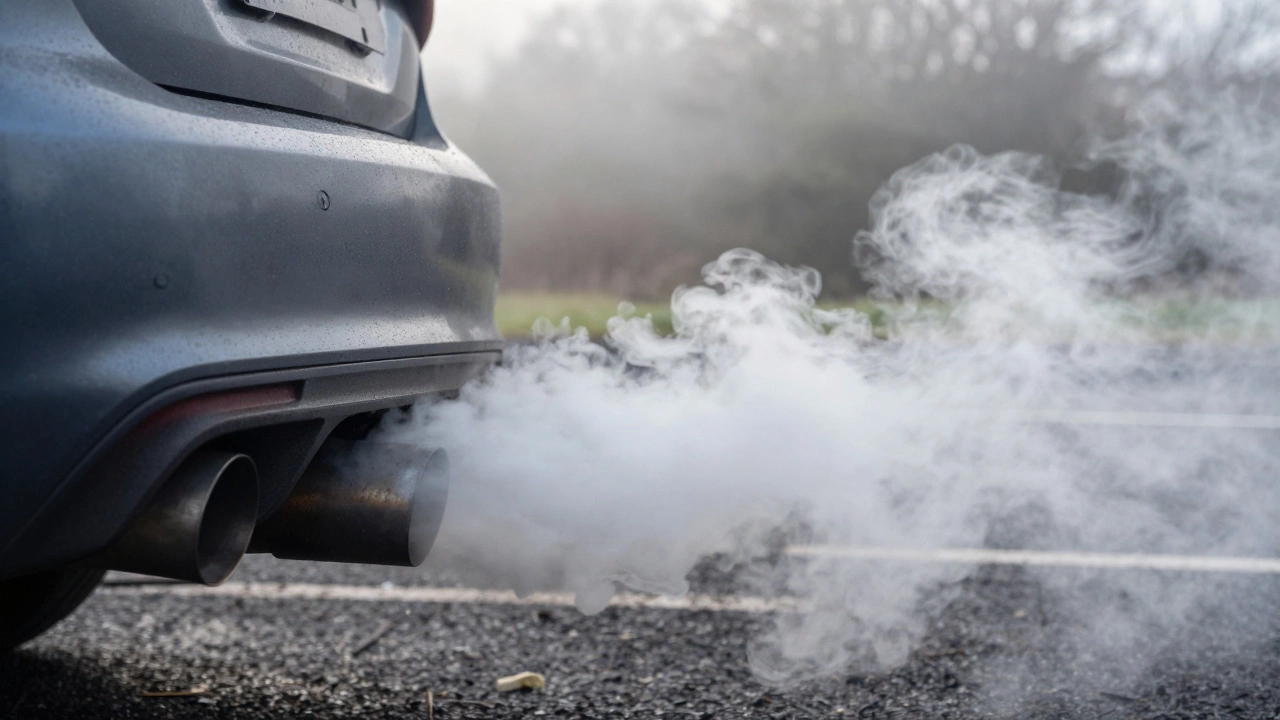
When your engine overheating, a dangerous rise in engine temperature that can lead to permanent damage if ignored. Also known as thermal runaway, it’s not just a warning light—it’s a cry for help. Most drivers wait until steam comes out before acting. By then, it’s often too late. Engine overheating doesn’t happen out of nowhere. It’s the result of a cooling system that’s failing, clogged, leaking, or simply neglected.
The car radiator, the main component responsible for pulling heat out of engine coolant is usually the first to show trouble. A cracked tank, a clogged core, or a worn cap can turn a small issue into a total breakdown. And if your coolant system, the network of hoses, water pump, thermostat, and fluid that circulates to keep the engine cool is low on fluid or full of rust, it won’t matter how good your radiator is. These parts work together. One fails, the whole system suffers.
You’ll know something’s wrong before the temperature gauge hits red. Listen for a hissing sound under the hood. Smell sweet, syrupy fluid—that’s antifreeze leaking. Notice your car losing power on the highway, or the heater blowing cold air when it should be hot. These aren’t random glitches. They’re classic signs your cooling system is breaking down. And if you’ve ever had to top off coolant every few weeks, you’re already on borrowed time.
Some people think upgrading the radiator fixes everything. But if your thermostat is stuck shut or your water pump is failing, a new radiator won’t help. You need to diagnose the root cause. That’s why the posts below cover everything from how often radiators actually need replacing to what happens when you drive with a bad cooling system. You’ll find real advice on spotting early leaks, checking coolant levels without guessing, and knowing when a simple refill is enough versus when you need a full system flush.
Engine overheating isn’t just about summer driving. It happens in winter too—especially if you’ve got old hoses, a faulty fan, or a blown head gasket. The good news? Most of these problems are preventable with basic checks. You don’t need a garage full of tools. Just a little knowledge and the willingness to look under the hood before it’s too late.
Below, you’ll find practical guides that cut through the noise. No fluff. No theory. Just what works: how to tell if your radiator’s done, why coolant turns rusty, what to do when your car overheats on the motorway, and how to avoid the costly mistakes most drivers make. These aren’t hypotheticals—they’re real fixes from people who’ve been there.